

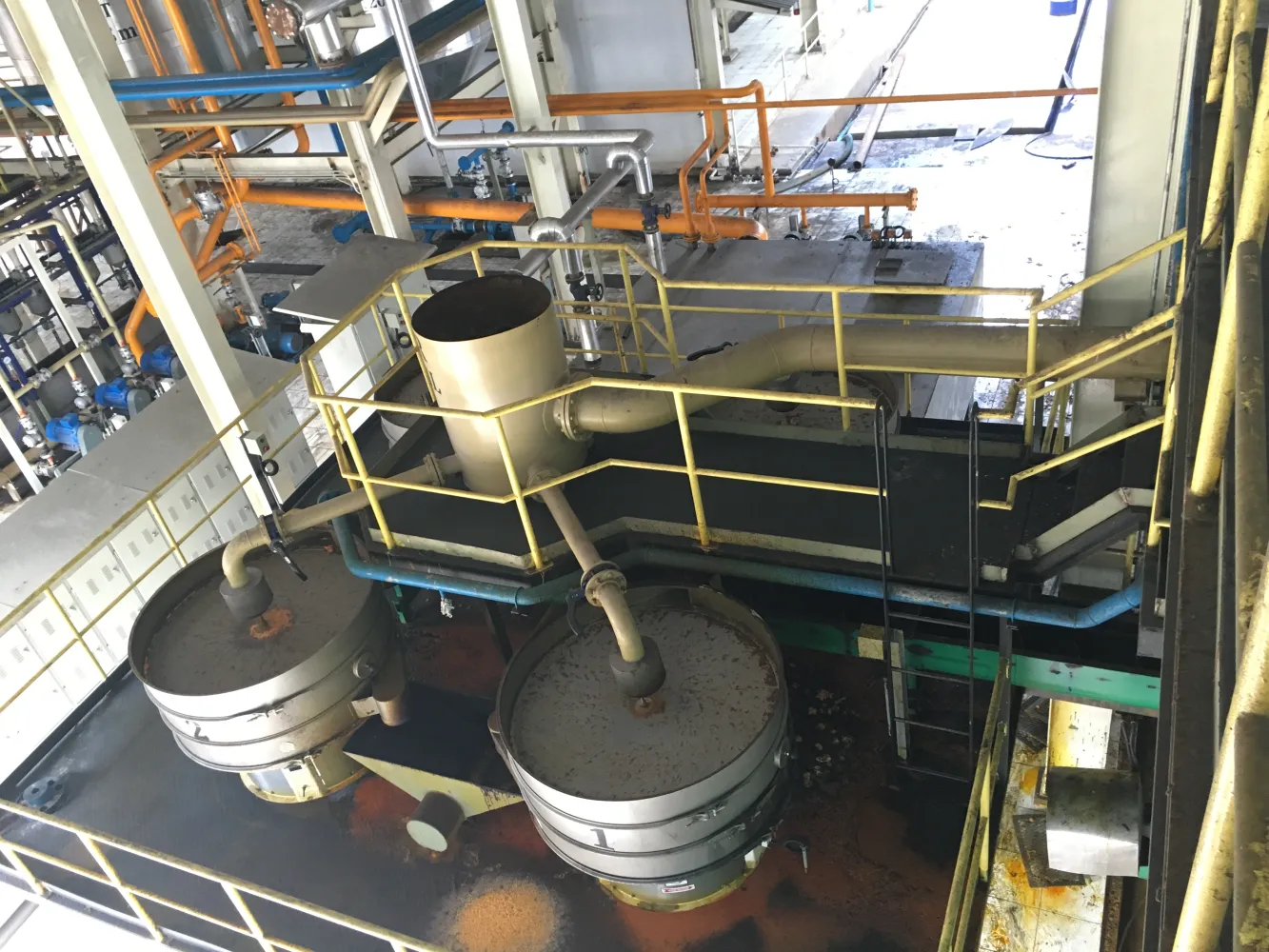
Sunflower seed oil manufacturing has become a cornerstone industry worldwide, driven by soaring demand for high-quality edible oils rich in essential nutrients. At the heart of this industry lies advanced machinery engineered to transform raw sunflower seeds into premium oils. This article explores the intricate design of sunflower seed oil manufacturing machines, emphasizing their core components, technical performance across different scales, and significant advantages in various processing methods.
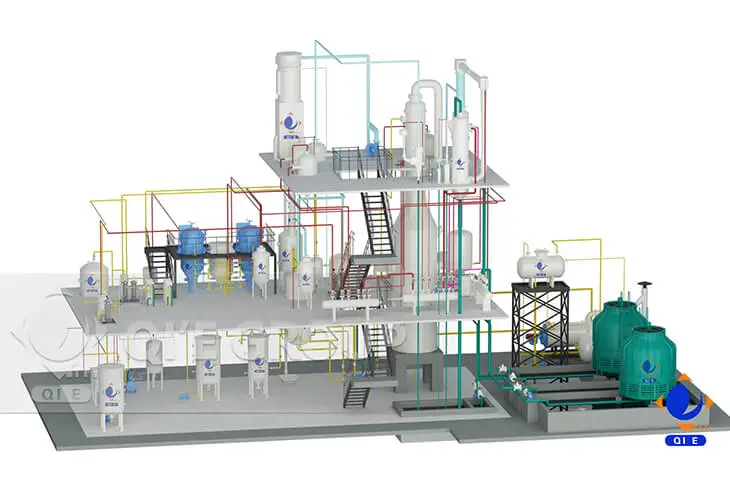
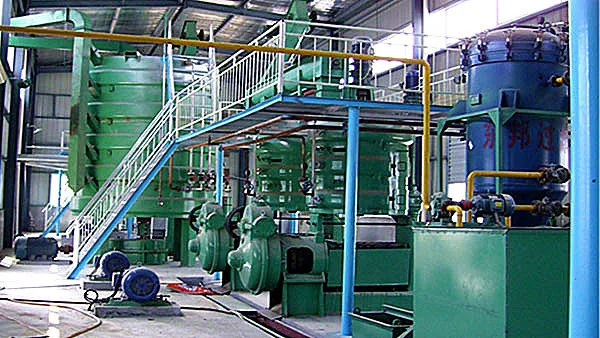
A comprehensive sunflower seed oil manufacturing machine integrates multiple essential modules that collectively ensure a seamless production flow. The key components include:
These components are configured in modular designs according to production scales and customer requirements, assuring reliable throughput and quality consistency.
Understanding the optimal machine capacity aligned with business needs is crucial. The market primarily segments machines into:
| Scale | Capacity (tons/day) | Scope & Suitability | Typical Performance Features |
|---|---|---|---|
| Small | 0.5 – 2 | Startups, artisanal producers, local markets | Compact footprint, manual or semi-automatic operation, energy-efficient |
| Medium | 2 – 10 | Regional processors, mid-sized brands | Automated controls, consistent oil yield (~40-45%), scalable output |
| Large | 10+ | Industrial-scale plants, export-oriented enterprises | High throughput, fully automated process, advanced filtration and refining, optimized energy consumption |
From raw sunflower seeds to bottle-ready oil, the process involves carefully synchronized steps that preserve oil quality and maximize production efficiency:
This modular and scalable workflow allows manufacturers to tailor production lines based on market demands and product positioning.
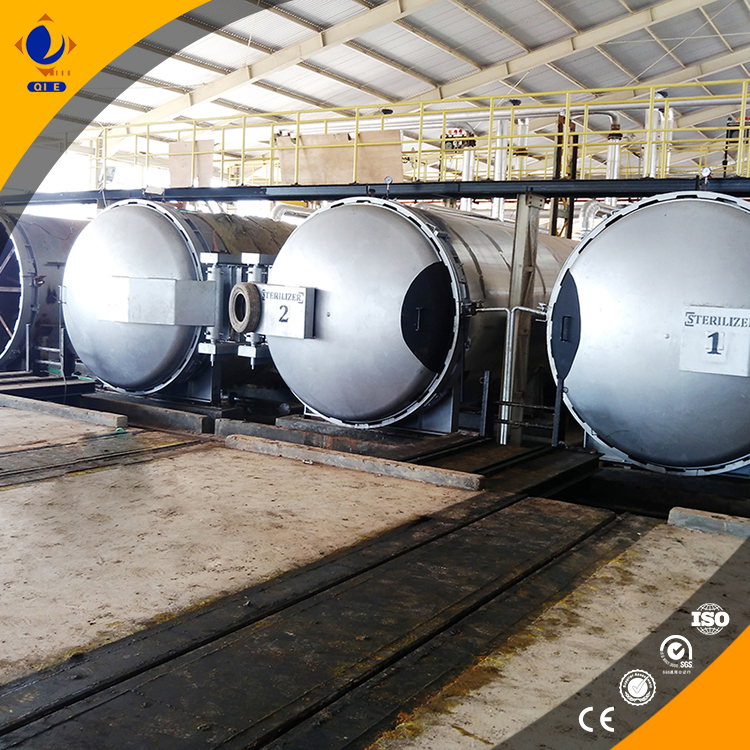
Selecting between cold pressing and hot pressing techniques profoundly influences oil quality and process efficiency:
| Aspect | Cold Pressing | Hot Pressing |
|---|---|---|
| Processing Temperature | Below 40°C | Above 80°C (often 90-120°C) |
| Oil Yield | ~35-40% | ~45-50% |
| Nutrient Retention | Higher retention of vitamins and antioxidants | Reduced nutrients due to heating |
| Flavor Profile | More natural and intense flavor | Milder taste preferred for mass markets |
| Operational Complexity | Simpler, eco-friendly, lower energy consumption | Requires more equipment and energy input |
Manufacturers targeting premium, health-conscious markets often favor cold pressing, while industrial-scale producers prioritizing volume and cost-effectiveness lean towards hot pressing. Modern sunflower seed oil manufacturing machines facilitate seamless switching or adjustments between these processes, offering versatile business models.
The global edible oil market is evolving rapidly, with increasing demand for oils that combine purity, nutritional value, and sustainability credentials. According to recent market research, sunflower seed oil demand is expected to grow at a CAGR of approximately 5.5% over the next five years, driven chiefly by health-conscious consumers seeking high-unsaturated-fat oils.
Key consumer expectations influencing machine design include:
Leading equipment manufacturers are investing heavily in R&D, integrating IoT-enabled sensors and automated controls to optimize oil yield and quality in real-time.
 extraction machinery" style="width:100%; margin: 25px 0; border-radius:8px; box-shadow:0 0 8px #DEE2E6;">
A mid-sized sunflower oil producer in Eastern Europe upgraded to a medium-capacity oil pressing line adopting both cold and hot pressing modules. This integration increased overall oil yield by 12% while preserving nutrient compositions essential to their premium brand positioning. The automated filtration system reduced processing time by 20%, enabling faster turnaround and cost savings.
Similarly, a boutique organic farm in South America utilizing a small-scale cold pressing unit achieved certification for their natural, additive-free sunflower oil. This differentiation allowed access to lucrative export markets with 15% higher price points, directly linked to the advanced machine capabilities.



 <#else>


