
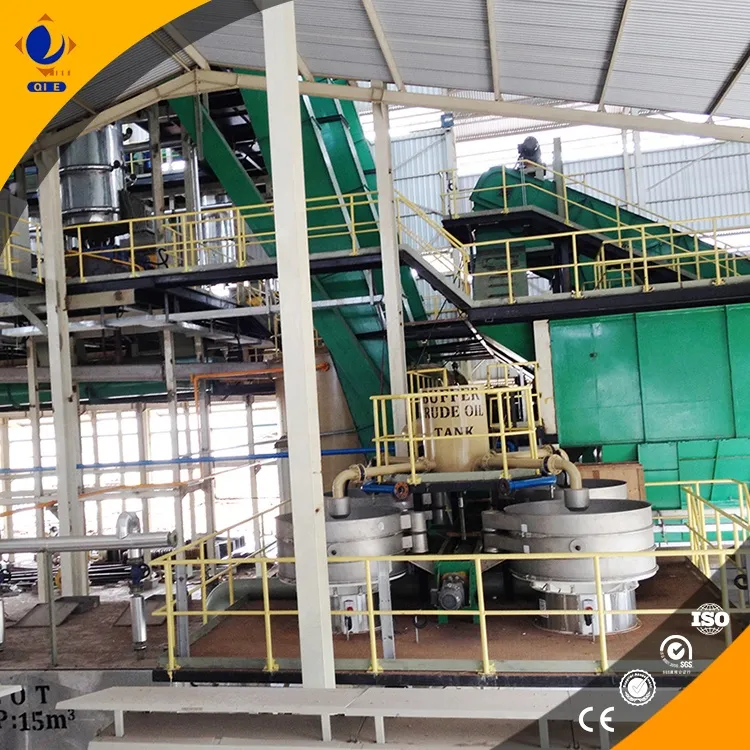
As global demand for healthy edible oils rises—driven by health-conscious consumers and food processors alike—the sunflower oil manufacturing sector is undergoing rapid transformation. According to the Food and Agriculture Organization (FAO), global sunflower oil production grew by 7.3% annually from 2019–2023, with efficiency gains in extraction technology playing a central role.
Modern sunflower oil presses now integrate smart automation, real-time temperature control, and optimized screw press designs that reduce energy consumption by up to 22% while increasing yield by 15–18%. For example, one Ukrainian refinery using a semi-automated hydraulic press reported a 24% drop in labor costs within six months of implementation.
The key lies in understanding how each component contributes:
Whether you're running a small-scale operation (5–10 kg/hour capacity) or a large industrial plant (>500 kg/hour), proper setup matters. A case study from a Turkish family-run mill shows that implementing a simple daily calibration routine improved consistency in oil clarity and reduced waste by 9%.
For larger facilities, integrating IoT sensors into your machinery allows predictive maintenance—cutting downtime by an average of 35% according to a 2023 report by Industrial Automation Journal.
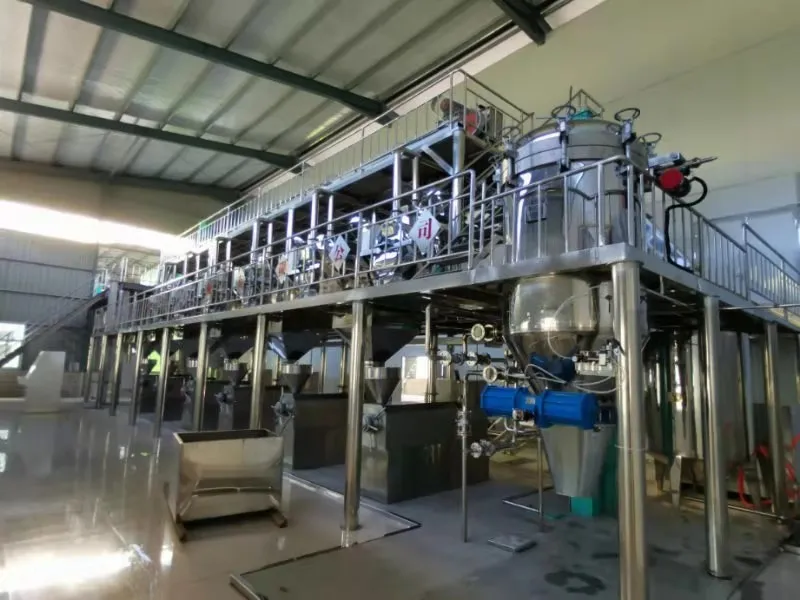
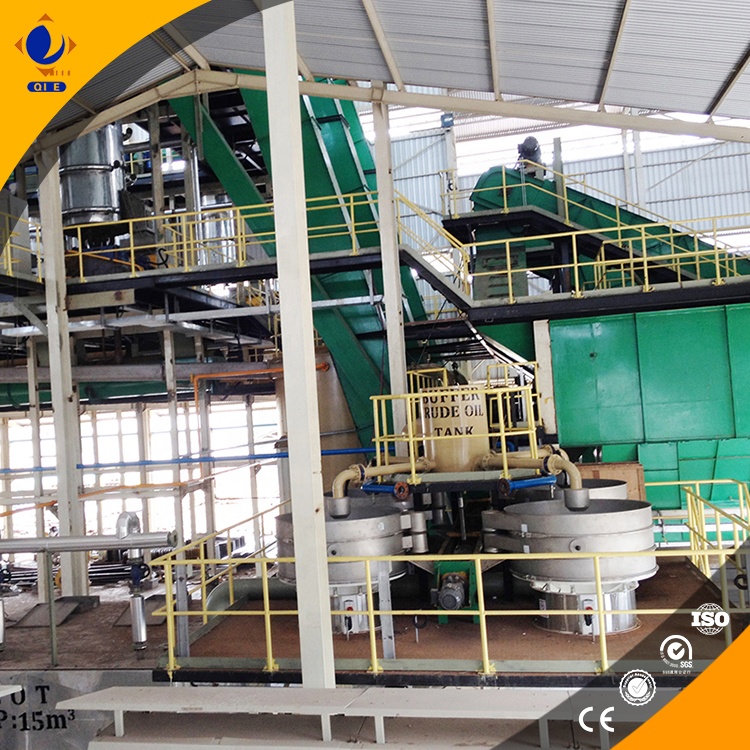 sunflower oil extraction process with key stages labeled: pre-treatment, pressing, filtration, storage." style="max-width: 100%; height: auto; border-radius: 8px; box-shadow: 0 4px 12px rgba(0,0,0,0.1);">
A Brazilian agro-processing company upgraded their manual oil press to a fully automated model and saw:
These outcomes aren’t just numbers—they translate into stronger margins, better customer retention, and faster ROI.
Want to see how these technologies can boost YOUR production? Our engineers have helped over 120 manufacturers optimize their workflows—from pilot lines to full-scale plants.

 <#else>


