In the global agricultural machinery market, soybean oil presses have emerged as indispensable equipment, especially for small and medium - scale farmers and primary processing plants. Their importance lies in the ability to transform raw soybeans into valuable edible oil, providing a reliable source of income and essential commodities.
The demand for soybean oil presses in the international market is on the rise. With the growth of the global population and the increasing demand for edible oils, small and medium - scale producers are looking for efficient and cost - effective oil extraction solutions. Soybean oil presses not only meet the local market demand but also have the potential for export, bringing economic benefits to producers.
For small farmers and primary processing plants, soybean oil presses offer a practical way to add value to their agricultural products. They can process soybeans on - site, reducing transportation costs and increasing the profit margin.
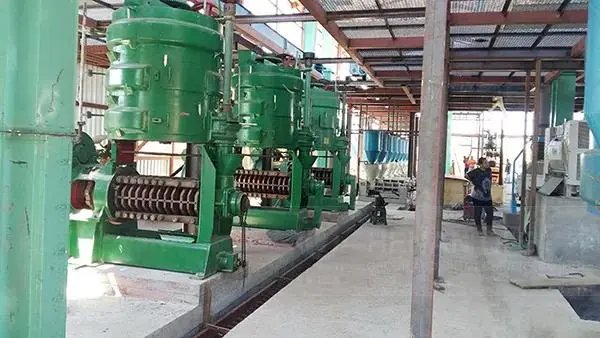
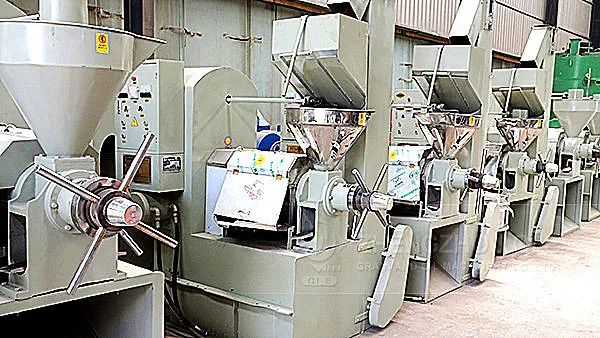
The screw oil press is known for its high - yield and stable performance. It can process a large amount of soybeans continuously, making it suitable for medium - to large - scale production. The screw press uses mechanical pressure to extract oil from soybeans, with an average oil output rate of about 38% - 42%. It has a relatively high production efficiency, capable of processing 500 - 2000 kilograms of soybeans per hour, depending on the model.
The hydraulic oil press excels in cold - pressing. Cold - pressing is a process that extracts oil at low temperatures, which helps to preserve the nutritional value and flavor of the oil. This makes it ideal for producing high - end, healthy oils. Although its production capacity is relatively lower than the screw press, usually processing 100 - 500 kilograms of soybeans per hour, it can achieve a high - quality oil product with a lower oxidation level.
The integrated filtering oil press combines the functions of oil extraction and filtering. It offers high automation, reducing the need for manual labor. The automatic filtering system can remove impurities from the oil, resulting in a cleaner and more refined product. This type of press is suitable for small - scale producers who want a simple and efficient solution.
| Model | Energy Consumption | Oil Output Rate | Quality of Bean Cake | Operation Difficulty |
|---|---|---|---|---|
| Screw Oil Press | Relatively high, about 10 - 20 kWh per ton of soybeans | 38% - 42% | Good, can be used as animal feed | Moderate, requires some technical training |
| Hydraulic Oil Press | Low, about 5 - 10 kWh per ton of soybeans | 35% - 38% | Excellent, high - protein content | Low, easy to operate |
| Integrated Filtering Oil Press | Moderate, about 8 - 15 kWh per ton of soybeans | 36% - 40% | Good, suitable for various uses | Low, highly automated |
To reduce the residual oil in bean cakes, proper pre - treatment of soybeans is crucial. This includes cleaning, roasting, and grinding. Additionally, adjusting the pressure and temperature during the pressing process can also help. For example, using a screw press with a higher pressure setting can reduce the residual oil to about 5% - 7%.
Pre - treatment is generally recommended. Cleaning the soybeans can remove impurities, while roasting can improve the oil output rate. For cold - pressing, pre - treatment should be carried out at a low temperature to preserve the nutritional value of the oil.
The maintenance cycle depends on the usage frequency and operating conditions. Generally, daily cleaning and lubrication are required. A comprehensive inspection and maintenance should be carried out every 3 - 6 months to ensure the normal operation of the machine.
Some overseas customers who made wrong selections of oil presses suffered from low production efficiency, high energy consumption, and poor - quality oil products. On the other hand, customers who made the right choices based on their production needs and market requirements achieved significant benefits. For example, a small - scale producer in South America chose an integrated filtering oil press, which not only improved the oil quality but also reduced the labor cost, increasing the overall profit margin.
Making the right choice of soybean oil press can help you avoid capacity waste and ensure that every investment is translated into higher output. If you want to learn more about soybean oil press selection and make a profitable decision for your business, click here to explore our professional solutions.



.jpg?x-oss-process=image/resize,h_1000,m_lfit/format,webp)