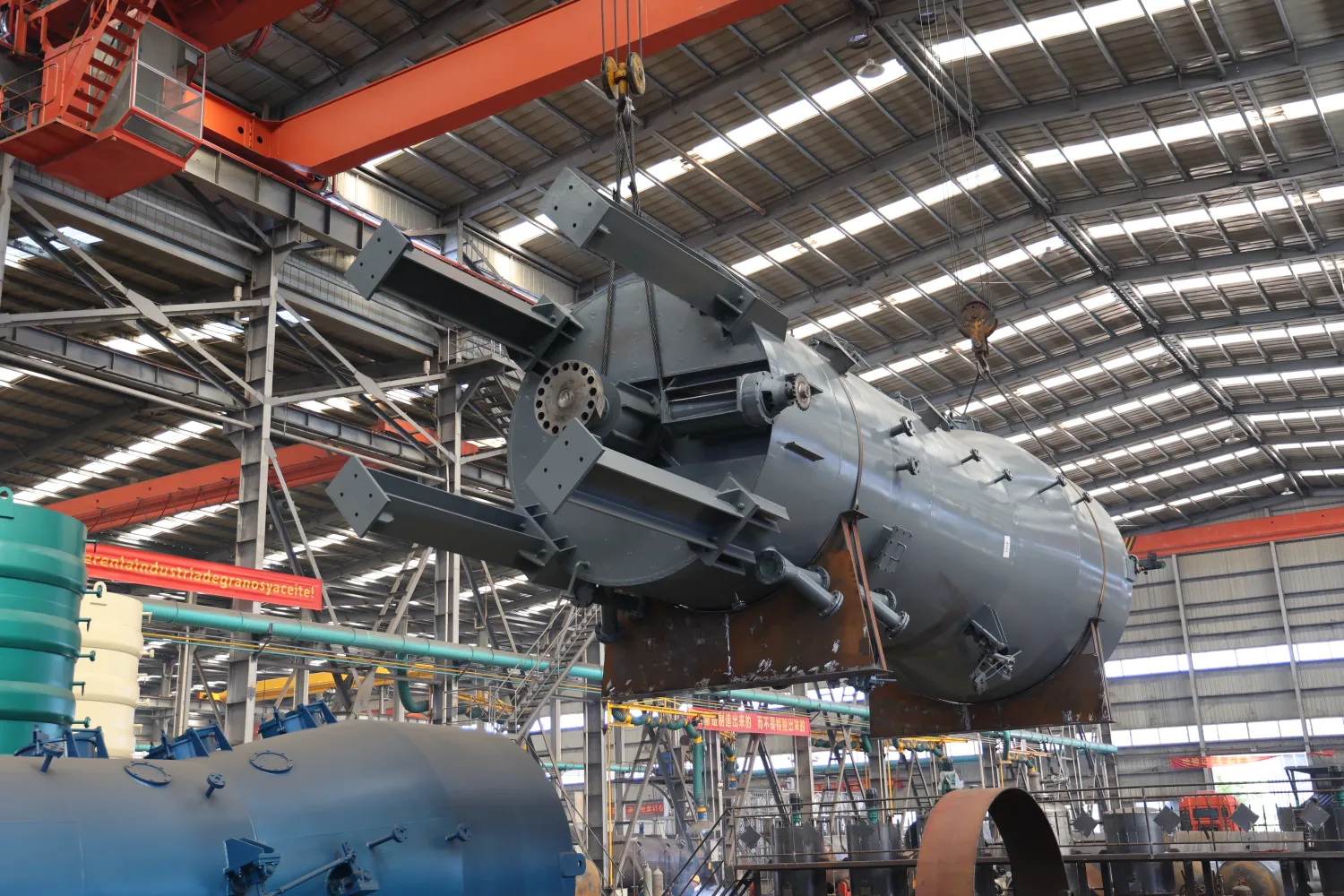
Europe’s organic food market is booming — projected to reach €40 billion by 2027 (source: European Commission), with organic oils leading the charge. But behind every bottle of certified cold-pressed soy oil lies a critical piece of machinery: the soybean oil press. In this article, we explore how modern oil presses are not just tools — they’re enablers of purity, compliance, and sustainability in organic production.
European buyers demand more than flavor — they expect traceability, safety, and transparency. According to EU Regulation (EC) No 834/2007, organic oils must be produced without synthetic additives or chemical solvents. That means even minor contamination from mechanical wear can lead to certification failure. A well-designed soybean oil press ensures that heat-sensitive nutrients like vitamin E and omega-3s remain intact — preserving both quality and value.
“In organic processing, precision isn’t optional — it’s your license to operate.”
— EU Organic Certification Body, 2023
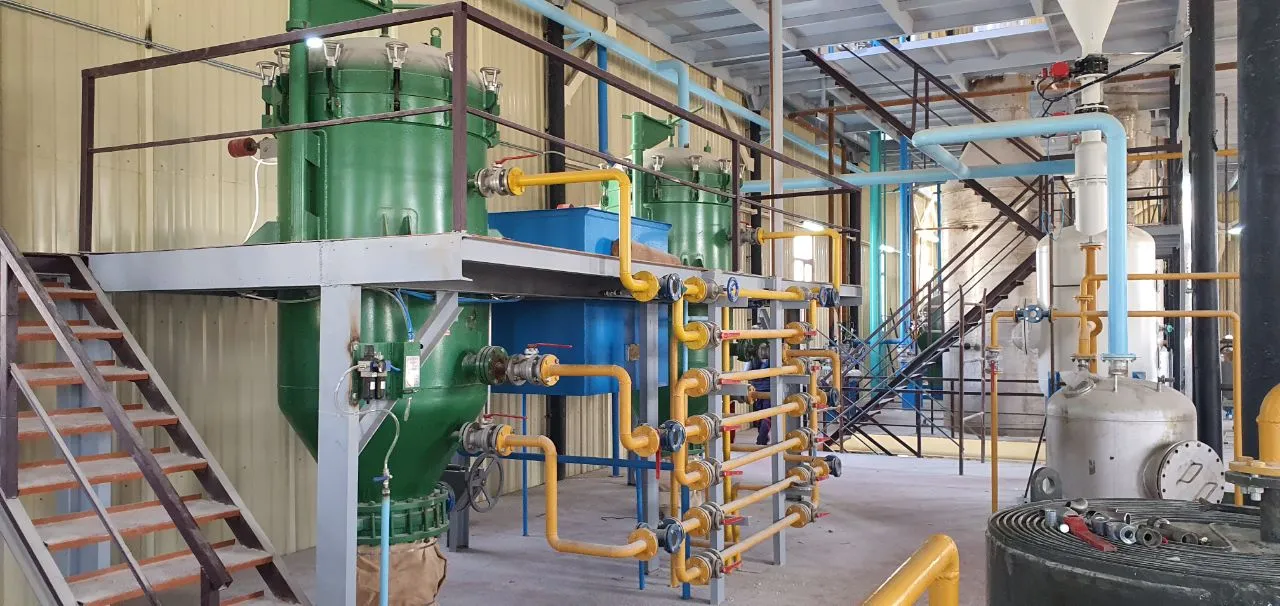
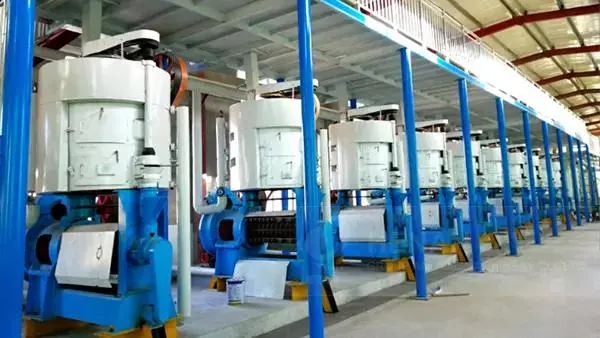
Let’s break down what happens inside an industrial-grade soybean oil press:
| Step | Key Function | Value Added |
|---|---|---|
| 1. Cleaning & Sorting | Removes dust, stones, and damaged beans | Prevents off-flavors and improves shelf life |
| 2. Cold Pressing | Uses low temperature (<40°C) to extract oil | Preserves antioxidants and natural aroma |
| 3. Filtration | Multi-stage filtration removes impurities | Meets ISO 22000 standards for food safety |
| 4. Byproduct Utilization | Converts soybean meal into high-protein feed | Boosts ROI through circular economy model |
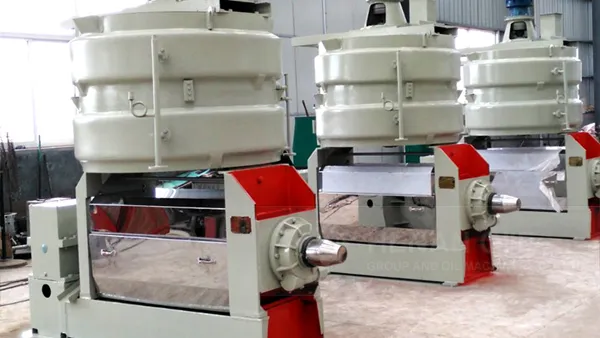
Not all presses are created equal. Here’s how three common types stack up:
A case study from a German family-owned mill shows that switching to a spiral press increased their organic certification approval rate from 78% to 96% within six months — largely due to reduced cross-contamination risks.

When you invest in a reliable press, you're not just upgrading equipment — you're building trust with consumers who care about where their food comes from. And as organic certifications become harder to maintain, having a machine that supports compliance becomes a competitive edge.
Let every drop of oil tell a story worth believing in.
Discover how our certified cold-press systems help European producers meet strict organic standards while boosting yield and brand equity.
Equip Your Facility with Trusted Tech →