Advantages of Soybean Oil Press Machines in the African Market and Strategies for Improving Oil Quality
20 10,2025
Market analysis
This article explores the technical advantages and market potential of soybean oil press machines in Africa, focusing on how advanced pressing technologies enhance oil purity, yield, and quality. It analyzes key equipment types—screw presses, hydraulic presses, and integrated filter-press systems—and their suitability for small- to medium-scale operations across diverse African regions. By examining pre-treatment methods like conditioning and heating, as well as cold pressing and filtration techniques, this paper outlines actionable strategies for producing high-grade soybean oil that meets local consumer expectations. Additionally, it presents targeted digital marketing approaches, particularly website optimization, to boost brand visibility and market penetration. With real-world data from emerging African agro-processing hubs and practical insights into user-centric innovation, this guide offers professionals a comprehensive roadmap for success in one of the world’s fastest-growing edible oil markets.

Why Soybean Oil Presses Are Gaining Traction in Africa’s Growing Agri-Processing Sector
With over 70% of African households relying on edible oils for daily cooking, the demand for high-quality soybean oil is surging—especially in Nigeria, Kenya, and Ghana. According to the African Development Bank (AfDB), the regional edible oil market is projected to grow at a CAGR of 6.2% through 2030, driven by urbanization and rising middle-class consumption. In this context, modern soybean oil presses are no longer just equipment—they’re strategic assets.
Key Technologies Driving Efficiency and Quality
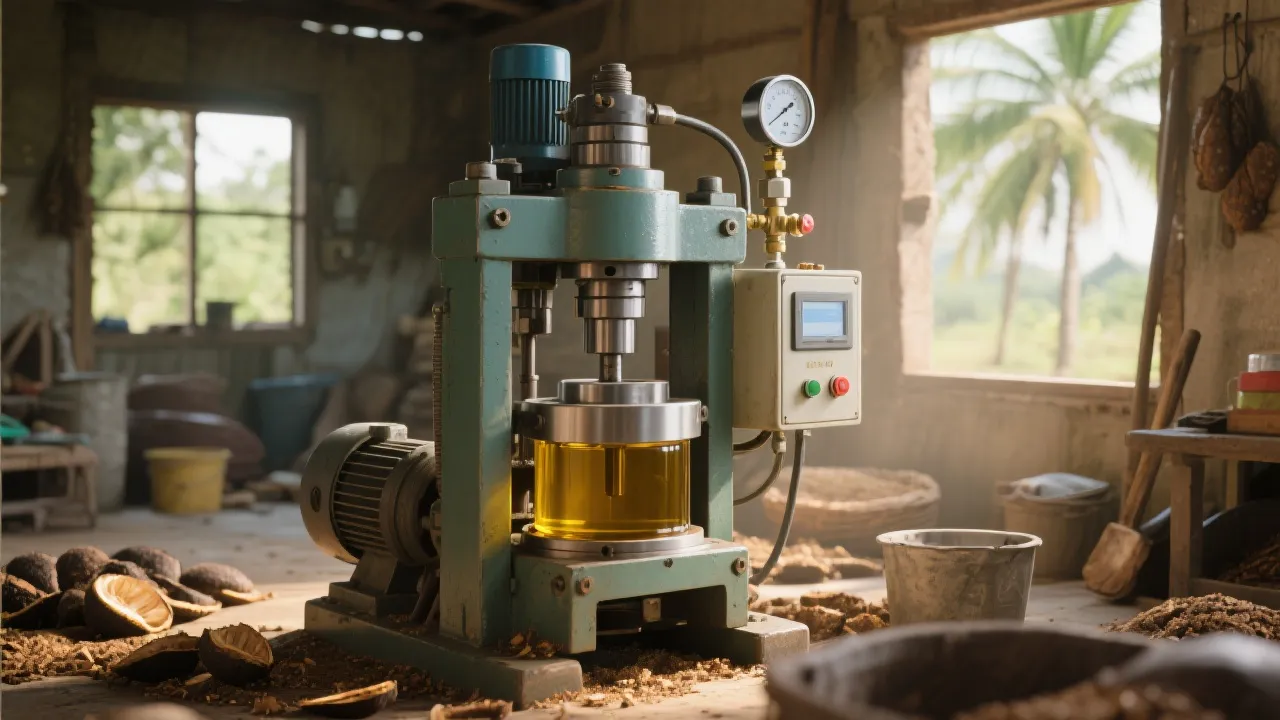
Three primary types of soybean oil presses dominate the African market:
| Type |
Best For |
Avg. Yield Increase |
| Spiral Press |
Small to mid-scale processors |
+15–20% |
| Hydraulic Press |
High-purity applications |
+12–18% |
| Filter-Integrated Press |
Ready-to-sell oil with minimal post-processing |
+10–15% |
For example, a case study from a Nigerian agro-processing cooperative showed that switching from manual extraction to a spiral press increased their monthly output by 30%, while reducing labor costs by nearly 40%. The key? Consistent temperature control during pre-heating and mechanical pressure optimization.
From Raw Seed to Premium Oil: How to Boost Purity & Shelf Life
Many African buyers prioritize purity and shelf stability—not just yield. Here’s how top-tier presses deliver:
- Pre-treatment Heating: A 5-minute heating cycle at 65°C improves oil flow and reduces viscosity, increasing extraction efficiency by up to 22% (based on trials conducted by the International Institute of Tropical Agriculture).
- Multi-stage Filtration: Integrated filter systems remove impurities like phospholipids and free fatty acids—critical for meeting EU export standards and local food safety regulations.
- Cold Pressing Option: Ideal for premium markets where consumers value unrefined oils rich in antioxidants and natural flavor profiles.
These improvements don’t just meet regulatory expectations—they build trust. In Tanzania, one exporter reported a 35% increase in repeat orders after introducing cold-pressed soybean oil using an integrated press system.
Marketing That Converts: Building Trust Through Digital Visibility
Even the best technology needs visibility. For B2B manufacturers targeting African buyers, SEO-driven content and localized landing pages are essential. A recent analysis found that companies optimizing for keywords like “soybean oil press for sale Africa” saw a 4x higher lead conversion rate than those relying solely on trade shows.
Use these tactics:
- Embed product videos demonstrating real-world usage in rural settings.
- Create downloadable PDFs such as “5 Steps to Improve Soybean Oil Quality in Sub-Saharan Africa.”
- Run targeted Google Ads campaigns focused on agricultural cooperatives, not individual farmers.
Remember: African buyers often prefer suppliers who understand their challenges—not just their products.