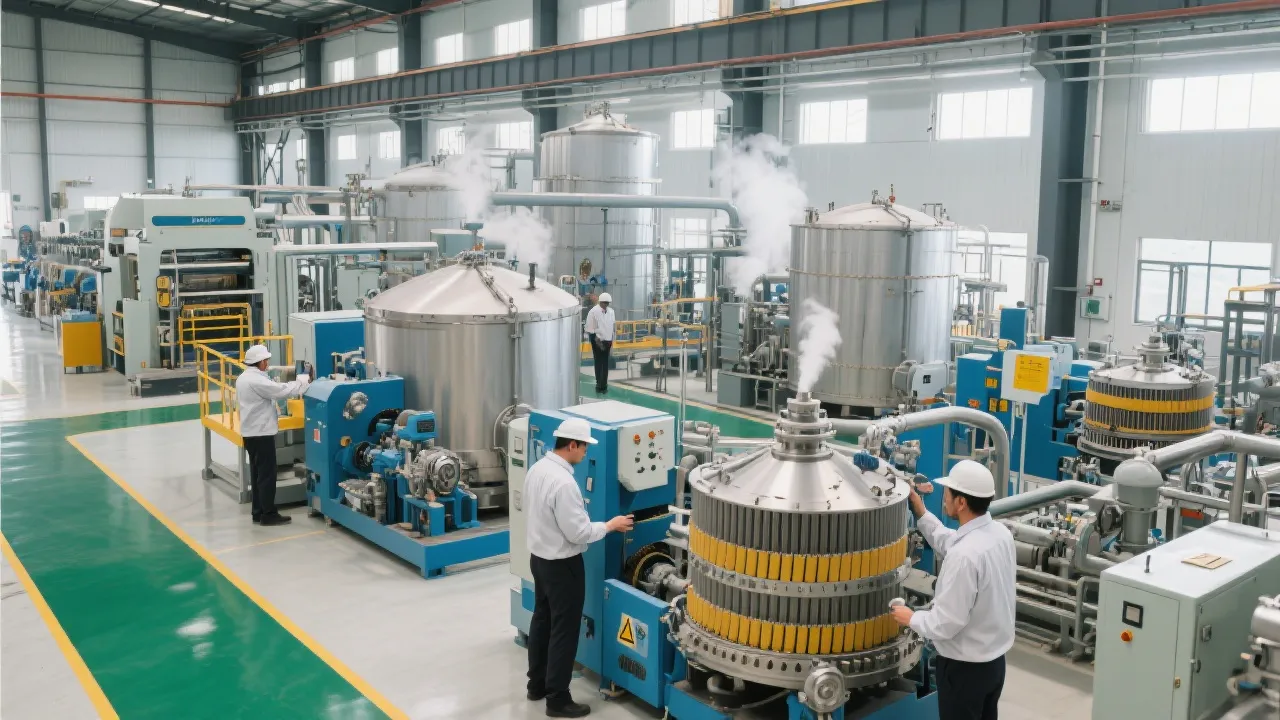
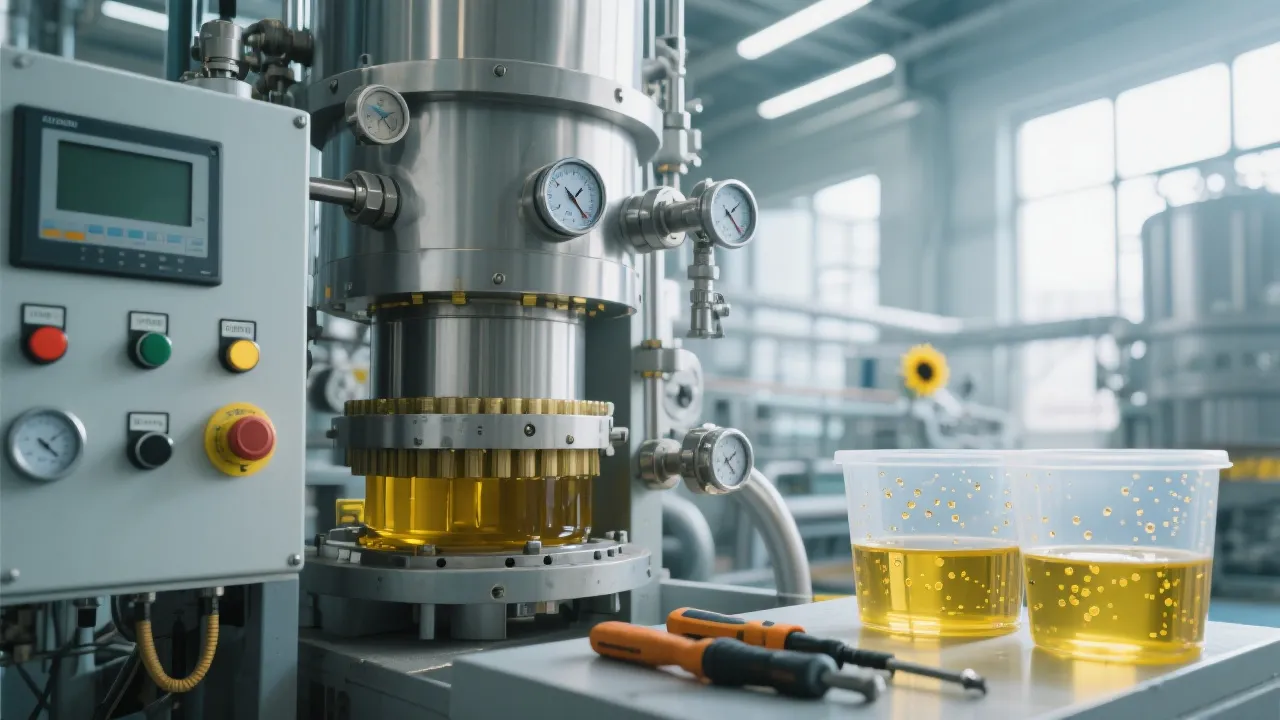
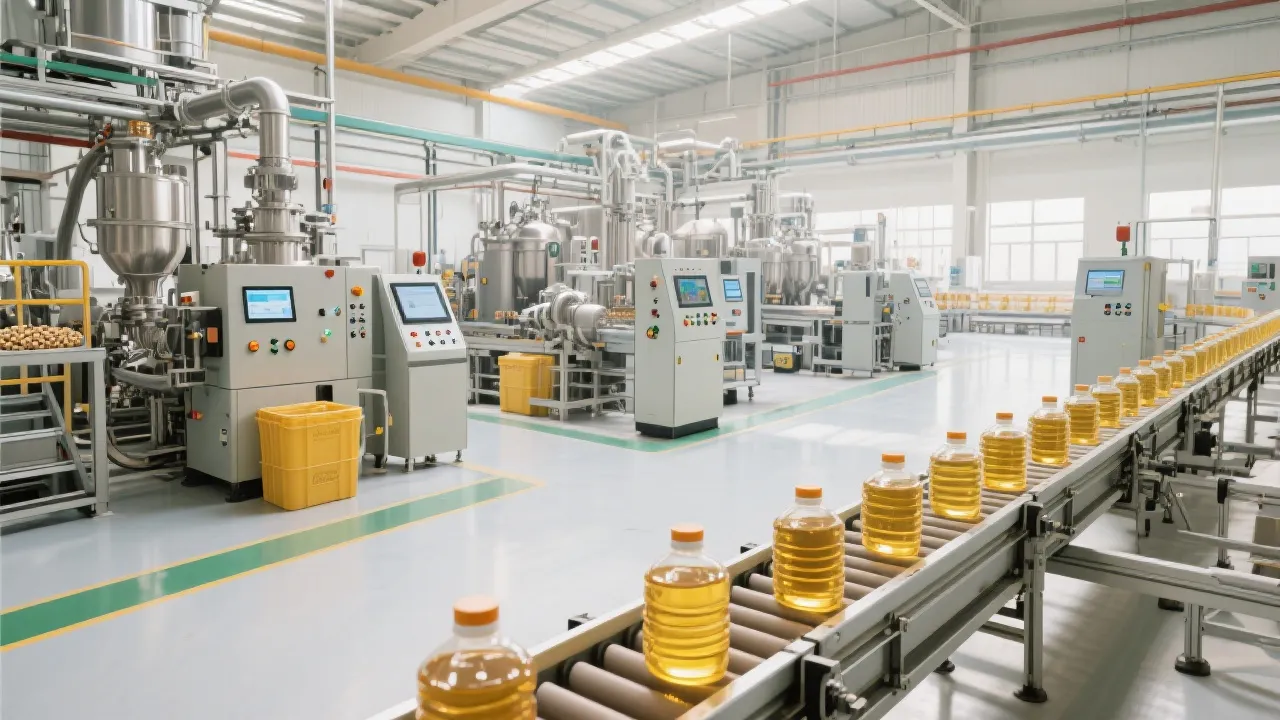
As global demand for premium-quality plant-based oils continues its steady rise, soybean oil production has undergone significant transformation. Modern soybean oil mills face mounting pressure to increase extraction yield, lower operational energy consumption, and meet stringent international food safety and environmental standards. The evolution towards high-efficiency soybean oil pressing equipment, equipped with intelligent, energy-saving, and modular technologies, marks a vital shift enabling producers worldwide to stay competitive and sustainable.
The hallmark of advanced soybean oil pressing machinery lies in several key innovations that amplify both performance and adaptability in diverse overseas environments:
Adapting these technologies across various international contexts reveals a pattern of impressive performance improvements and sustainability gains.
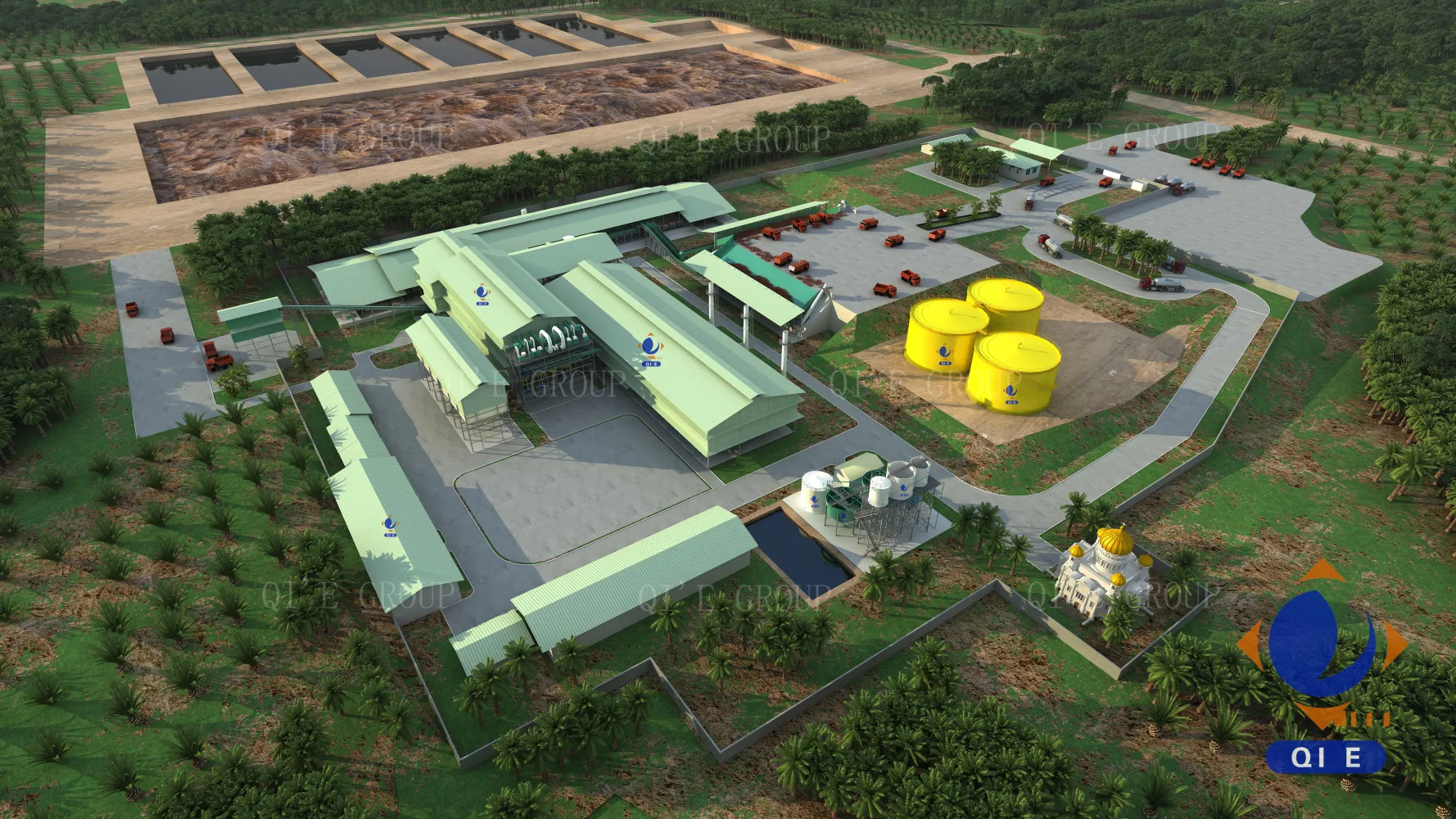
Case Study A: Southeast Asia – Smallholder Oil Mill Retrofit
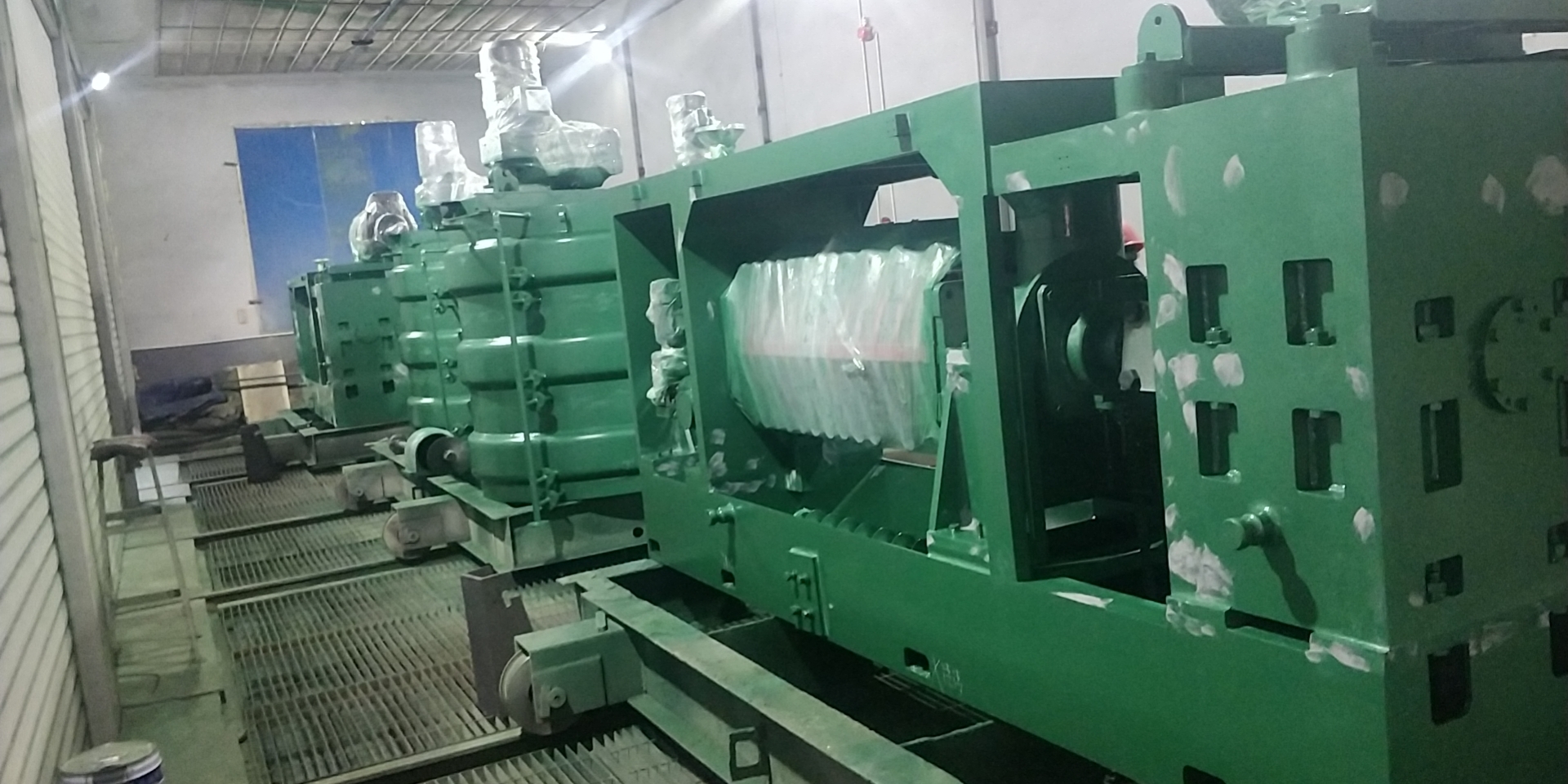
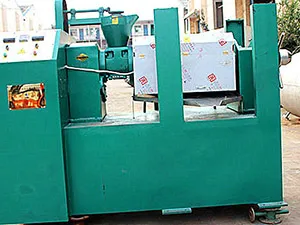
In a pilot project involving numerous small-scale soybean oil producers, an upgrade to intelligent pressing units delivered an oil yield increase from 18% to 20%. The machines accommodated local low-moisture soybeans through adjustable pressing pressures and variable temperature controls. Additionally, the energy-saving design reduced power costs by almost 30%, making the operation economically viable despite limited infrastructure.
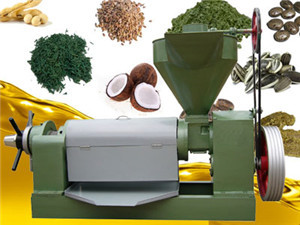 High-efficiency soybean oil press adapting to Southeast Asian smallholder conditions" style="width: 100%; margin: 20px 0; border-radius: 6px; box-shadow: 0 1px 5px rgba(0,0,0,0.1);">
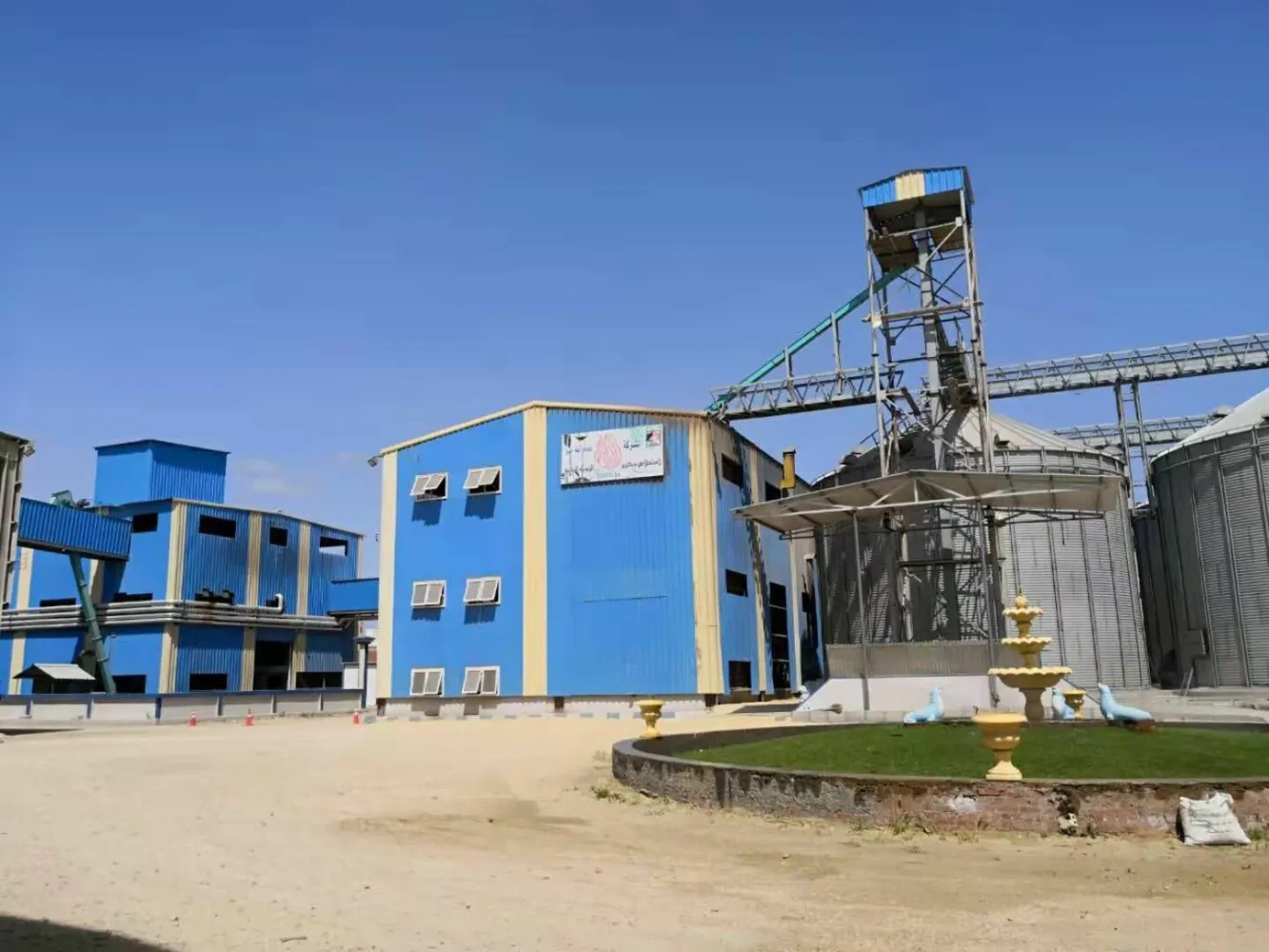
Case Study B: Middle East – Industrial-Scale Oil Plant Deployment
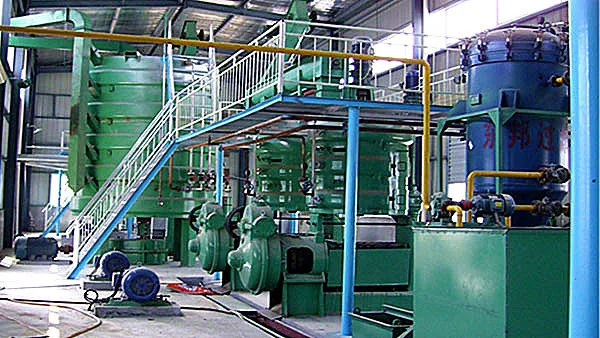
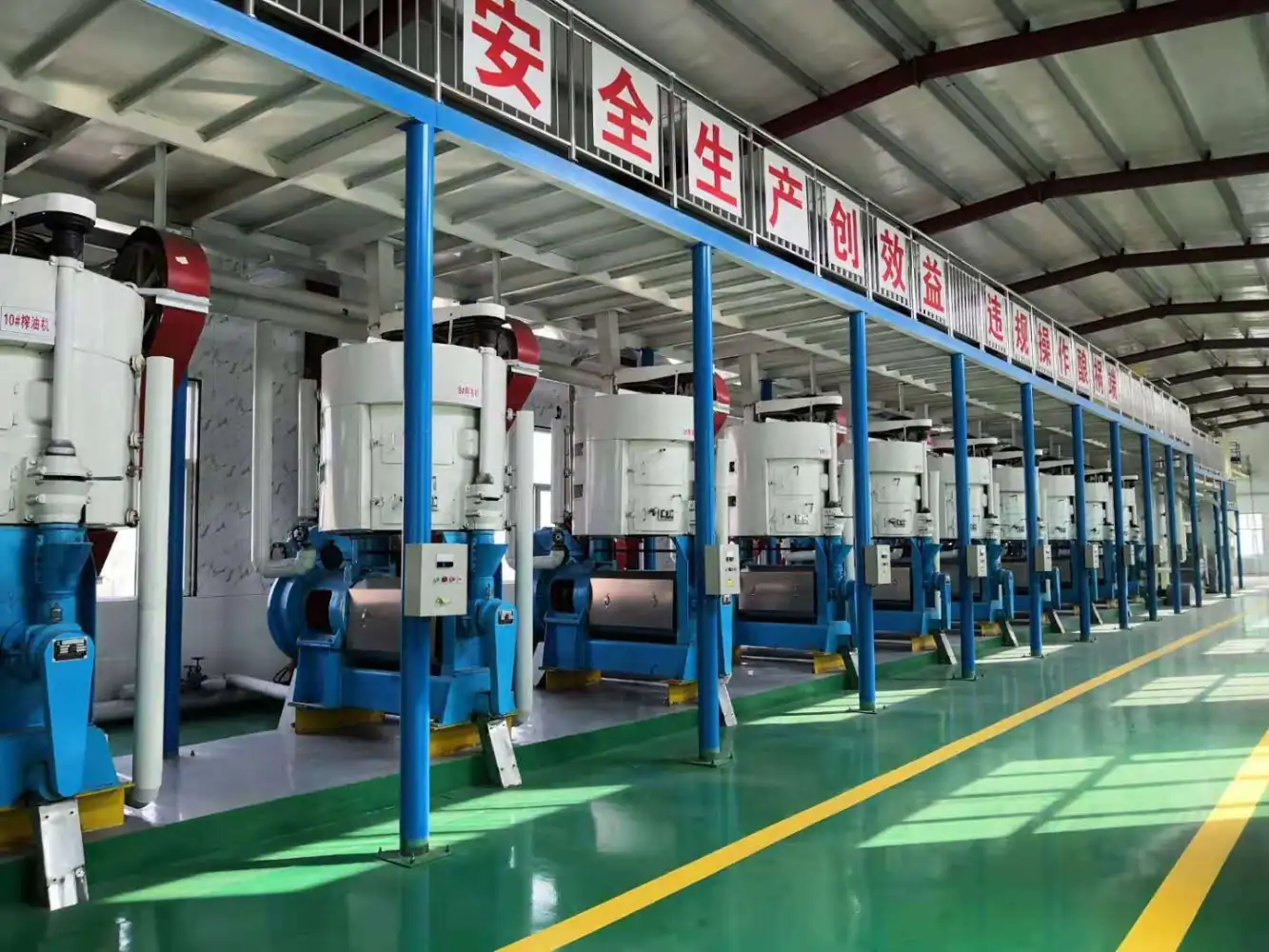
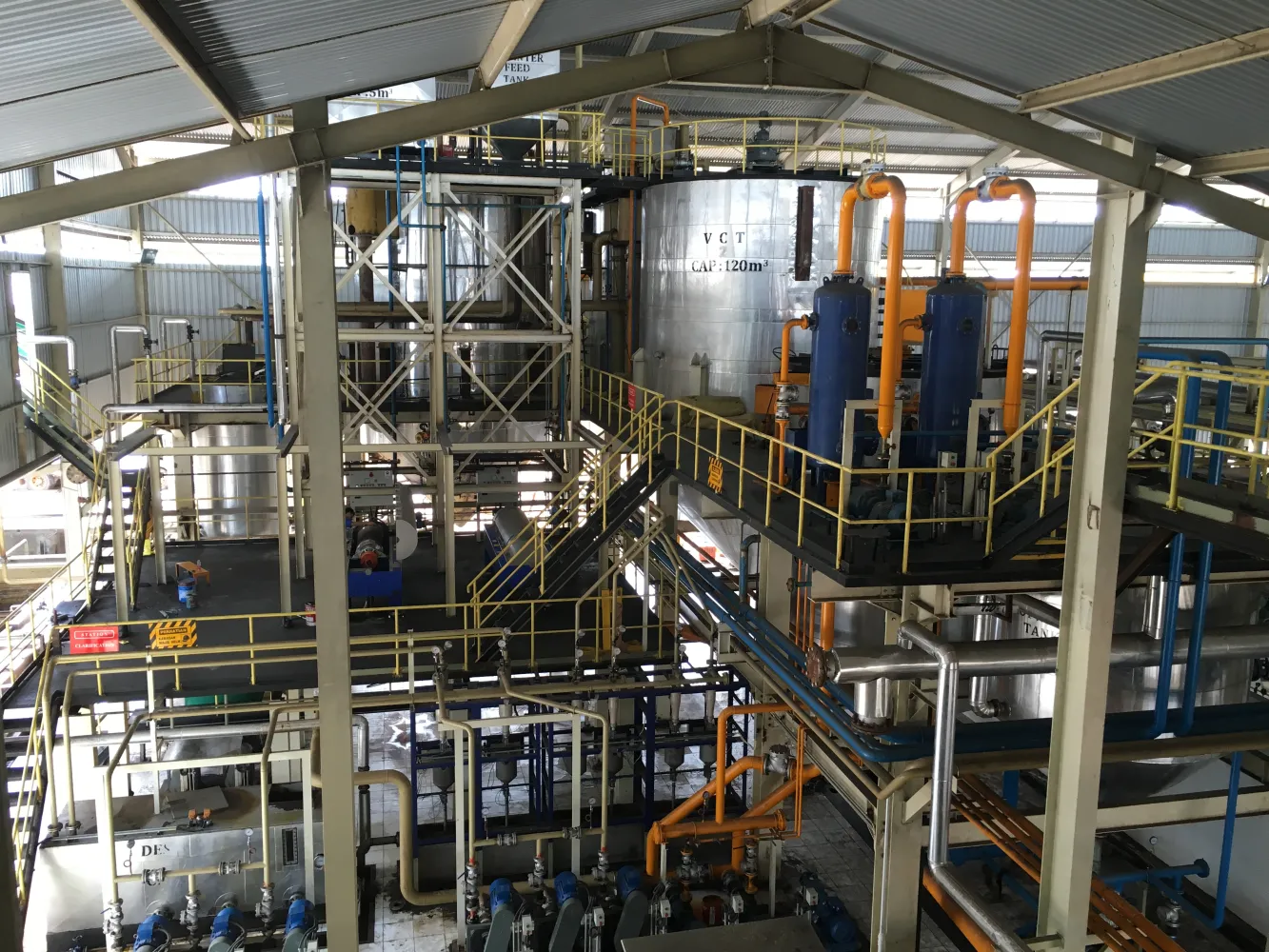
In a large-scale industrial soybean oil facility in the Middle East, modular presses were integrated with automated process control to handle high-throughput production exceeding 50 tons per day. Multi-stage filtration ensured compliance with stringent export food safety standards. A hybrid heat recovery system decreased fossil fuel dependency, aligning the facility with regional green energy initiatives.
Modern soybean oil pressing solutions emphasize resource efficiency within a circular economy framework. Key strategies include:
These initiatives have demonstrated a potential carbon footprint reduction of up to 25% compared to legacy systems, offering brands a compelling story of environmental responsibility that resonates with international buyers.
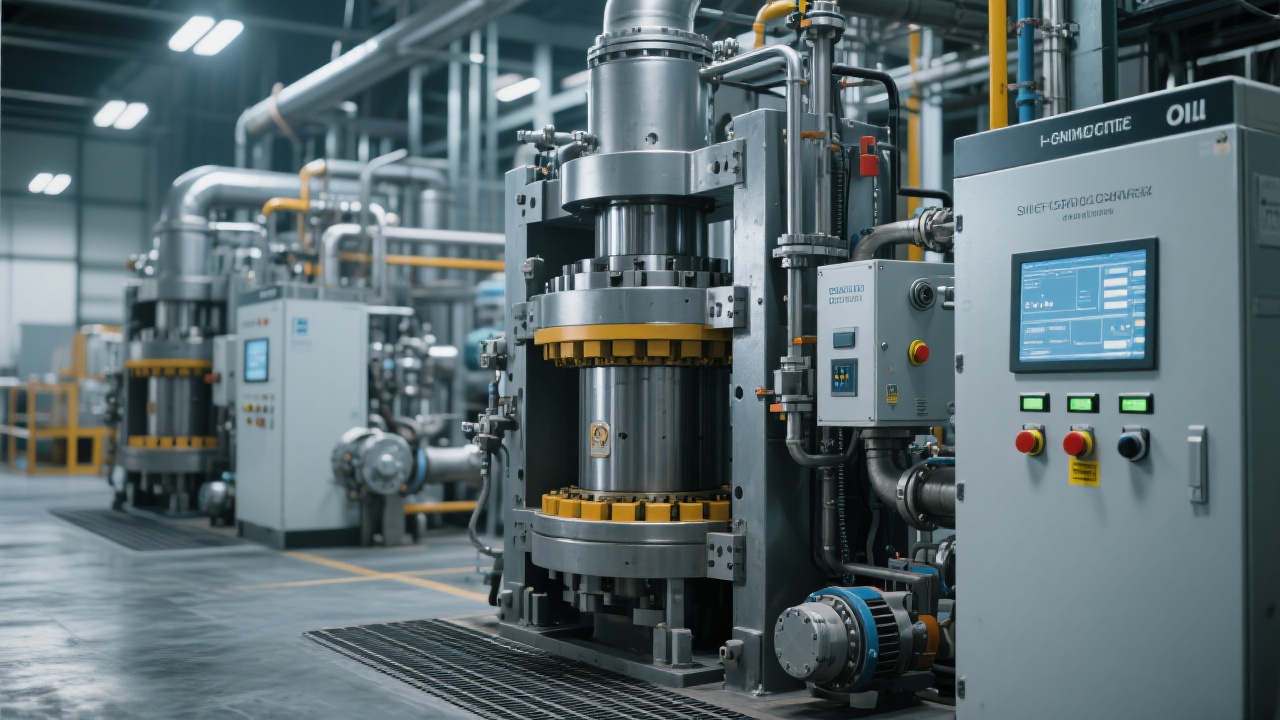
Technological adaptation of oil pressing equipment offers enterprises tangible economic advantages:
| Performance Indicator | Legacy System | High-Efficiency Equipment |
|---|---|---|
| Oil Yield | ~18% | ≥20% |
| Energy Consumption | Baseline | 30% Reduction |
| Installation Downtime | Weeks | Days (Modular setup) |
| Food Safety Compliance | Variable | Consistent & Certified |
Such figures translate into faster return on investment and deeper penetration in export-driven markets where quality and sustainability credentials increasingly dictate buyer preferences.