
Peanut oil pretreatment is important because it removes impurities and prepares peanuts for efficient, stable oil extraction. Cleaning protects downstream equipment, shell separation controls feed composition, and crushing or conditioning adjusts the kernels for the selected processing method. These operations influence feed consistency, equipment wear, energy consumption, oil recovery, and cake quality.
Inadequate pretreatment can lead to uneven feeding, excessive equipment wear, or unsuitable moisture and temperature conditions. However, more intensive treatment does not always improve oil yield. The appropriate process depends on raw-material condition, extraction technology, production capacity, and the requirements of the finished product.
For peanut oil producers, the objective is to prepare the raw material for extraction without adding unnecessary equipment or processing steps.
Each pretreatment operation addresses a specific processing requirement. The correct configuration helps maintain consistent feed conditions and supports reliable extraction performance.
Raw peanuts may contain soil, stones, dust, plant residues, and metal fragments. Cleaning equipment removes these contaminants before they enter downstream machinery.
Inadequate cleaning can increase equipment wear, damage processing components, and interrupt production. A suitable cleaning system should be selected according to the types and quantities of impurities in the incoming peanuts.
For industrial plants, vibrating screens, destoners, and magnetic separators can be combined when required by the raw material and process design.
Peanut shells contain substantially less recoverable oil than the kernels. Excessive shell material entering the extraction section changes feed composition and can affect the characteristics of the resulting cake.
Shelling and separation equipment helps control the proportion of kernels and shells entering downstream processes. The required degree of shell removal depends on the extraction method, raw-material condition, and equipment specifications.
The plant should establish shell separation requirements before selecting equipment rather than assuming that every peanut oil line needs the same configuration.
Crushing or flaking changes kernel size and structure, while conditioning adjusts moisture and temperature when required by the selected process.
These operations influence how the material behaves during extraction. Uneven particle size or moisture can contribute to inconsistent feeding and processing conditions.
Finer particles and higher temperatures do not automatically improve oil recovery. Excessive size reduction or heating may increase energy consumption or affect oil quality without delivering a corresponding improvement in extraction performance.
The appropriate particle size, moisture content, and temperature should be established according to the extraction equipment specifications and verified through production data.

Research on mechanically expressed groundnut oil shows that particle size, heating temperature, heating duration, and pressing pressure can influence oil yield and quality. These variables should be evaluated together rather than adjusted independently.
A 1990 study, Processing Factors Affecting Yield and Quality of Mechanically Expressed Groundnut Oil, published in the Journal of Agricultural Engineering Research, examined the effects of particle size and heating conditions on mechanically expressed oil.
Under the tested conditions, coarsely ground samples generally produced higher oil yields than finely ground samples. The study also reported that heating conditions influenced measured oil-quality characteristics.
Reference: Processing Factors Affecting Yield and Quality of Mechanically Expressed Groundnut Oil. https://doi.org/10.1016/S0021-8634(05)80136-2.
A separate 2025 study investigated peanut pressing conditions for peanuts retaining their seed coats and blanched peanuts. The reported optimum conditions differed between the two material types, illustrating that kernel preparation can affect the required moisture and pressing temperature.
These findings should not be treated as universal industrial operating settings. Commercial results also depend on press design, raw-material characteristics, operating conditions, and product requirements.
For equipment selection, the practical implication is that particle size, moisture content, and heating conditions must be evaluated against the actual extraction process. Published experimental values are useful references, but operating parameters should be verified through raw-material testing and production trials.

The appropriate peanut oil pretreatment process depends on three main factors: raw-material condition, extraction method, and production capacity.
| Selection factor | What to evaluate | Effect on process design |
|---|---|---|
| Raw-material condition | Impurity level, shell content, kernel condition, and moisture | Determines cleaning, separation, and conditioning requirements |
| Extraction method | Mechanical pressing or solvent extraction | Determines the required material preparation and treatment conditions |
| Production capacity | Target throughput and downstream processing capacity | Determines equipment sizing and material-handling requirements |
A peanut oil pressing line may require cleaning, shell separation, crushing or flaking, and conditioning, depending on the raw material and press design.
For roasted or high-aroma peanut oil production, controlled heating before pressing may also be required to develop the desired flavour and colour characteristics. Temperature and residence time should be managed according to the selected process and product specifications.
The objective is to provide consistent feed material without excessive heating or unnecessary treatment.
A solvent extraction line may require different particle preparation and conditioning conditions from a mechanical pressing line. The preparation process must meet the requirements of the extraction system and support consistent material flow.
Equipment should therefore be selected as part of the complete production process rather than independently.
Additional treatment is justified when it addresses a specific raw-material or process requirement, such as excessive impurities, unsuitable feed characteristics, or a documented extraction problem.
Before adding equipment, determine whether the issue can be resolved by adjusting existing operating conditions or improving process control. This helps avoid unnecessary capital costs, energy consumption, and maintenance work.
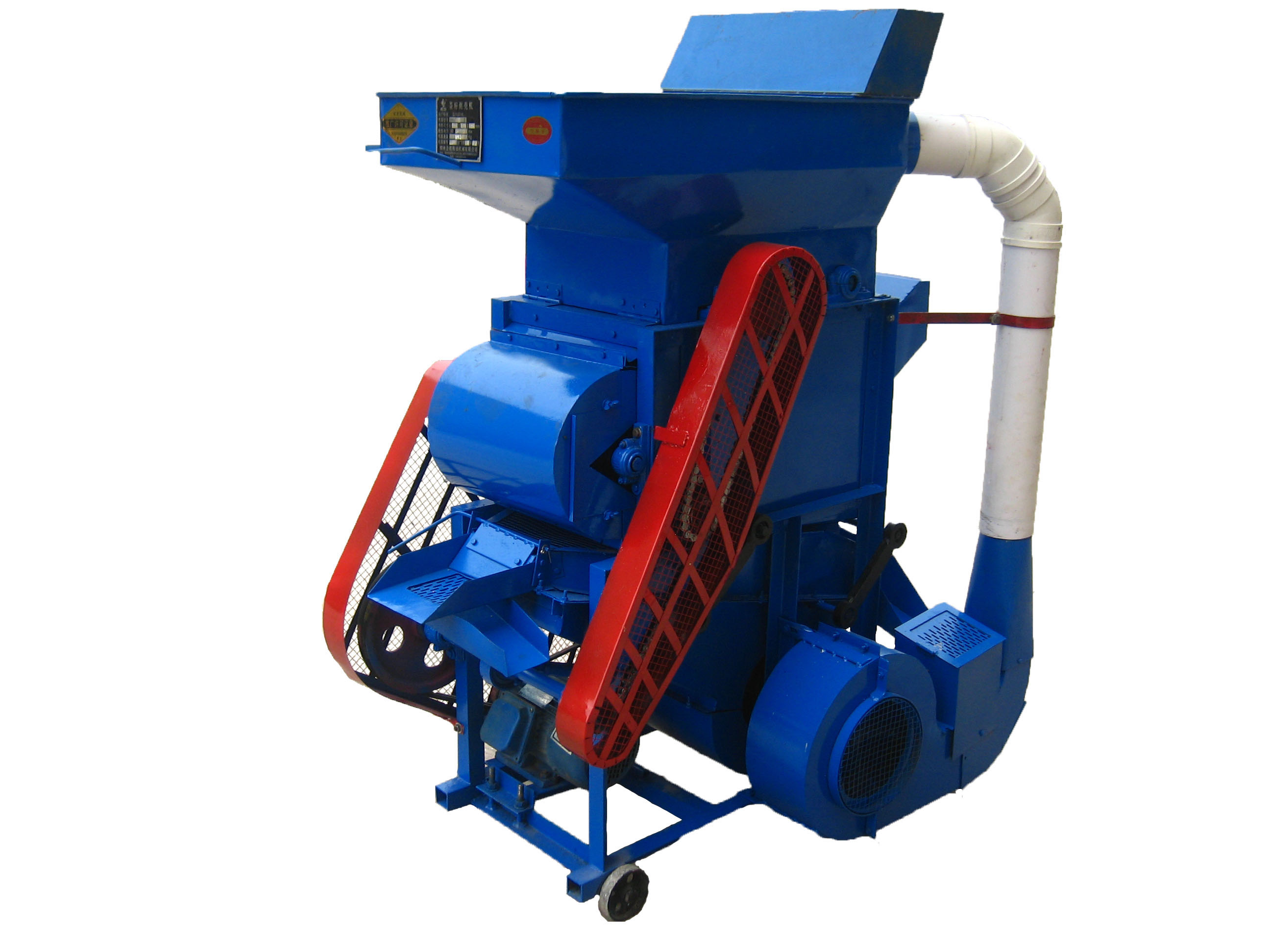
Peanut oil pretreatment equipment should be selected according to incoming material characteristics and the requirements of the extraction line.
| Equipment | Main function | When it may be needed |
|---|---|---|
| Vibrating screen or cleaning machine | Removes dust and foreign materials | When incoming peanuts contain impurities |
| Destoner | Separates stones and other dense contaminants | When required by incoming material quality |
| Magnetic separator | Removes ferrous metal fragments | To protect downstream machinery |
| Shelling machine and separator | Separates shells from kernels | When shell removal is required |
| Crusher or flaker | Adjusts kernel size and structure | When required by the extraction process |
| Conditioner or heating equipment | Controls moisture and temperature | When specific feed conditions are needed |
| Conveying equipment | Transfers material between processing stages | To maintain consistent material flow |
Not every plant requires all these machines. The final configuration should reflect raw-material quality, extraction technology, target throughput, and process specifications.
Pretreatment capacity must also match the downstream extraction line. If pretreatment equipment cannot supply material at the required rate, it may restrict production. Substantially oversized equipment can increase capital and operating costs without improving overall line performance.

Nigeria is a major peanut-producing country. FAOSTAT-based production data reported approximately 4.3 million tonnes of peanuts in 2024, making the country a relevant market for peanut oil processing equipment (production data: https://commodityorigins.com/commodities/peanuts/).
A documented 50 TPD peanut oil project provides a practical example of how pretreatment can be integrated with downstream processing. The supplied project record describes a commissioned line comprising a 50 TPD peanut cleaning and pretreatment system, continuous roasting equipment, screw presses, and a 20 TPD cold-filtration system.
The project record does not identify Nigeria as the installation location. It is therefore an engineering reference for peanut-processing plants in Nigeria and other peanut-producing markets, rather than a claim of a completed Nigerian installation.
The pretreatment and processing configuration includes:
The project processes 50 tonnes of peanuts per day, while the cold-filtration system is rated at 20 tonnes per day. These figures describe different stages of the line and should not be interpreted as equivalent finished-oil output.
For a peanut oil plant in Nigeria, the same configuration should not be copied automatically. Equipment sizing and pretreatment requirements must be evaluated against local peanut quality, incoming moisture and impurity levels, operating hours, target output, and the intended oil product.
The main engineering lesson is that cleaning, controlled heating, pressing, and filtration should be designed as a coordinated process. Pretreatment provides the consistent feed conditions needed by the downstream equipment, while the complete line must be sized around the plant's actual production requirements.

Pretreatment problems can affect feed consistency, equipment reliability, and extraction performance. The following checks help identify potential causes.
| Observed problem | Possible pretreatment cause | Recommended check |
|---|---|---|
| Unstable feeding | Inconsistent particle size or material flow | Inspect crushing settings, conveyors, and feed consistency |
| Excessive shell material | Inadequate shell separation | Check shelling and separation performance |
| Lower-than-expected oil recovery | Unsuitable moisture, heating, or feed preparation | Compare pretreatment data with extraction conditions and cake residual oil |
| Excessive energy consumption | Unnecessary heating or excessive size reduction | Review energy use and verify whether each treatment step is required |
| Frequent equipment wear | Foreign materials entering the line | Inspect cleaning performance and material transfer points |
These symptoms do not necessarily indicate a pretreatment fault. Oil recovery and product quality can also be affected by raw-material oil content, press condition, extraction parameters, and other operating factors.
A practical assessment should compare incoming peanut quality, moisture content, pretreatment settings, throughput, oil recovery, cake residual oil, and relevant oil-quality measurements. Where possible, compare results under similar raw-material and operating conditions before deciding whether process adjustments or equipment modifications are necessary.
Effective peanut oil pretreatment means preparing raw materials for the actual extraction process, not maximizing the number or intensity of treatment steps.
For a new or existing peanut oil production line, evaluate raw-material characteristics, extraction method, target capacity, and current operating results before deciding which pretreatment equipment or parameters need adjustment.
Author: QIE GROUP Process Engineer
It removes impurities and prepares peanuts for extraction, helping maintain consistent feed conditions, protect equipment, and support stable oil recovery.
Depending on the process, it may include cleaning, destoning, magnetic separation, shelling, crushing or flaking, conditioning, and material conveying.
No. Suitable pretreatment can support extraction performance, but the outcome depends on raw-material properties, process settings, and equipment design. Excessive or inappropriate treatment may increase costs without improving recovery.
Common options include cleaning machines, destoners, magnetic separators, shellers, crushers or flakers, conditioners, and conveyors. The required configuration varies by plant.
Parameters should be established using raw-material tests, extraction requirements, equipment specifications, and production trials. Published experimental values should be treated as references rather than universal industrial operating standards.
Contact QIE GROUP to discuss your raw materials, production capacity, and peanut oil processing equipment requirements.
Contact QIE GROUP


