As global consumers shift towards healthier and sustainable edible oils, sunflower seed oil has emerged as a preferred choice due to its nutritional benefits and versatile culinary applications. For exporters and manufacturers, understanding the nuances of this evolving market is imperative to leverage growth opportunities and navigate challenges effectively.
The worldwide demand for sunflower seed oil has shown consistent growth, with a CAGR of approximately 5.2% over the past five years. This rise is driven primarily by increasing health awareness, the oil’s high unsaturated fat content, and expanding applications in food processing industries across North America, Europe, and Asia-Pacific regions.
Emerging markets, particularly in Eastern Europe and parts of Asia, represent significant consumption upturns due to dietary shifts and rising disposable incomes. Concurrently, developed markets witness steady demand sustained by premiumization trends favoring cold-pressed and organic sunflower oil variants.
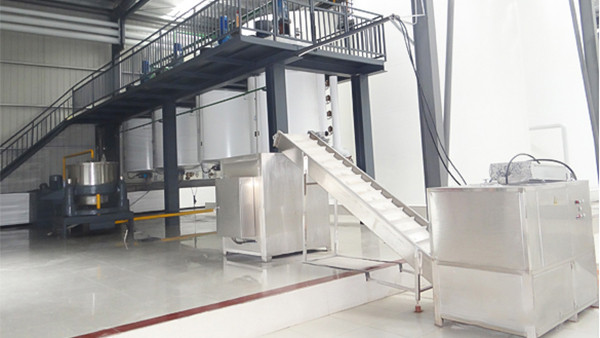
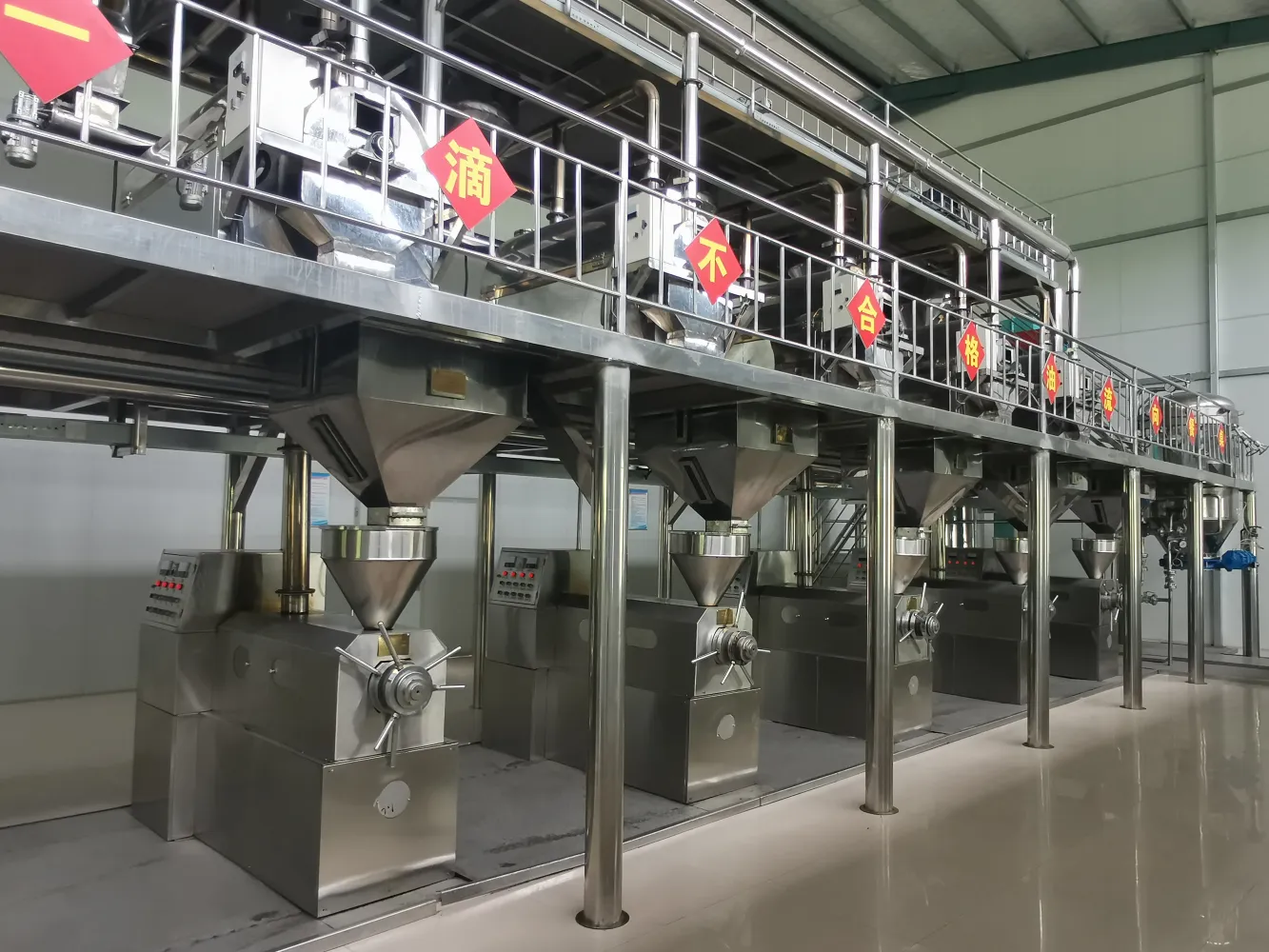
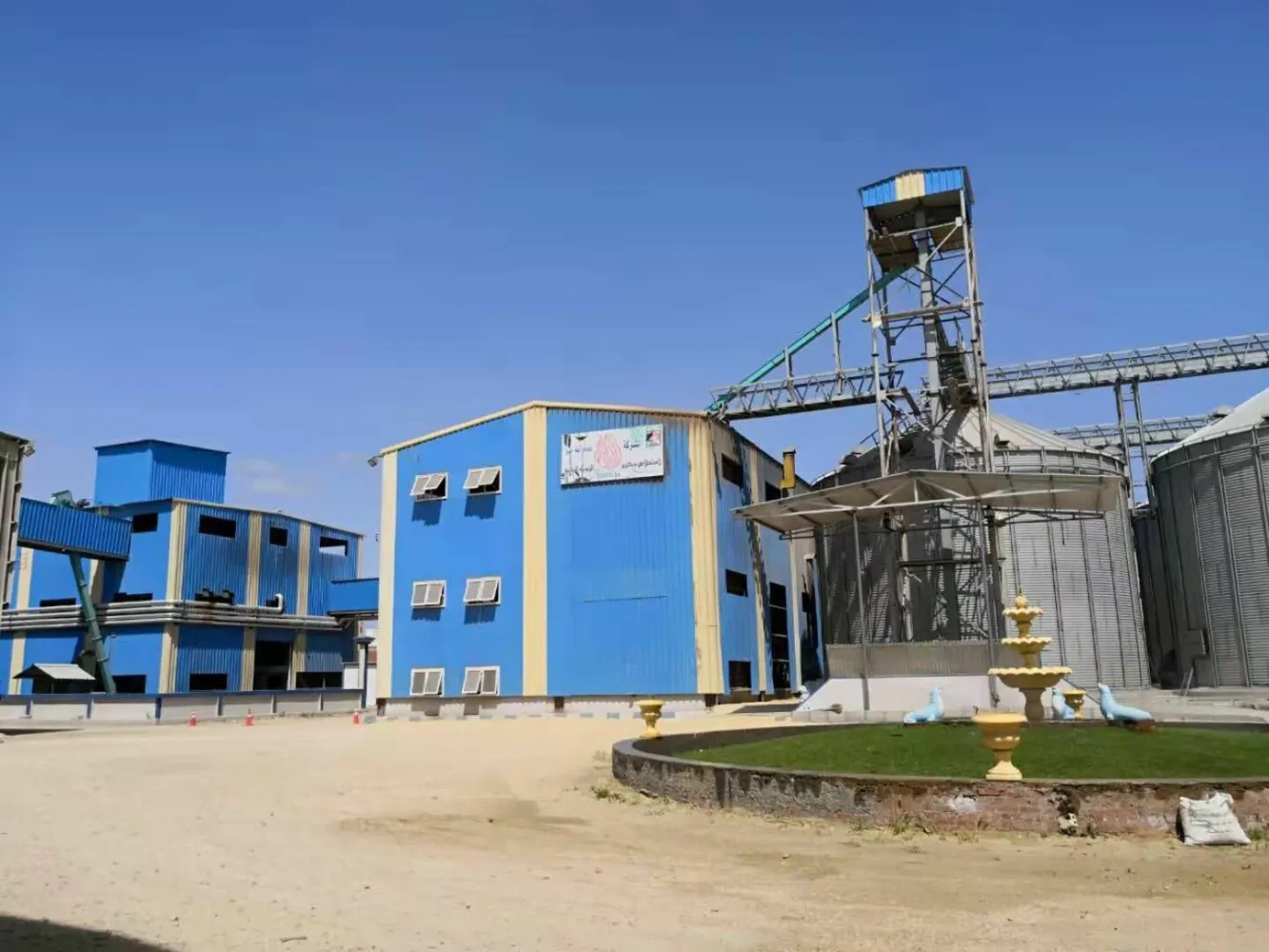
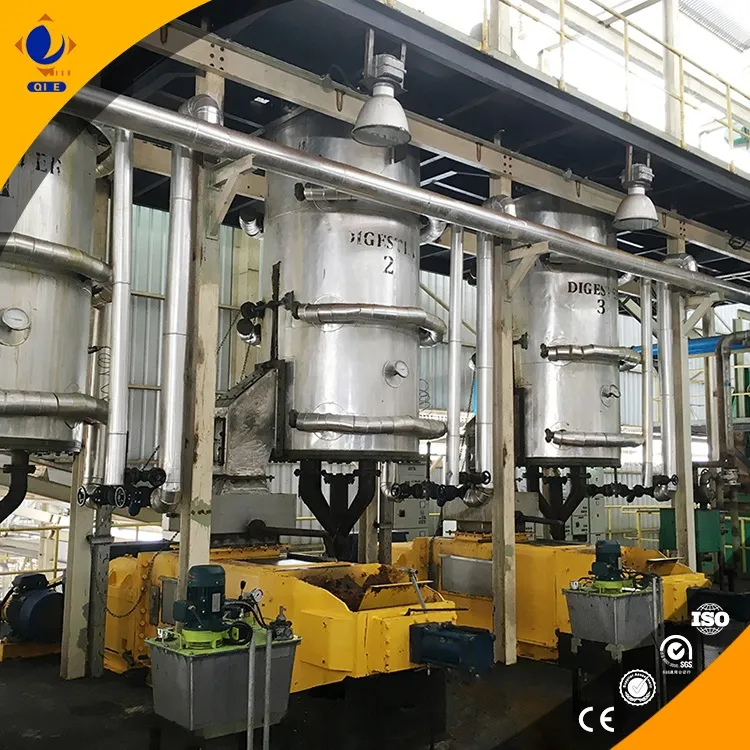
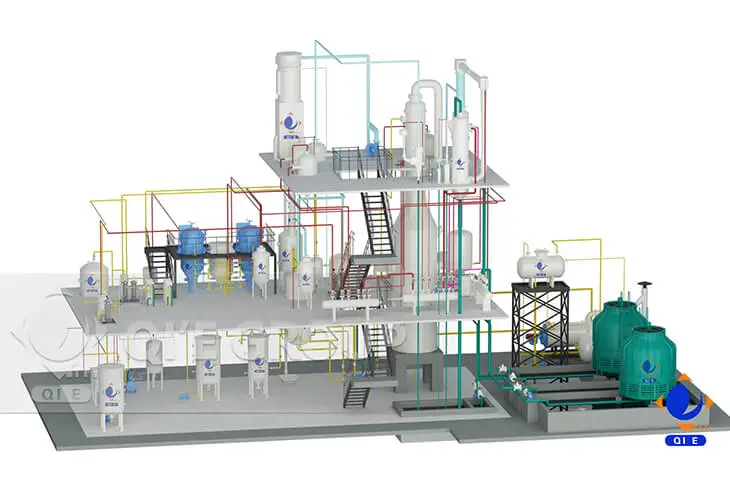
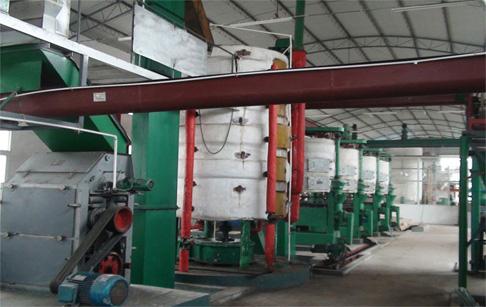
Modern production leverages a combination of mechanical pressing and solvent extraction to maximize oil yield without compromising quality. Key equipment types include cold press machines, expeller presses, and continuous solvent extraction units, each offering distinct advantages depending on production scale and product specifications.
Technological advances emphasize energy-efficient designs and automated controls, thereby reducing operational costs and ensuring consistent output quality. Notably, process stages such as seed cleaning, conditioning, pressing, extraction, and refining demand optimized equipment integration to maintain hygiene standards and process efficiency.
Sunflower seed oil manufacturing machines are categorized broadly into small-scale (<1 ton/hour), medium-scale (1-5 tons/hour), and large-scale (>5 tons/hour) equipment. Small setups cater mostly to domestic or regional markets and agro-industries focusing on niche quality oils.
Medium and large capacity machines support export-oriented enterprises, often equipped with multi-stage refining capabilities to meet strict international quality norms. The choice of equipment scale aligns closely with market strategy, investment capability, and regulatory compliance requirements.
The sunflower oil export sector is moderately consolidated, with key players headquartered in Ukraine, Russia, Argentina, and Turkey dominating global supplies. Emerging exporters face heightened competition exacerbated by dynamic trade policies and fluctuating raw material costs.
Export enterprises must contend with regulatory barriers, quality certification complexities (e.g., ISO, HACCP, RSPO), and tariff uncertainties. Strategic differentiation through product quality, traceability, and sustainability credentials provides a competitive advantage in discerning global markets.
Digital transformation profoundly influences B2B engagement within the edible oil sector. Robust website digital marketing strategies including SEO-optimized content, targeted Google and LinkedIn Ads, and participation in global online trade portals significantly enhance lead generation and brand visibility.
Data-driven remarketing, multilingual website capabilities, and integrating technical specifications and certification badges instill buyer confidence. Such tactics boost conversion rates and support the longer-term nurture of export partnerships.
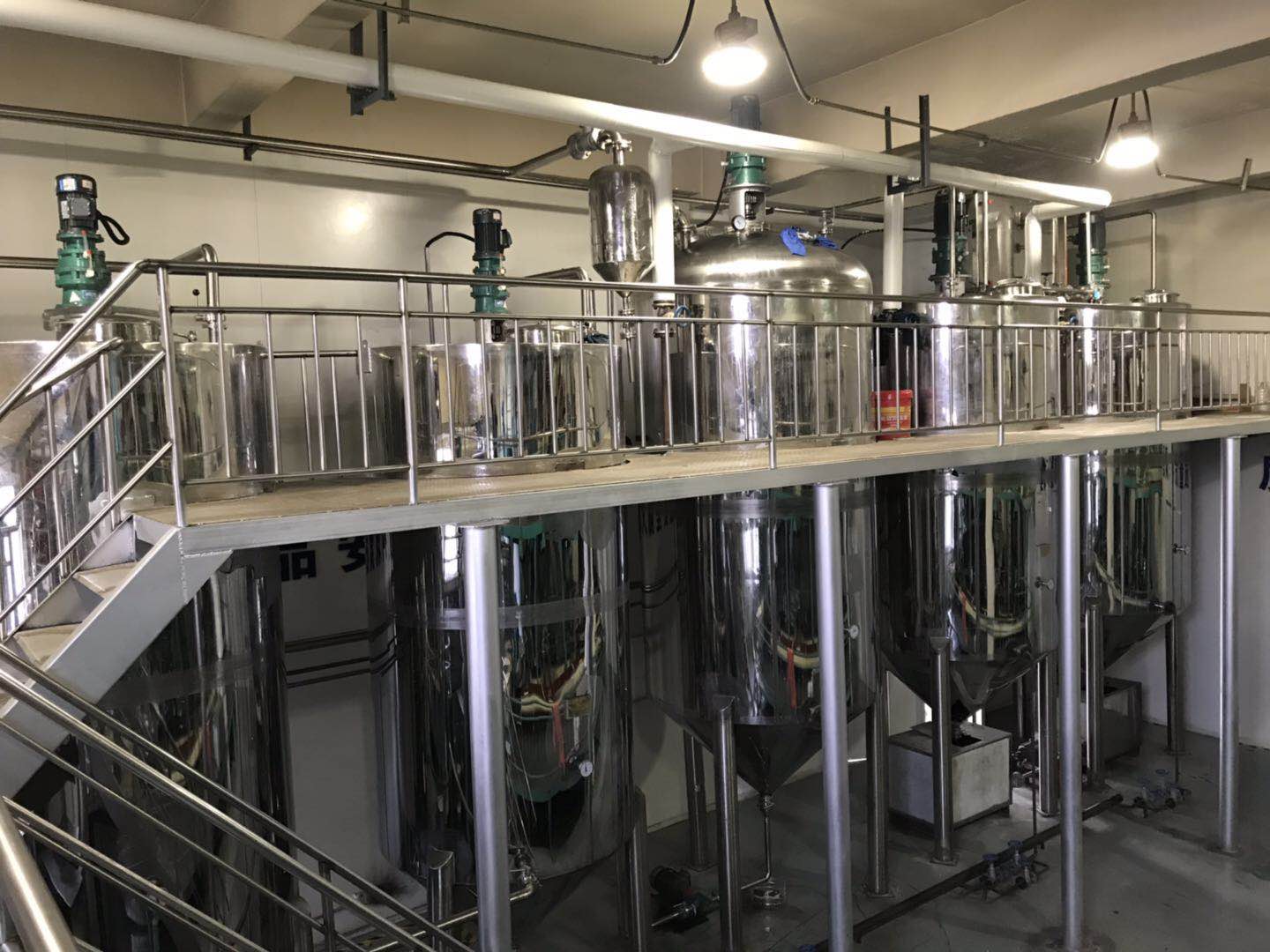
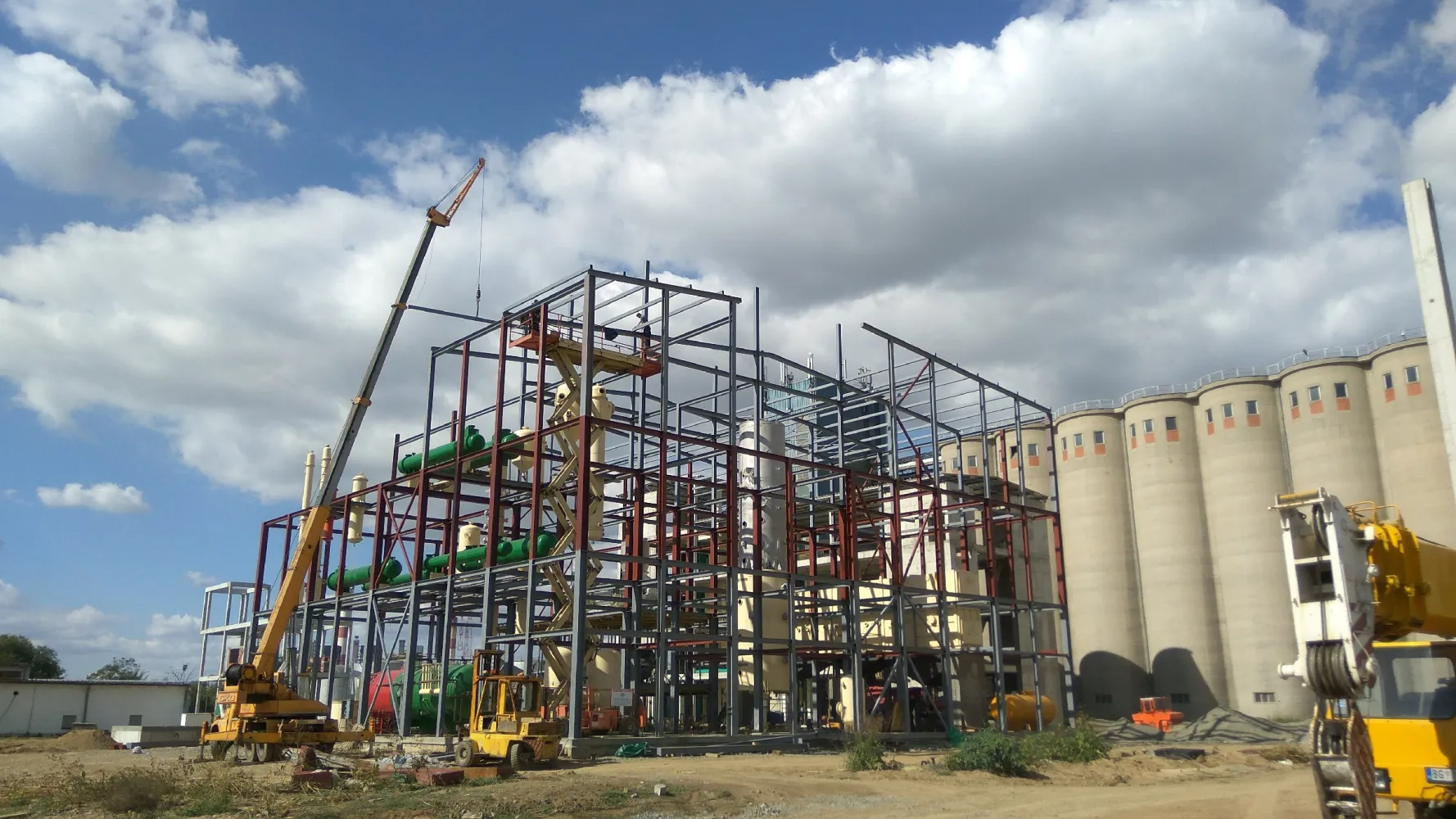
Capital investments should prioritize scalable production lines featuring modular extraction and refining units, allowing adaptability to shifting demand patterns. Embracing automation can yield up to 20% operational cost reduction and improve throughput consistency.
Marketing efforts must be integrated across digital platforms and offline trade exhibitions, focusing on trusted certifications, product traceability, and consumer health benefits. Empowering brand narratives that emphasize innovation and quality enhance market positioning.