A Small Oil Mill’s High-Efficiency Transformation with a Sunflower Oil Production Machine
In many emerging and regional markets, a “small” sunflower oil mill is not short on demand—it is short on consistency. The case below shows how one workshop-style operation upgraded from manual, experience-driven processing to a more automated, standardized line using a sunflower oil production machine, achieving quality leap and stable output that unlocks bigger B2B orders. The model is practical, replicable, and designed for owners who believe small factories can still do big business.
Client Background: When “Handmade” Becomes a Bottleneck
The client is a small sunflower oil mill serving local wholesalers, grocery chains, and foodservice buyers. The business had grown on relationships, but production was still built around manual sorting, uneven heating, and batch-to-batch pressing adjustments. This led to three recurring pain points:
- Unstable quality: color and flavor varied by batch; filtration inconsistency increased sediment complaints.
- Low extraction efficiency: oil losses in cake and during transfer/settling reduced profitability.
- Labor and energy pressure: peak-season orders demanded overtime; energy use spiked due to repeated reheating and reprocessing.
What Changed After the Upgrade: From Experience-Driven to Data-Driven
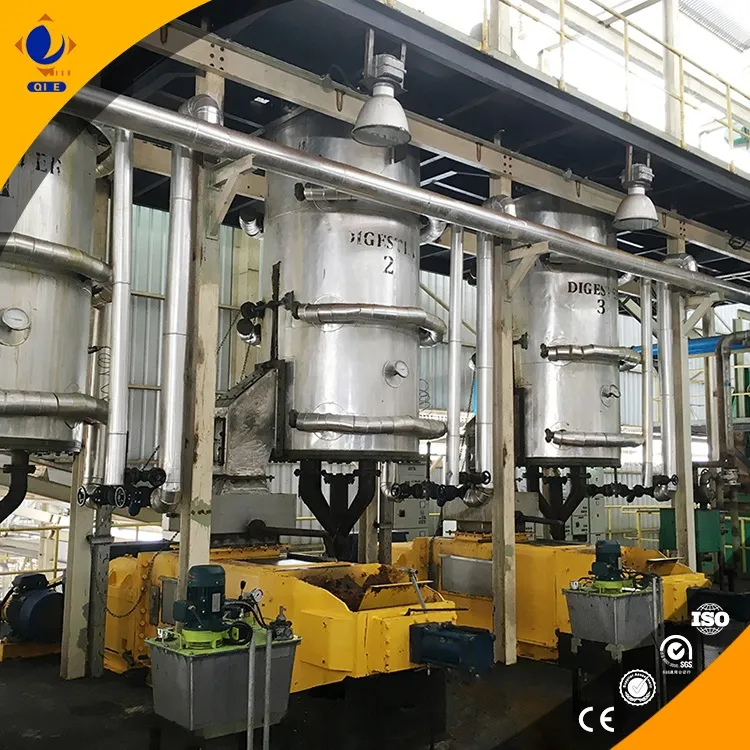
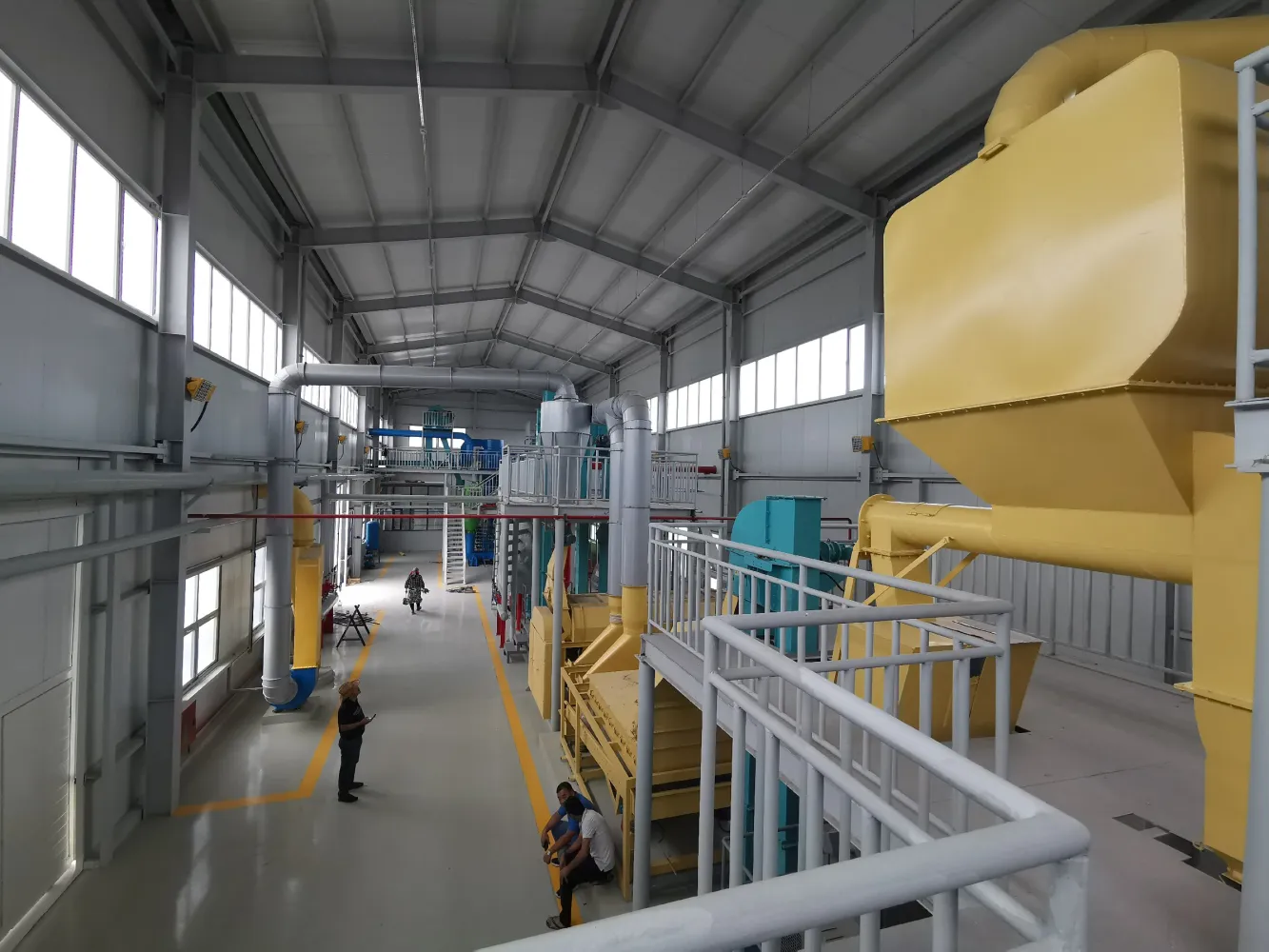
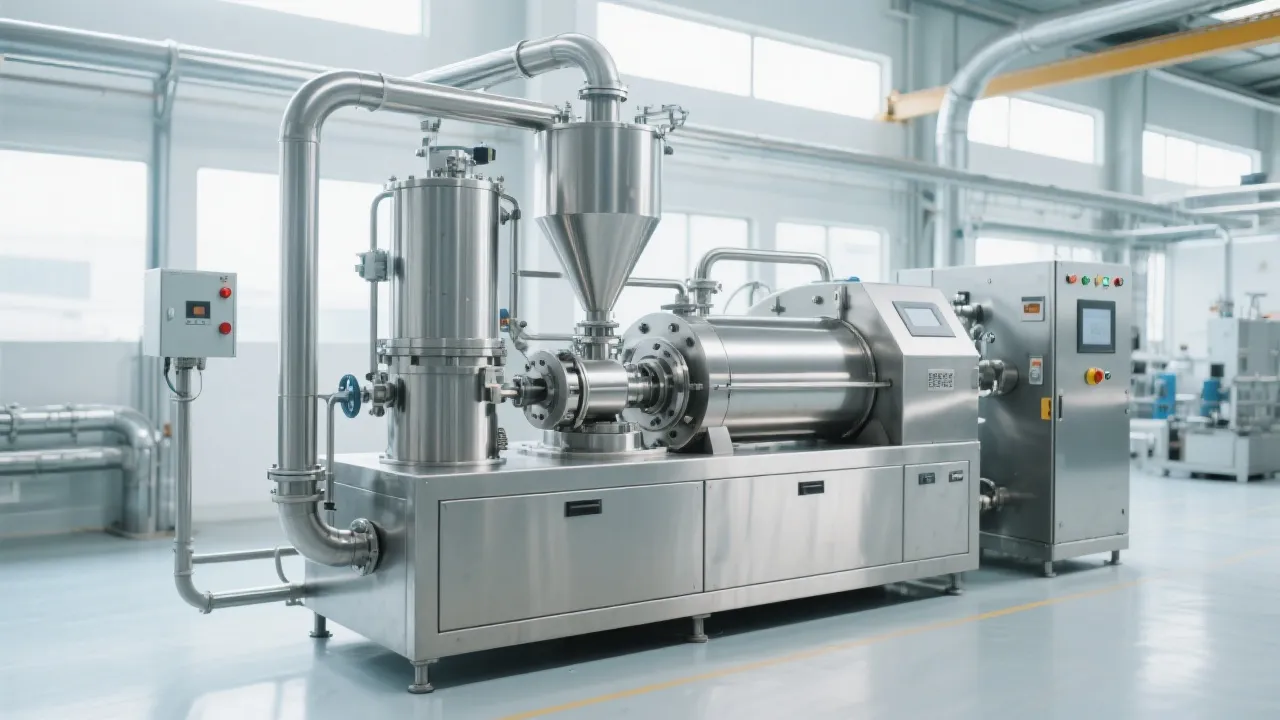
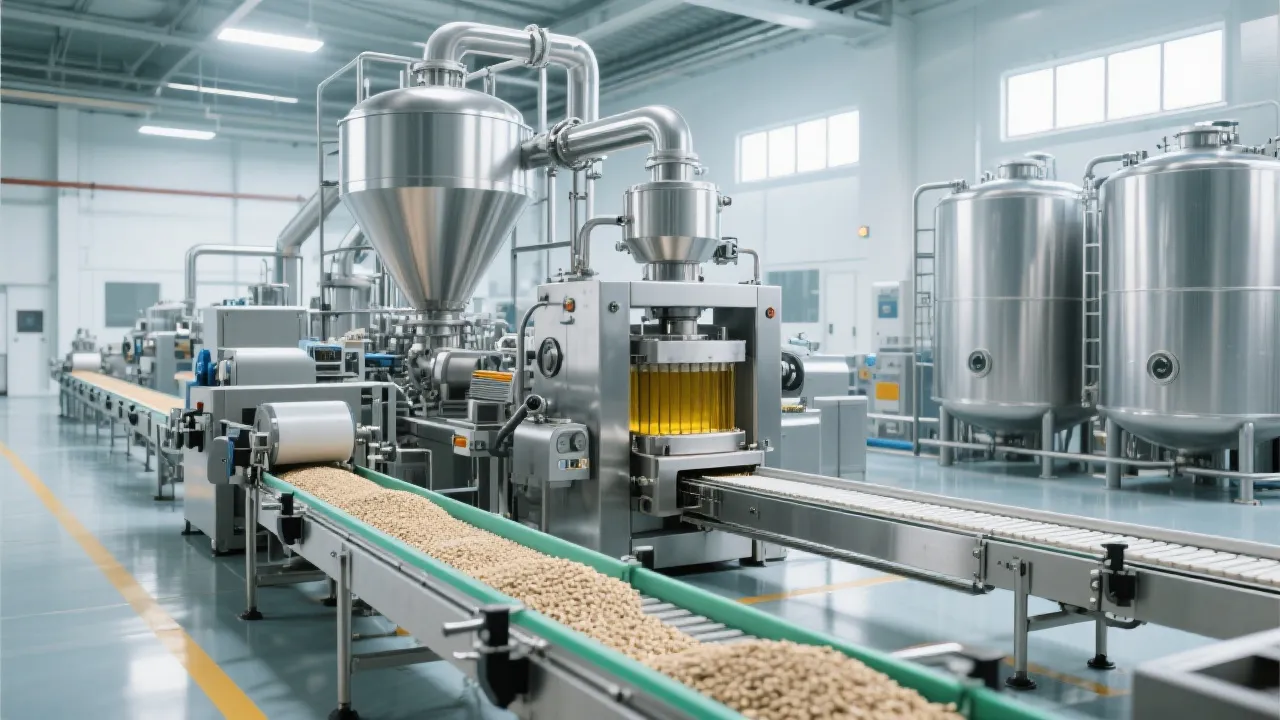
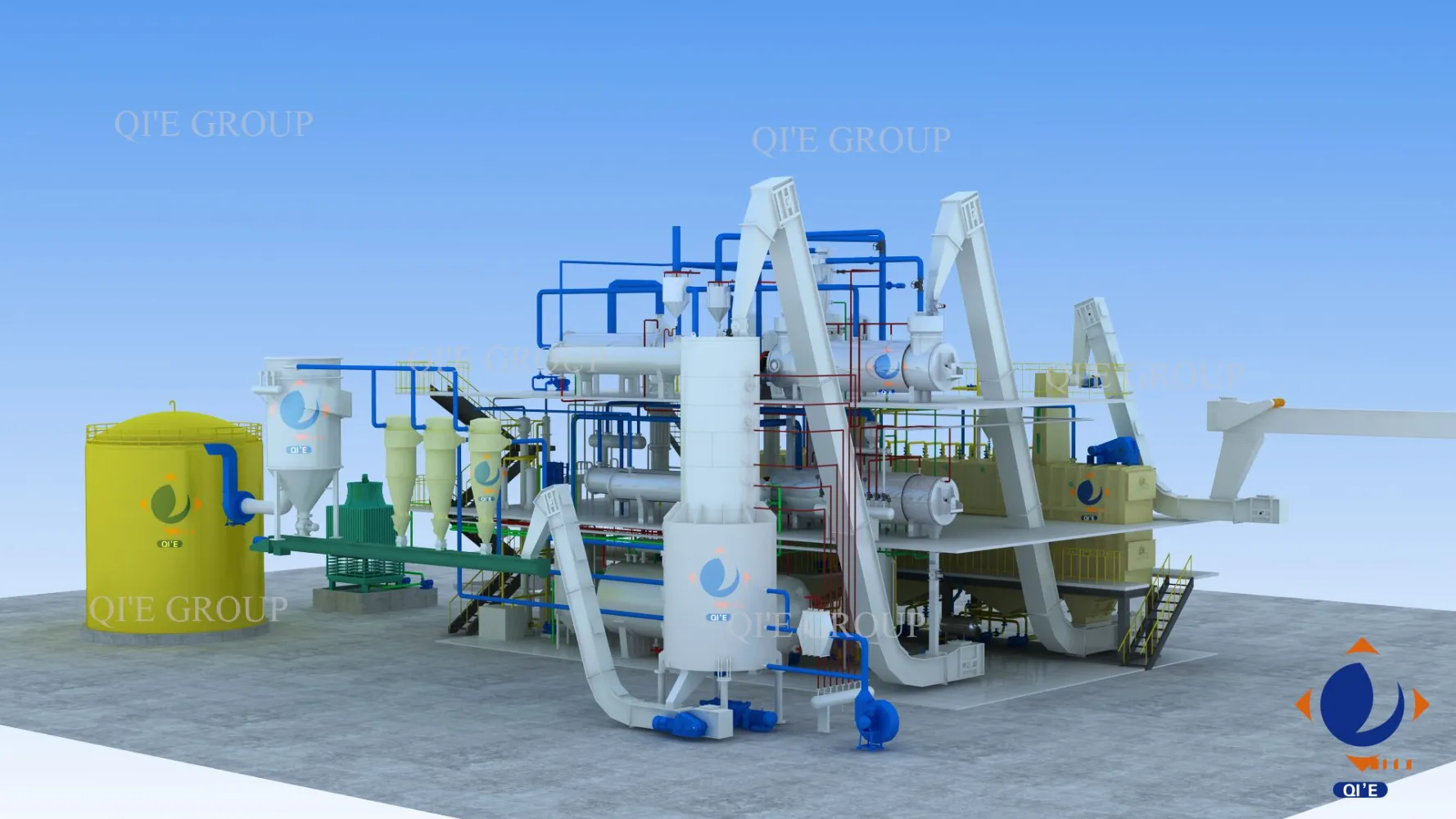
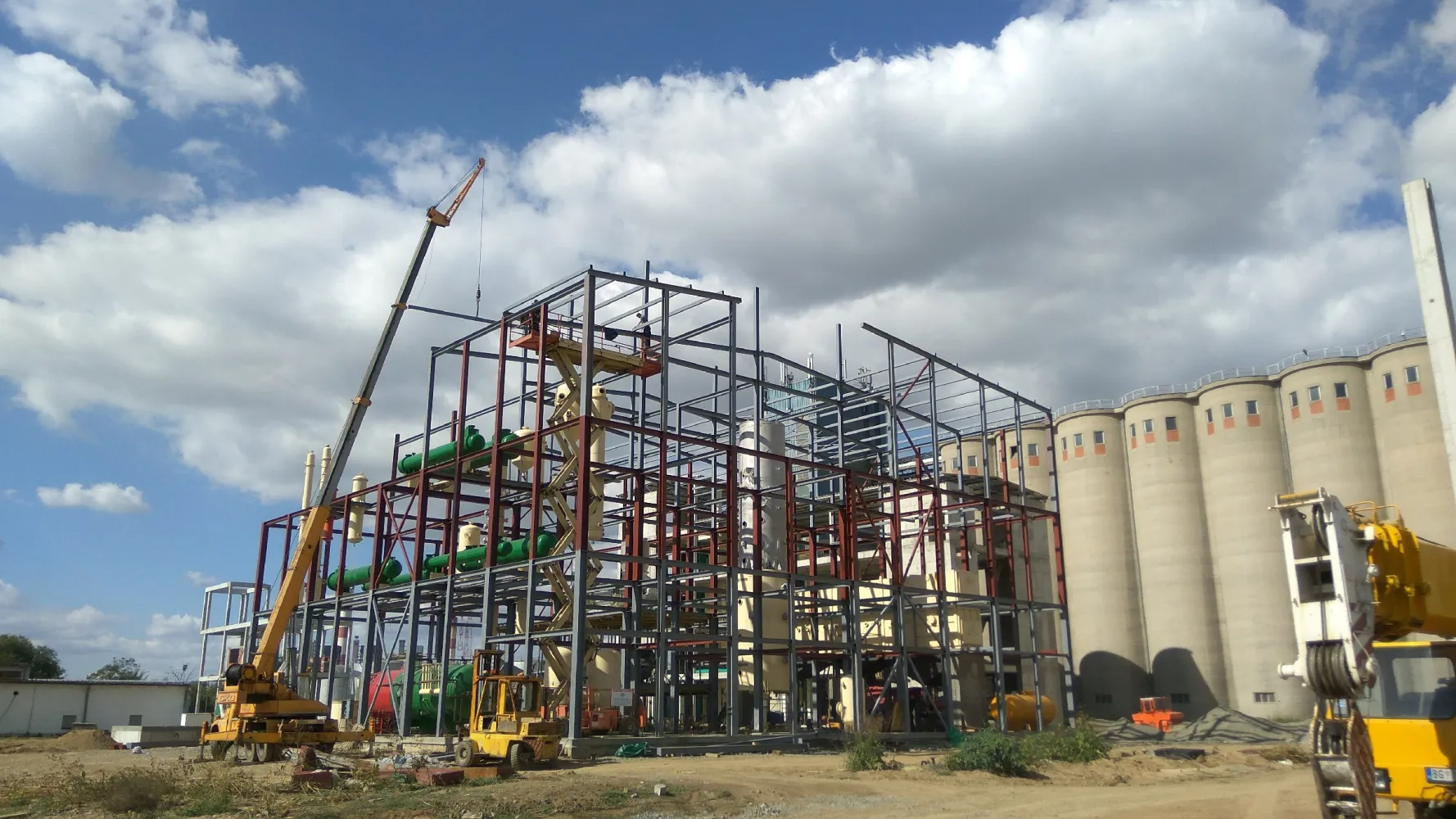
The turning point was the installation of a sunflower oil production machine configured as a practical mini-line: seed cleaning + dehulling + conditioning + pressing + filtration + (optional) refining + packaging. Instead of expanding manpower, the mill improved process control—temperature, flow, and cleanliness—so output could scale without sacrificing consistency.
| Metric | Before (Workshop Style) | After (Machine + Standard Process) | What It Means for B2B Orders |
|---|---|---|---|
| Daily output | ~0.8–1.2 tons/day | ~2.5–3.5 tons/day | Meets stable delivery windows and avoids stock-outs |
| Oil yield (typical) | ~36–38% | ~40–42% | Higher margin and room for distributor pricing |
| Labor per shift | 10–12 people | 5–7 people | Less dependence on seasonal labor availability |
| Customer complaints (sediment/off-flavor) | ~3–5 cases/month | ~0–1 case/month | Improves repeat orders and contract confidence |
| Rework / product loss | ~2.0–3.0% | ~0.8–1.2% | Cleaner operations and more sellable liters |
The numbers above are typical for a well-implemented upgrade in small-to-mid capacity operations. The real value is not only higher yield—it’s the predictability that wholesale and institutional buyers demand.
Process Upgrade Blueprint: Clean → Dehull → Press → Filter → Refine → Pack
The mill’s transformation followed a simple logic: remove the variables first (impurities, shells, temperature swings), then standardize the high-impact steps (pressing and filtration), and finally add refining/packaging options based on target channels.
Flow Diagram (Simplified)
1) Seed Cleaning: The Low-Cost Step That Protects Every Step After
The upgraded line began with mechanical cleaning (dust, stems, stones, metal) to prevent wear and reduce off-notes from burnt impurities. With more consistent raw material input, the mill reduced unexpected downtime and stabilized press behavior. In practice, cleaner seeds can cut unplanned stops by 20–30% in small plants where contamination is common.
2) Dehulling: Turning a Quality Issue into a Quality Advantage
Sunflower hulls can increase waxes and pigments in crude oil and introduce harsher notes. By adding dehulling and separation, the mill achieved noticeably lighter crude oil and smoother taste—less burden for filtration and optional refining. The owner reported that the biggest change was not visual; it was how buyers described the oil as “cleaner” and “more stable” in cooking.
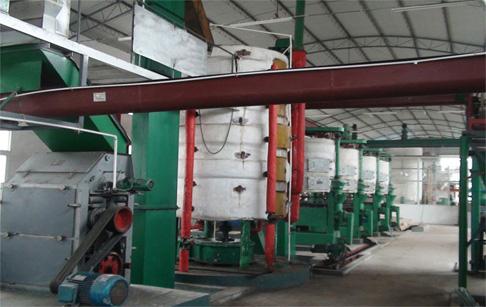
3) Conditioning + Pressing: Where Yield and Stability Are Won
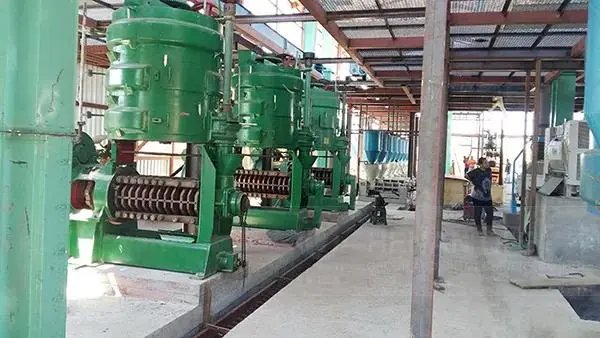
The retrofit focused heavily on conditioning control—keeping seed moisture and temperature within a stable operating window before pressing. This reduced the “operator guesswork” that causes yield swings. The mill shifted to a more repeatable approach: consistent feed rate, controlled temperature, and scheduled press adjustments. The measurable result was a yield rise of about 3–5 percentage points, largely from reduced oil left in cake.
4) Filtration: The Shortcut to Fewer Complaints
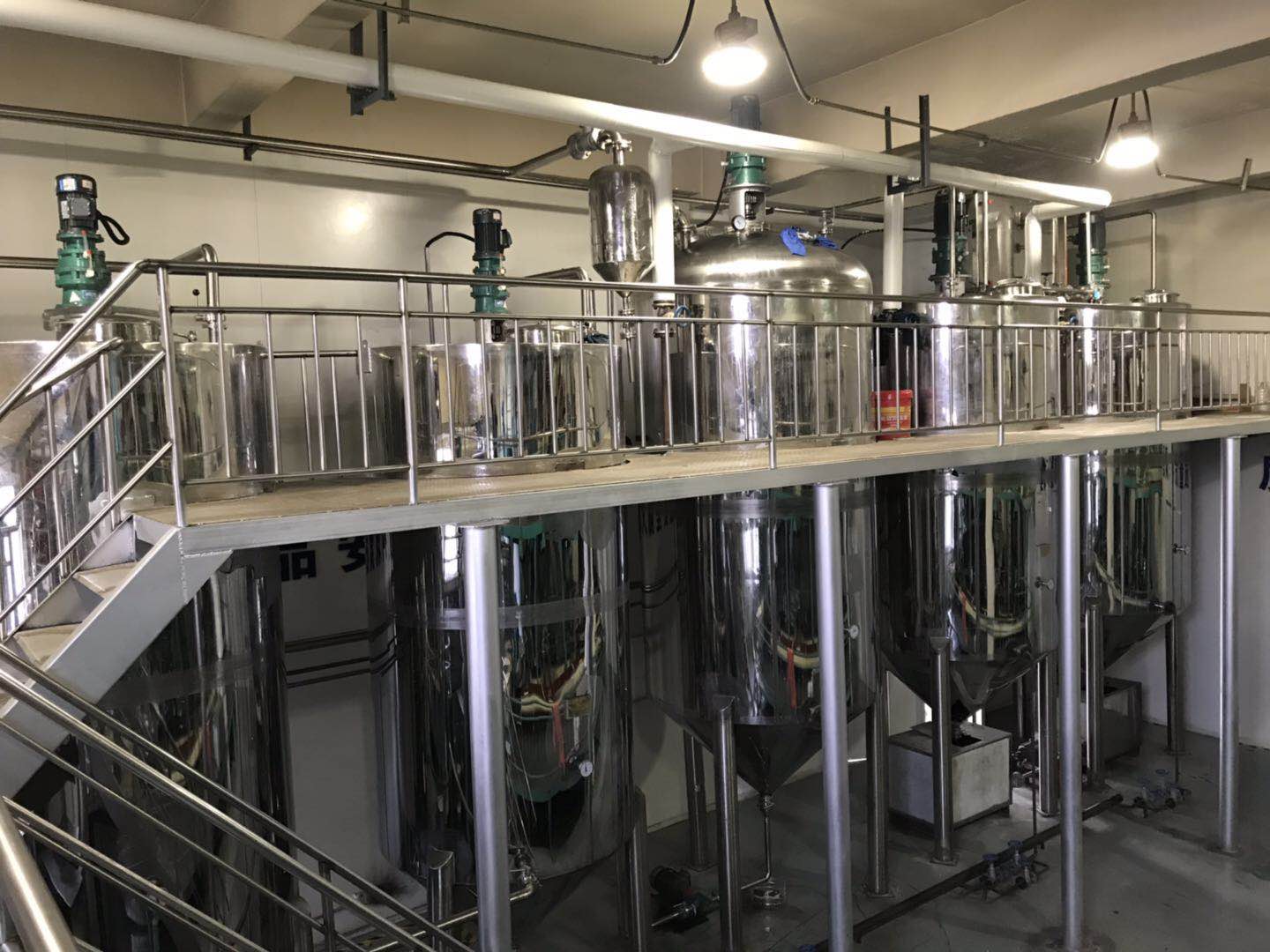
Filtration was treated as a product-quality step, not a “last-minute cleanup.” By using a more stable filtration system (and managing oil temperature and particle load), the mill reduced sediment and improved shelf appearance. For buyers, this is a direct trust signal: clear oil, consistent color, fewer returns. Internally, it reduced rework and shortened time-to-pack.
5) Refining (Optional): Aligning with Market Channels
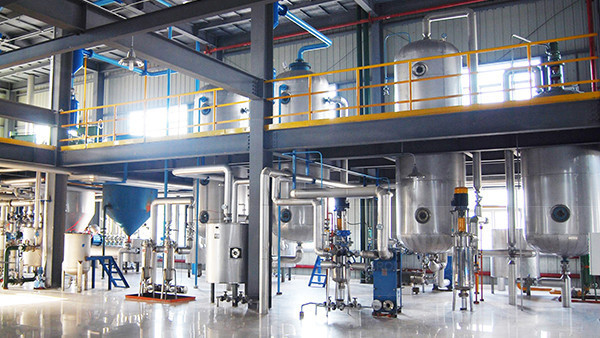
Not every small mill needs full refining from day one. In this case, the mill kept refining as a modular option to match customer needs: wholesale buyers accepted well-filtered oil for certain channels, while modern retail required tighter standards for odor, color, and stability. This flexibility supported the mill’s high-efficiency transformation without overcomplicating operations.
6) Packaging: Making Consistency Visible
Once the product became consistent, packaging stopped being an afterthought. The mill moved to more standardized filling and labeling routines to reduce leakage, incorrect net weight, and label mismatch—small details that become big barriers when you want to supply supermarkets, distributors, and foodservice chains.
Results That Matter: Output, Waste, and Buyer Confidence
After the upgrade, the mill didn’t just “produce more.” It produced with fewer surprises—less rework, fewer quality disputes, and better delivery reliability. That reliability became the sales argument: quality leap with stable supply.
Operational Highlights (Reference Outcomes)
- Daily capacity increased by roughly 2–3× depending on seed quality and shift length.
- Yield improved by about 3–5% via better conditioning and pressing stability.
- Loss/rework reduced by around 40–60% with controlled filtration and cleaner handling.
- Buyer complaints dropped to near-zero most months due to clearer oil and standardized packaging routines.
Why This Upgrade Is Replicable for Small and Mid-Size Mills
This case works because it focuses on the steps that remove uncertainty first: cleaning, dehulling, conditioning control, and filtration. Those steps create a foundation where automation actually pays off. Then the line can expand—refining modules, larger presses, additional tanks—based on real order volume rather than optimistic forecasts.
In B2B terms, the upgrade turns a small mill from a “spot supplier” into a “contract-capable producer.” That is how small factories can still do big business: not by shouting louder, but by delivering the same quality every time.
Ready for a High-Efficiency Transformation in Sunflower Oil Processing?
If you want higher yield, clearer oil, fewer complaints, and a more standardized operation that can win distributor and retail orders, the right equipment configuration matters. Get a practical line plan based on your capacity, seed condition, and product positioning.