In today's competitive global edible oil market, sunflower oil quality has become a decisive factor for B2B exporters seeking to capture premium markets. While extraction processes lay the foundation, filtration technology emerges as the critical final step that transforms raw oil into a product meeting international standards. This comprehensive guide explores how advanced filtration systems enhance oil quality, extend shelf life, and ultimately drive export competitiveness for sunflower oil producers worldwide.
According to industry research, properly filtered sunflower oil commands 15-22% higher prices in European and North American markets compared to minimally processed alternatives. International buyers, particularly in the food manufacturing and cosmetics sectors, increasingly demand oils with exceptional clarity, stability, and purity. A study by the International Association of Edible Oil Producers found that 87% of B2B buyers consider filtration quality a primary purchasing criterion when evaluating oil suppliers.
Effective filtration directly addresses three critical quality parameters: reducing particulate matter below 5 microns, controlling moisture content to less than 0.1%, and removing phospholipids and free fatty acids—all of which significantly impact shelf life, appearance, and functionality of the final product.
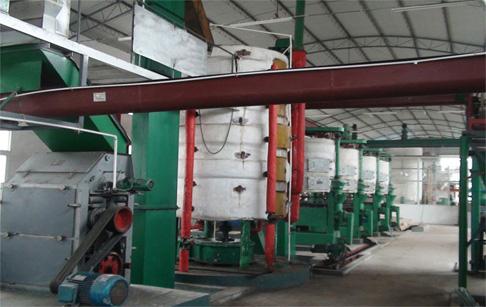
Plate and frame filter presses remain a staple in many production facilities, offering robust performance for batch processing operations. These systems utilize multiple filter plates with porous membranes to separate impurities through applied pressure, typically ranging from 8 to 15 bar. Ideal for small to medium-scale producers, they deliver exceptional particle removal efficiency—often achieving 99.7% clarity for particles above 1 micron.
While requiring more manual intervention than automated systems, plate and frame presses offer significant cost advantages with initial investment costs approximately 30-40% lower than fully automated alternatives. They excel in processing oils with higher impurity loads and are particularly favored in regions where labor costs are lower.
Vacuum filtration systems have gained prominence among exporters targeting high-end markets by delivering superior clarity and extended shelf life. Operating under negative pressure conditions (typically -0.06 to -0.08 MPa), these systems effectively remove both particulate matter and dissolved gases that contribute to oxidation and rancidity.
Industry data shows that vacuum-filtered sunflower oil maintains its quality for 12-18 months under proper storage conditions, compared to 6-9 months for conventionally filtered oils. This extended shelf life translates directly to reduced waste and higher customer satisfaction in international markets.
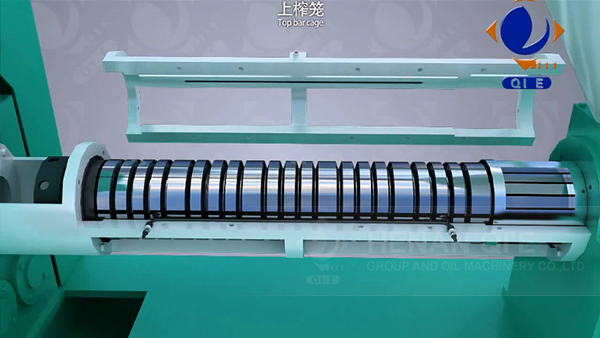
For large-scale producers handling over 50,000 liters per day, centrifugal filtration systems offer unmatched throughput and efficiency. These machines utilize centrifugal force (ranging from 3,000 to 6,000 G-force) to separate impurities based on density differentials, enabling continuous operation with minimal downtime.
Modern centrifugal systems achieve separation efficiencies of 99.9% for particles greater than 0.5 microns while consuming 20-30% less energy per liter processed compared to traditional methods. Their automated operation reduces labor requirements by up to 75%, making them particularly attractive for facilities operating 24/7 production cycles.
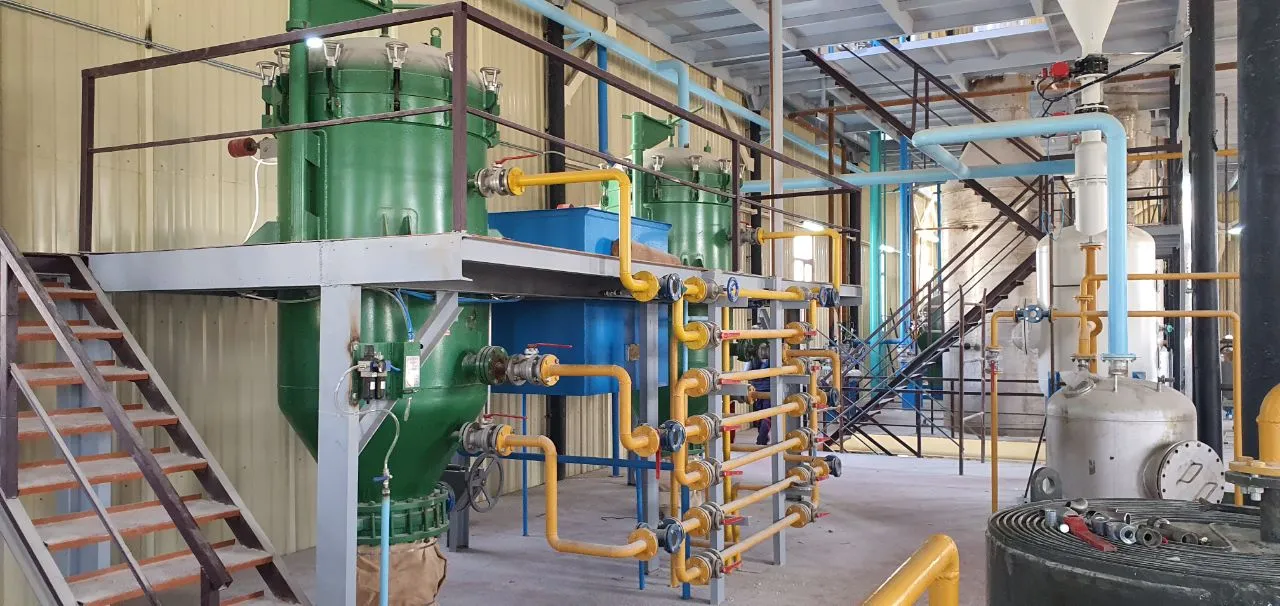
Pressure leaf filters represent the pinnacle of filtration technology for high-volume sunflower oil production, combining large processing capacity with exceptional clarity. These systems feature multiple filter leaves mounted in a horizontal or vertical pressure vessel, operating at pressures between 6 and 10 bar.
With processing capacities ranging from 10,000 to 200,000 liters per hour, pressure leaf filters are designed for integration into fully automated production lines. Their modular design allows for easy scalability as production demands grow, while advanced control systems maintain consistent filtration quality even during variable feed conditions.
The tangible benefits of advanced filtration technology directly impact a producer's bottom line and market position. Laboratory analysis confirms that properly filtered sunflower oil demonstrates:
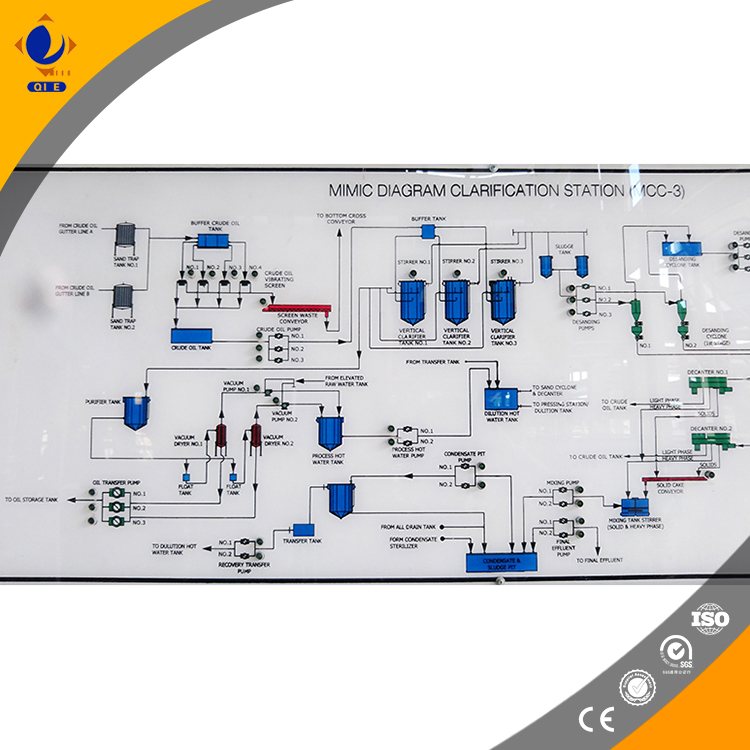
Choosing the right filtration technology requires careful consideration of production volume, target markets, and quality requirements. A mid-sized producer targeting European food manufacturers might prioritize vacuum filtration for its superior clarity and shelf-life benefits, while a large-scale operation supplying industrial buyers could benefit more from centrifugal systems' high throughput capabilities.
Case Study: A Ukrainian sunflower oil exporter increased its EU market share by 35% within 18 months of implementing a hybrid filtration system combining centrifugal pre-filtration with vacuum polishing. The investment resulted in a 19% price premium and reduced product returns by 42% due to improved stability.
When evaluating filtration options, consider not only initial capital expenditure but also long-term operating costs, maintenance requirements, and energy consumption. Modern systems with automated cleaning cycles and energy recovery features can deliver ROI within 12-24 months through improved product quality and operational efficiency.
Discover how our advanced filtration systems can help you meet international quality standards, extend shelf life, and command premium prices in global markets.
Request Your Custom Filtration SolutionAs global markets become increasingly competitive, sunflower oil producers cannot afford to compromise on filtration quality. The right technology not only ensures compliance with international standards but also creates a tangible competitive advantage that translates directly to market share and profitability. By investing in advanced filtration systems, B2B exporters position themselves to meet the evolving demands of discerning buyers while future-proofing their operations against changing regulatory requirements and consumer expectations.