In today's global edible oil market, sunflower oil has established itself as a consumer favorite, with global production exceeding 20 million metric tons annually. However, this popularity has led to intensified competition, where product quality has become the defining factor for market success. Recent industry reports indicate that consumers are increasingly willing to pay 15-20% premium for high-quality, clear, and impurity-free sunflower oil, making advanced filtration technology a strategic investment for producers looking to gain competitive advantage.
Market analysis shows that the global sunflower oil market is projected to grow at a CAGR of 4.2% from 2023 to 2028, reaching a value of over $24 billion. This growth is driven by increasing health consciousness and the oil's perceived benefits, including high vitamin E content and favorable fatty acid profile. However, with major producing countries like Ukraine, Russia, Argentina, and Romania intensifying their output, differentiation through quality has become essential.
Industry studies reveal that 68% of purchasing decisions in the B2B sunflower oil market are influenced by product clarity and purity, while 53% of consumers cite "visual appearance" as a key factor in retail purchases. These statistics underscore the critical role that filtration technology plays in determining market success.
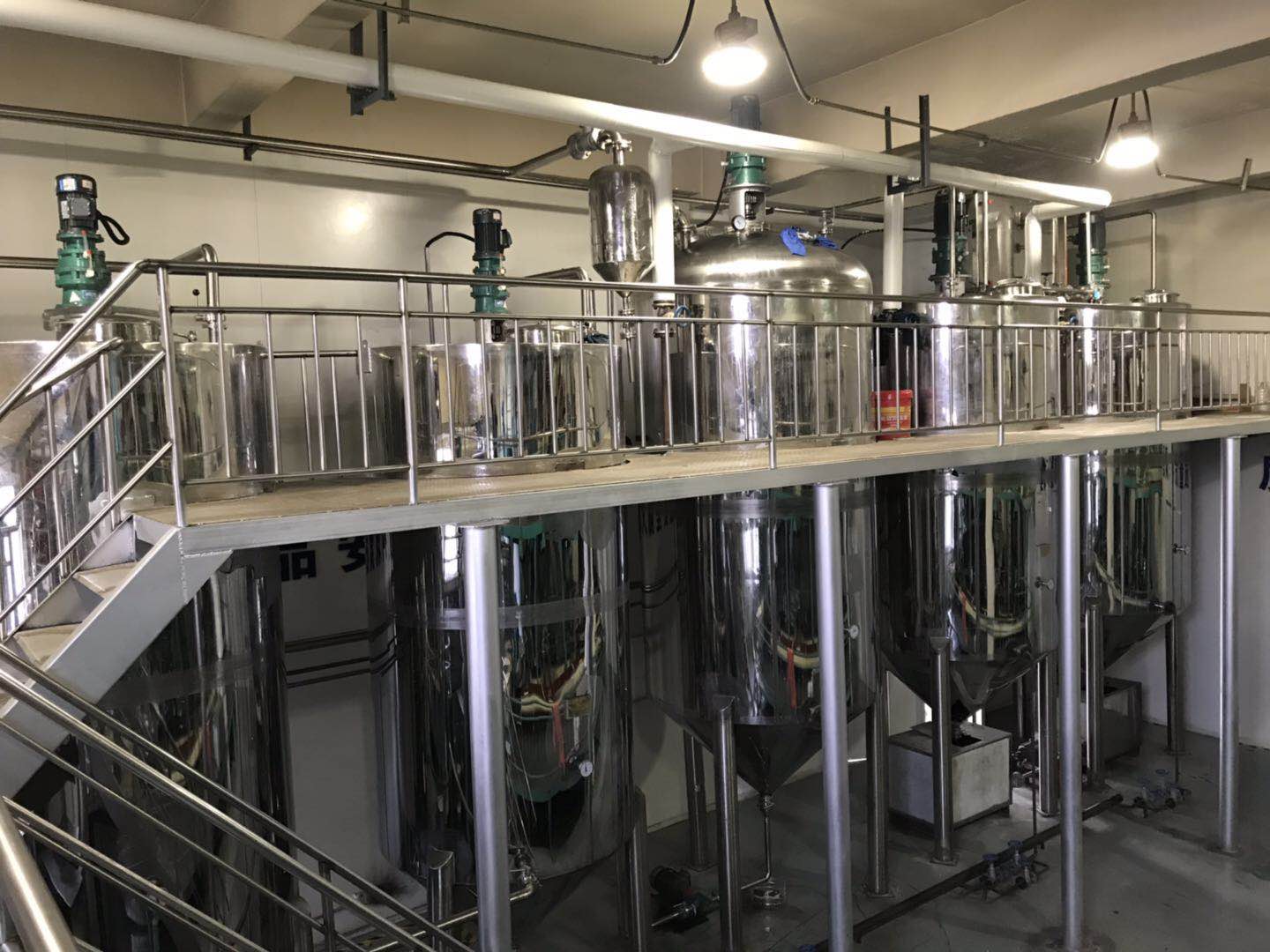
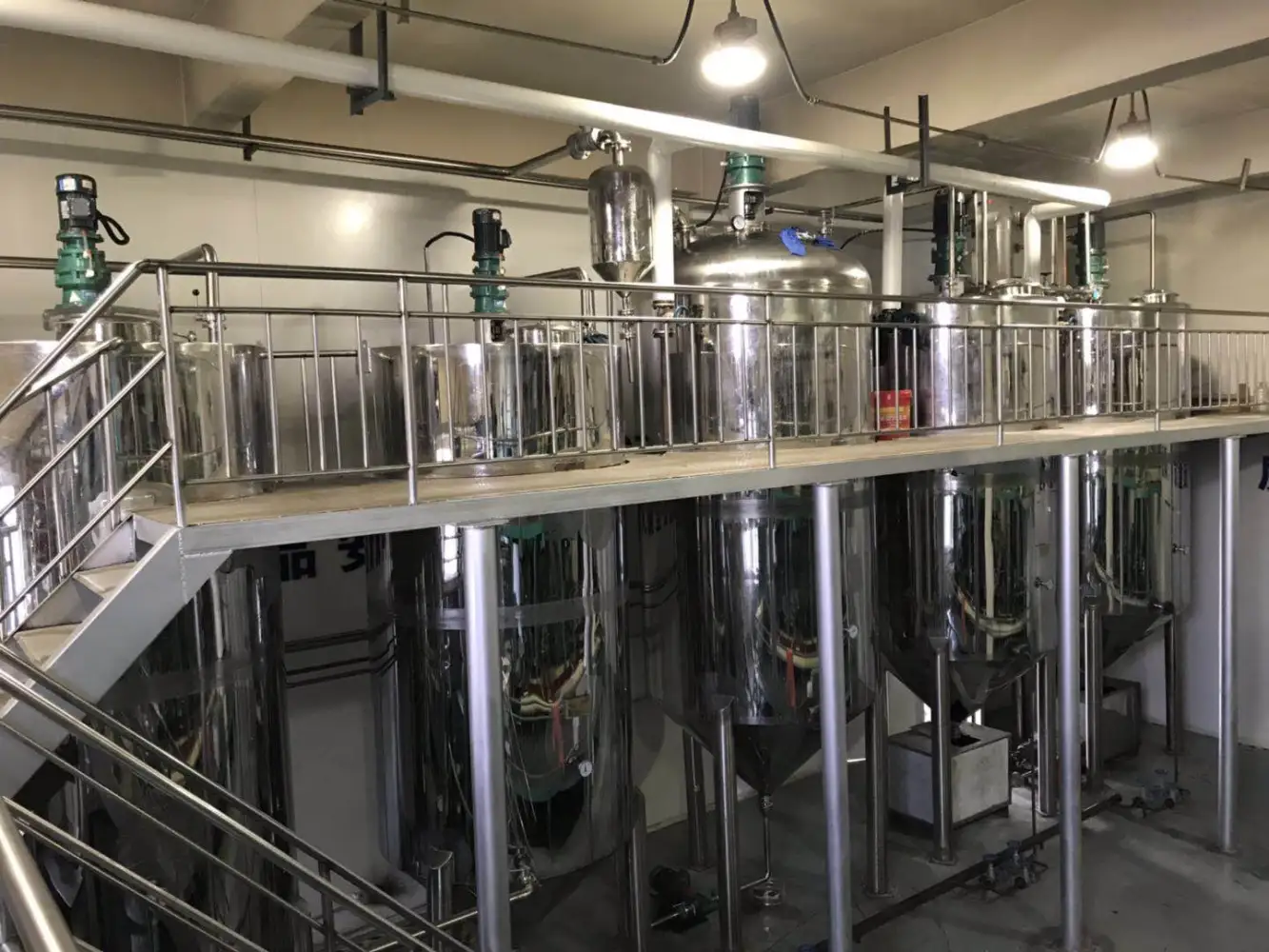
Effective oil filtration is not a one-size-fits-all process. Different production scales and quality requirements necessitate different filtration technologies, each with its unique advantages and applications:
| Filtration Technology | Efficiency Rate | Energy Consumption | Ideal Application |
|---|---|---|---|
| Plate and Frame Filter Press | 92-95% | Medium | Small to medium scale production |
| Vacuum Oil Filter | 96-98% | High | Premium quality requirements |
| Centrifugal Oil Filter | 94-97% | High | Large scale, continuous production |
| Pressure Leaf Filter | 97-99% | Medium-High | High-end specialty oils |
Investing in proper filtration technology delivers multiple advantages that directly impact a producer's bottom line and market position:
Advanced filtration removes 99% of suspended particles, resulting in a clear, bright oil that meets the visual quality standards consumers demand. This clarity not only improves shelf appeal but also allows for better color consistency batch after batch.
By removing peroxides and other oxidation promoters, effective filtration can extend sunflower oil's shelf life by 30-40%, significantly reducing product waste and inventory costs while improving customer satisfaction with longer-lasting products.
Modern automated filtration systems reduce labor requirements by up to 65% compared to manual systems. When combined with energy-efficient designs, producers can achieve a return on investment within 12-18 months through reduced operational costs.
The choice of filtration media significantly impacts both the quality of the final product and the efficiency of the filtration process. While traditional filter cloths remain common, advanced synthetic media and membrane technologies are gaining traction:
Industry data suggests that upgrading to advanced filtration media can improve impurity removal rates by 20-30% while reducing filter更换频率 by 40%, resulting in lower maintenance costs and less production downtime.
As labor costs rise and production scales increase, automation has become a key consideration in filtration system design. Modern automated systems offer:
Case studies from leading sunflower oil producers show that implementing automated filtration systems has resulted in 25-35% higher throughput with consistent quality, while reducing labor costs by an average of $85,000 annually for medium-scale operations.
Discover how our advanced filtration solutions can help you achieve 99% impurity removal, extend shelf life by up to 40%, and command premium prices in competitive markets.
Get Your Custom Filtration Solution NowOur team of filtration experts will analyze your production needs and recommend the optimal system for maximum quality and efficiency.
Selecting the right filtration technology is no longer just about meeting basic quality standards—it's about gaining a measurable competitive advantage in a crowded market. As consumer expectations continue to rise and global competition intensifies, the producers who invest strategically in filtration technology today will be the market leaders of tomorrow. With the right system in place, you can consistently deliver the high-quality sunflower oil that modern buyers demand, while optimizing your production costs and operational efficiency.