
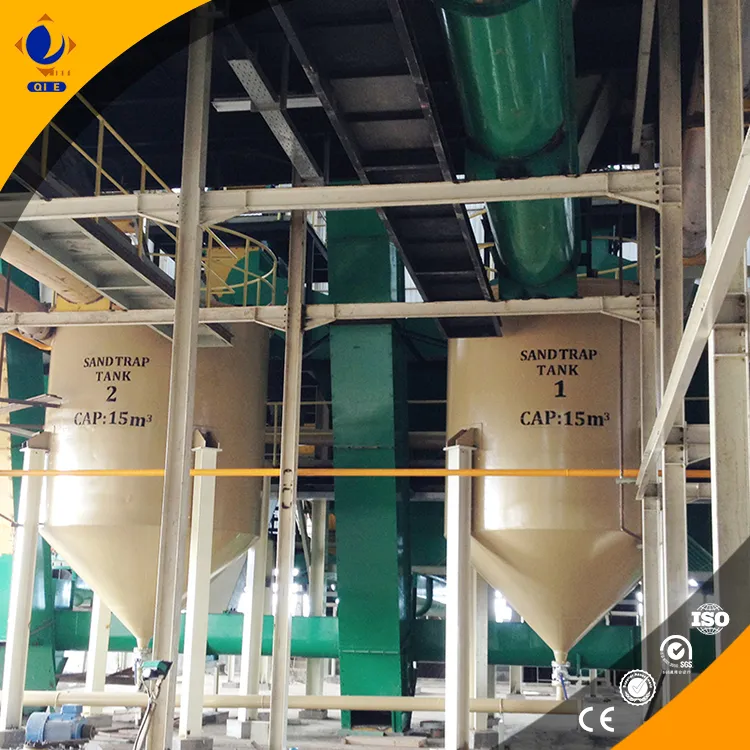
You're not alone if your sunflower oil isn’t as clear or stable as it should be. In fact, over 60% of small-to-mid-scale edible oil producers report inconsistent filtration results—leading to off-flavors, shorter shelf life, and even compliance issues with EU or FDA standards.
Most operators underestimate how much solid residue (like phospholipids, free fatty acids, and seed particles) affects final quality—even at just 0.5%. That’s why choosing the right filter matters more than you think. For example:
Think about it: a single clogged filter can cause downtime lasting 2–4 hours. With manual cleaning, that’s 30+ minutes lost per cycle. Automation isn’t luxury—it’s efficiency.
Check two things daily:
Pro tip: Use food-grade stainless steel components (304/316L). They resist corrosion, reduce contamination risk, and extend machine life by 3–5 years vs. carbon steel models.
If your team spends more than 15% of shift time on manual filter maintenance, yes. Automated systems cut labor costs by ~30% and improve consistency—especially important when scaling output from 2 to 5 tons/day.
Your equipment isn't just a tool—it's part of your brand promise. Clean oil = trusted product. Stable yield = predictable profit. And smart filtration? It’s the invisible engine behind both.
Get our free guide: “Top 5 Mistakes That Ruin Sunflower Oil Clarity” + a checklist for selecting the right filter for your scale.
Download Now →Got a specific challenge with your current setup? Leave a comment below—we’ll help you troubleshoot based on real-world cases from Asia, Europe, and Latin America.








 <#else>


