Selecting the right sunflower oil filtering equipment is a critical decision that directly impacts your production efficiency, product quality, and bottom line. Whether you're running a small family operation or a large-scale industrial facility, the choice of filtration technology can mean the difference between crystal-clear oil that commands premium prices and substandard product that struggles in the market.
The filtration process removes impurities, free fatty acids, and particulate matter from crude sunflower oil, enhancing both appearance and shelf life. Four primary technologies dominate the industry, each with distinct advantages for specific production scenarios:
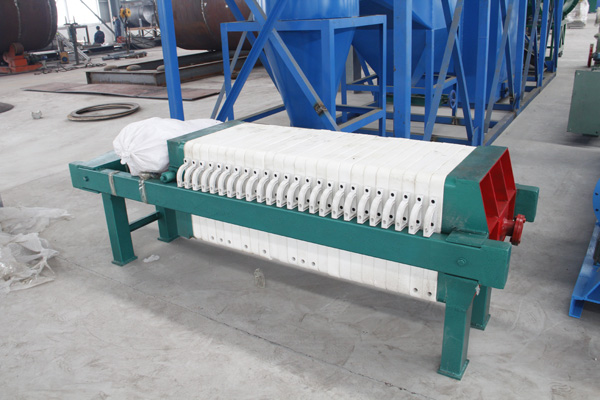
This traditional filtration method uses alternating plates and frames to create chambers for filter media. Oil is pumped through under pressure, leaving impurities trapped in the filter cloth.
Best for: Small to medium operations (50-500 liters/hour)
Advantages include low initial investment and high filtration precision (down to 1-5 microns), making it ideal for producing premium, clear oil with 98%+ clarity that meets strict quality standards.
Operating under vacuum conditions, these systems effectively remove moisture and volatile components while filtering out particulate matter. The vacuum environment helps preserve the oil's natural properties.
Best for: Medium operations (300-1500 liters/hour)
Vacuum filtration typically achieves 30% higher throughput than plate and frame systems while maintaining excellent oil quality, reducing processing time significantly.
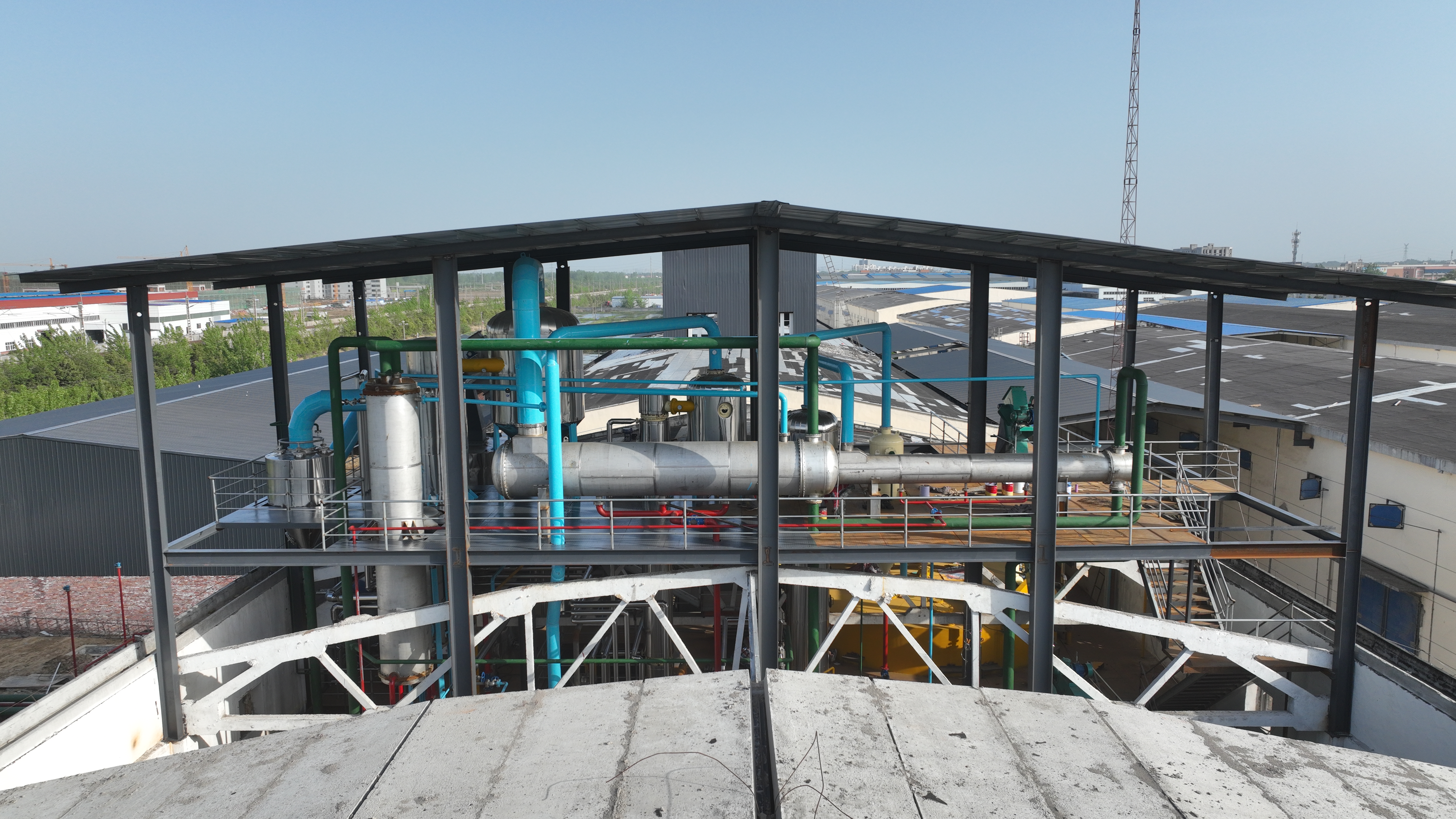
Utilizing centrifugal force, these systems separate impurities by density differences, requiring minimal filter media. They offer continuous operation with high throughput capabilities.
Best for: Large-scale operations (1000-5000+ liters/hour)
The centrifugal process reduces operating costs by up to 40% on filter media expenses while delivering consistent results even with variable feedstock quality.
Featuring vertical or horizontal leaves covered in filter media, these systems provide high filtration area in a compact design, suitable for both batch and continuous operation.
Best for: Medium to large operations (800-3000 liters/hour)
Pressure leaf filters excel at handling high-viscosity oils and can reduce impurity levels to less than 5 ppm, significantly extending product shelf life.
Selecting equipment based on your production volume ensures optimal performance and cost efficiency. Mismatched equipment often leads to excessive energy consumption, production bottlenecks, or unnecessary capital expenditure.
| Production Scale | Recommended Technology | Capacity Range | Key Advantage |
|---|---|---|---|
| Small (Artisanal) | Plate and Frame Press | 50-500 L/h | Low initial investment, high quality |
| Medium (Commercial) | Vacuum or Pressure Leaf | 300-3000 L/h | Balanced throughput and quality |
| Large (Industrial) | Centrifugal + Pressure Leaf | 1000-10,000+ L/h | High throughput, minimal labor |
The required clarity and purity depend on your target market. Food-grade sunflower oil typically requires filtration down to 1-5 microns, while industrial applications may accept higher particulate levels. Higher precision filtration can increase product value by 15-20% in premium markets.
Labor costs and production continuity should influence your automation decision. Fully automated systems reduce labor requirements by 60-70% compared to manual operation, though they represent a higher initial investment. Consider your long-term production goals when evaluating automation options.
For food-grade applications, 304 or 316 stainless steel construction is essential to prevent contamination and meet food safety regulations. Proper material selection reduces maintenance costs by 35% over the equipment lifecycle and ensures compliance with international food safety standards.
Energy-efficient systems can reduce operating costs by 25-30% annually. Additionally, consider maintenance requirements—some technologies require frequent filter media replacement, while others have higher upfront costs but lower ongoing expenses.
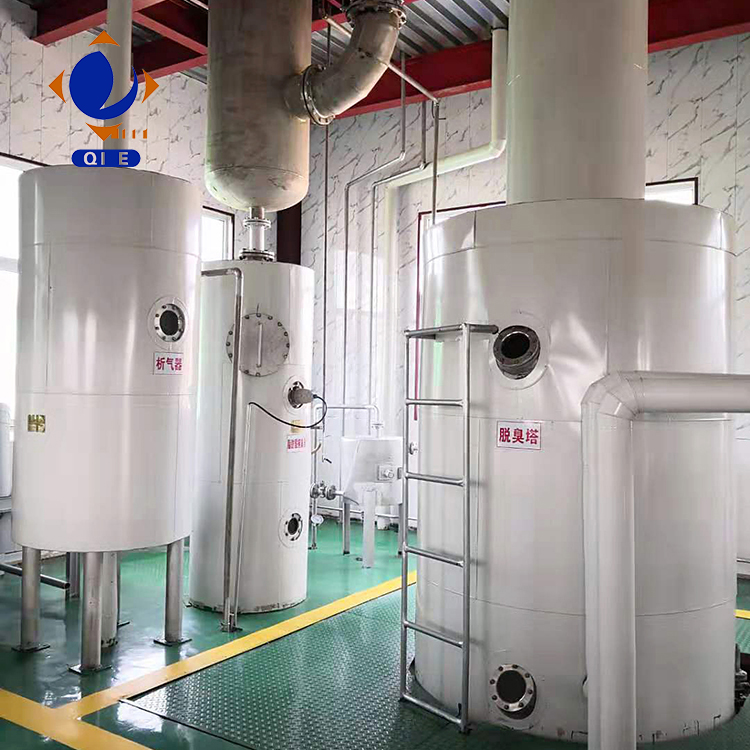
A family-owned sunflower oil producer in Romania recently upgraded from a basic plate filter to a semi-automatic vacuum filtration system. This change resulted in 40% higher daily production while improving oil clarity from 92% to 99.5%, allowing them to enter premium markets and increase profit margins by 22%.
In Ukraine, a large-scale processor implemented a centrifugal filtration system with integrated pressure leaf technology. This combination reduced impurity levels to below 3 ppm, extending shelf life by 6 months and reducing product waste by 18%, significantly improving their export competitiveness.
The right filtration equipment is an investment that pays dividends through improved product quality, increased efficiency, and higher market value. QIE Group offers tailored filtration solutions designed specifically for sunflower oil producers of all sizes.
Get Your Custom Filtration AssessmentWhen evaluating potential suppliers, look for those with specific experience in edible oil processing. A provider familiar with sunflower oil's unique properties will better understand your needs and can recommend equipment that maximizes both quality and efficiency. Consider not just the initial purchase price, but the total cost of ownership over the equipment's lifetime—including energy use, maintenance requirements, and operational efficiency.
Remember that your filtration system should grow with your business. Modular designs allow for capacity expansion without complete equipment replacement, protecting your investment as your production needs evolve. With careful planning and the right equipment partner, your sunflower oil filtration process can become a competitive advantage rather than just another production step.