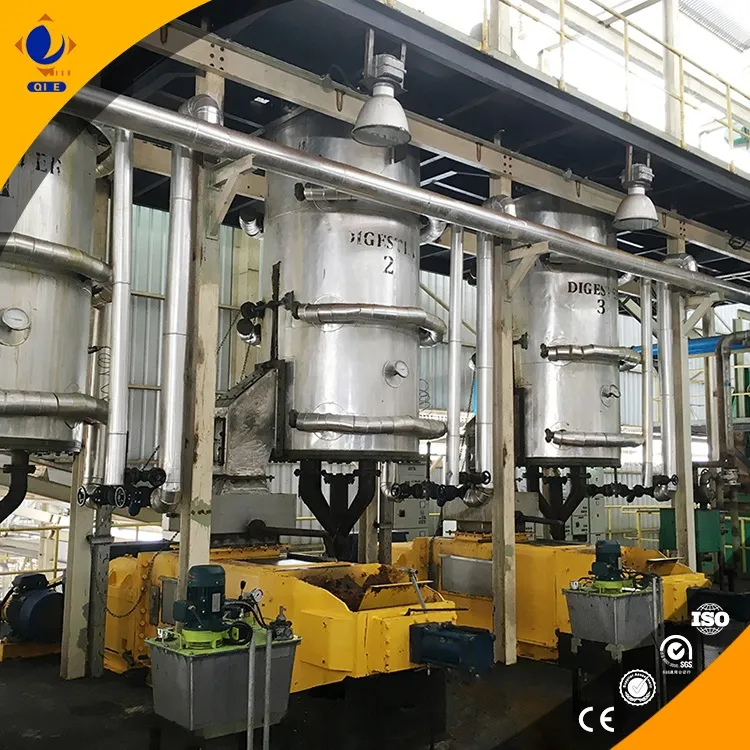
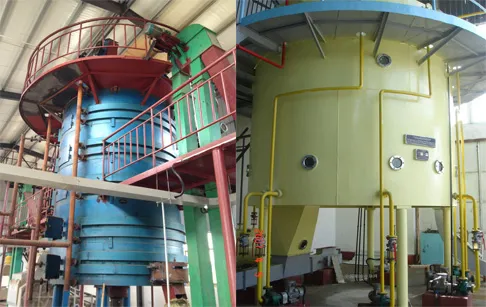
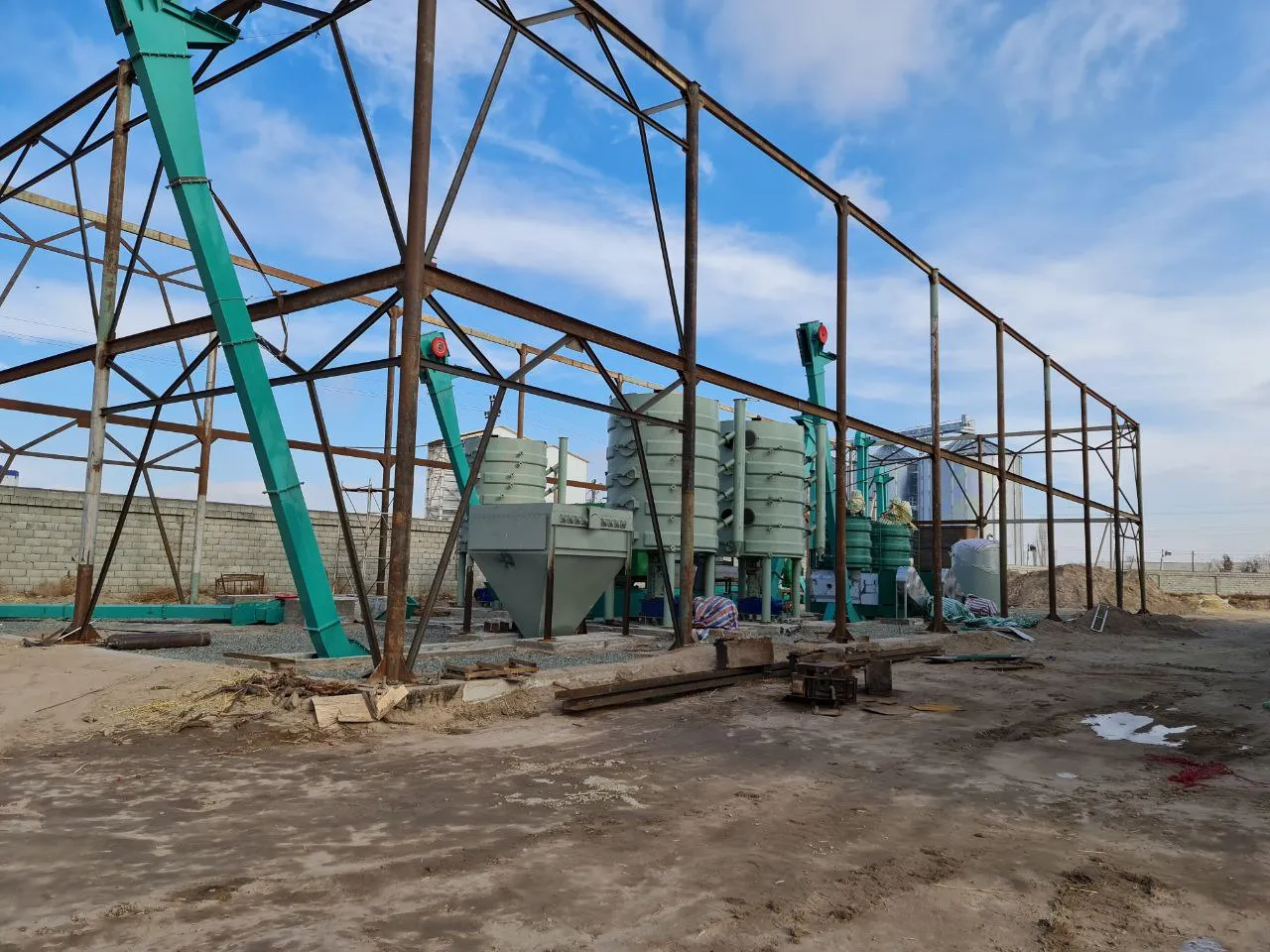
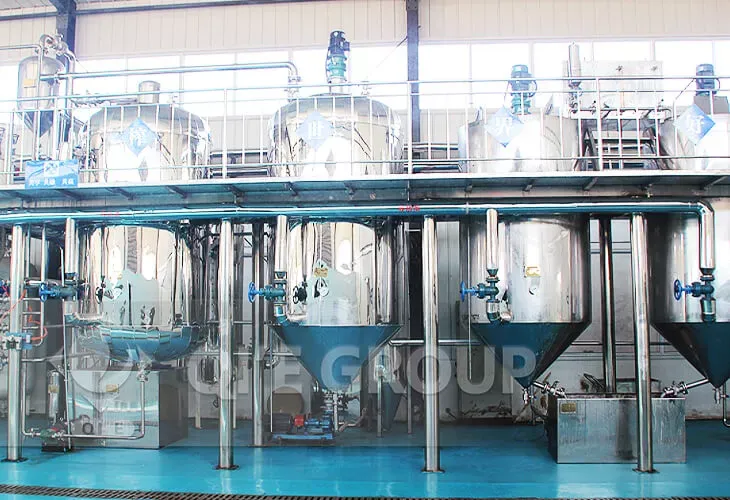
If you run a small or mid-sized oil mill, choosing the right soybean oil press machine is not a “model number” decision—it’s a process decision. Don’t pick blind. These 3 hidden settings often decide your real pressing efficiency: soybean moisture, preheating/conditioning, and pressing gap/back-pressure.
Your Real Goal: Cold-Pressed Premium Oil or Hot-Pressed High Yield?
Before you compare screw oil press vs hydraulic oil press, you need to be honest about what you’re optimizing. Most soybean lines don’t fail because the machine is “bad”—they fail because the machine was selected for the wrong objective.
If you’re aiming for premium positioning (cold press / boutique batches)
You’ll care more about stable low-temperature pressing, gentle handling, and an oil profile that supports marketing claims (aroma, color, lower oxidation risk). Your volume target is usually lower, but your customer expectation is higher.
If you’re aiming for throughput and cost control (hot press / commercial output)
You’ll care more about continuous production, easier automation, and lower labor cost per ton. You’ll accept higher processing temperature because yield and stability in a daily schedule matter more.
Question for you: What’s your current soybean moisture (%) and impurity level (%)? Drop it in the comments and you’ll get a more accurate recommendation for press type and pre-treatment.
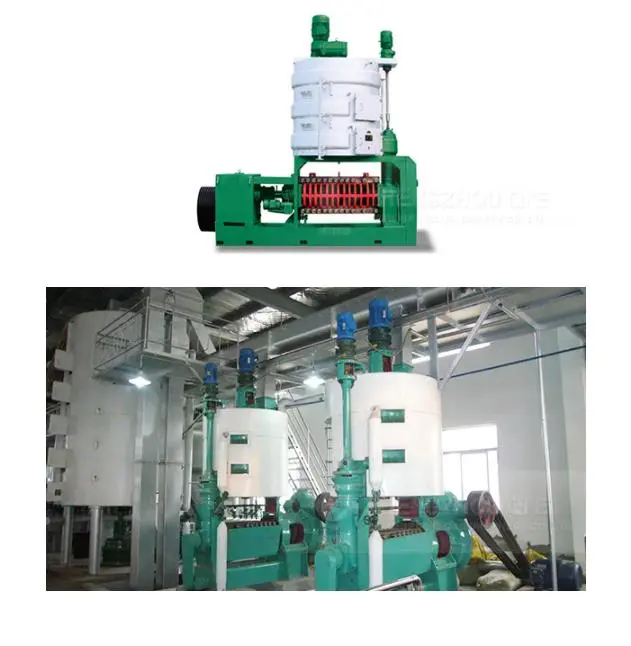
Screw vs Hydraulic: How They Actually Work (And Why It Matters)
Technical Parameters That Decide Your ROI (Not Just the Machine Type)
When you talk with suppliers, you’ll hear many “features.” Ignore the noise and ask for these parameters with real test conditions (soybean variety, moisture, conditioning temperature, and operator experience).
| Parameter | Screw Press (Typical Range) | Hydraulic Press (Typical Range) |
|---|---|---|
| Production mode | Continuous | Batch |
| Capacity (single unit) | 0.8–10 tons/day (common SME sizes) | 0.2–3 tons/day (depends on cycle time) |
| Cake residual oil (well-tuned) | ~6–9% (hot press usually lower within range) | ~8–12% (varies by cloth, pressure, and conditioning) |
| Energy consumption (pressing only) | ~55–110 kWh/ton | ~25–60 kWh/ton |
| Labor requirement | Lower (easier to run continuously) | Higher (loading/unloading cycles) |
| Maintenance focus | Screw, barrel, rings, choke; wear parts | Seals, hydraulic system, press cloth management |
Note: These are reference ranges from common SME installations and field tuning. Your actual residual oil and kWh/ton will move significantly with moisture, soybean cleanliness, and conditioning temperature.
Oil Quality vs Yield: The Trade-Off You Can Control
In soybean pressing, the “quality vs yield” debate is often oversimplified. You can push yield without destroying quality—if you control three process levers.
Lever #1: Moisture control (the fastest win)
For many soybean batches, keeping moisture around 9–11% helps the press build stable pressure without “slipping” or producing overly wet cake. A moisture swing of just +1.5% can noticeably increase cake residual oil and reduce throughput stability.
Lever #2: Conditioning temperature (hot press needs discipline)
A controlled conditioning range of roughly 60–95°C (depending on your line design and target) improves oil release and lowers viscosity for separation. Overheating can darken oil and increase refining load, while underheating often raises residual oil and makes filtration harder.
Lever #3: Back-pressure & pressing gap (the “hidden setting”)
Many mills leave money on the table because the choke/back-pressure is set conservatively to avoid jams. In practice, optimizing back-pressure can reduce cake residual oil by about 2 percentage points (for example, from ~9% down to ~7%) when your soybeans are clean and properly conditioned.
Residual Oil in Soybean Cake: How to Push It Down Without Breaking the Line
Cake residual oil is not just a lab number—it changes your profit twice: once through lost oil, and again through how buyers value your soybean cake for feed or further processing.
Practical control checklist (SME-friendly)
- Cleanliness first: keep impurities ideally <1% to reduce wear and stabilize pressure (sand/metal is a hidden throughput killer).
- Flaking helps: moderate flaking can improve oil release and reduce channeling in the press cake structure.
- Don’t chase pressure alone: higher pressure with poor venting can trap fines, worsen filtration, and increase downtime.
- Measure daily: take cake samples at fixed times; you’ll quickly see if the drift is caused by moisture, temperature, or wear parts.
- Wear parts are process parts: on screw presses, a worn screw/barrel changes compression ratio—residual oil rises quietly before anyone notices.
If you tell me your current cake residual oil (%) and whether you run cold press or hot press, you can get a tighter range for what’s realistically achievable in your setup.
A Realistic Selection Guide for Small & Mid-Sized Soybean Oil Mills
Choose a screw soybean oil press if you need…
- Continuous output and predictable daily capacity
- Lower unit labor cost and easier operator training
- Compatibility with conditioning + filtration as a stable routine
- A path to scale: adding a second press is often simpler than doubling batch stations
Choose a hydraulic press if you need…
- Smaller specialty batches with more hands-on control
- A process designed around gentle pressing and brand storytelling (when true)
- Flexibility for multi-seed experiments (while accepting lower throughput)
- Lower pressing-only kWh/ton (but check your total system energy and labor)
The question most buyers forget to ask
“What is the test condition behind your residual oil claim?” Ask for: soybean moisture, impurity %, conditioning temperature/time, press settings, run time, and whether the reported number is an average or best result.
Mini Case Replay: When a 2% Residual Oil Drop Changes the Whole Business
Here’s a pattern you’ll recognize. A small mill runs soybeans with inconsistent moisture and modest cleaning. The screw press “works,” but cake residual oil stays around ~9%, and the operator compensates by slowing down to avoid jams.
What changed (without changing the press model)
- Added basic cleaning to push impurities closer to <1%.
- Standardized moisture to about 10% for the main supplier lots.
- Adjusted back-pressure gradually while monitoring motor load and cake temperature.
- Replaced worn pressing parts earlier instead of “running them to death.”
The practical outcome many mills see after this kind of tuning: residual oil improves by roughly 2% (e.g., 9% → 7%), throughput becomes steadier, and filtration becomes less unpredictable because fines and emulsions reduce when pressure/temperature are stable.
If you’re currently “solving” problems by slowing down the press, you’re paying for stability with capacity. Usually, process control is cheaper than buying a bigger machine.
Stop Guessing Your Soybean Oil Press Selection
If you tell us your target capacity (tons/day), soy moisture/impurity range, and whether you run cold or hot pressing, you can get a clearer match for a soybean screw oil press machine or a hydraulic oil press—plus a process checklist to protect your yield.
Get a Soybean Oil Press Machine Recommendation & Process Settings GuideReply-ready: share your soybean moisture (%), impurities (%), and desired cake residual oil (%).
One last thing to ask yourself today
Are you choosing the press based on what you want to sell—or based on what your current raw soybeans can reliably support?