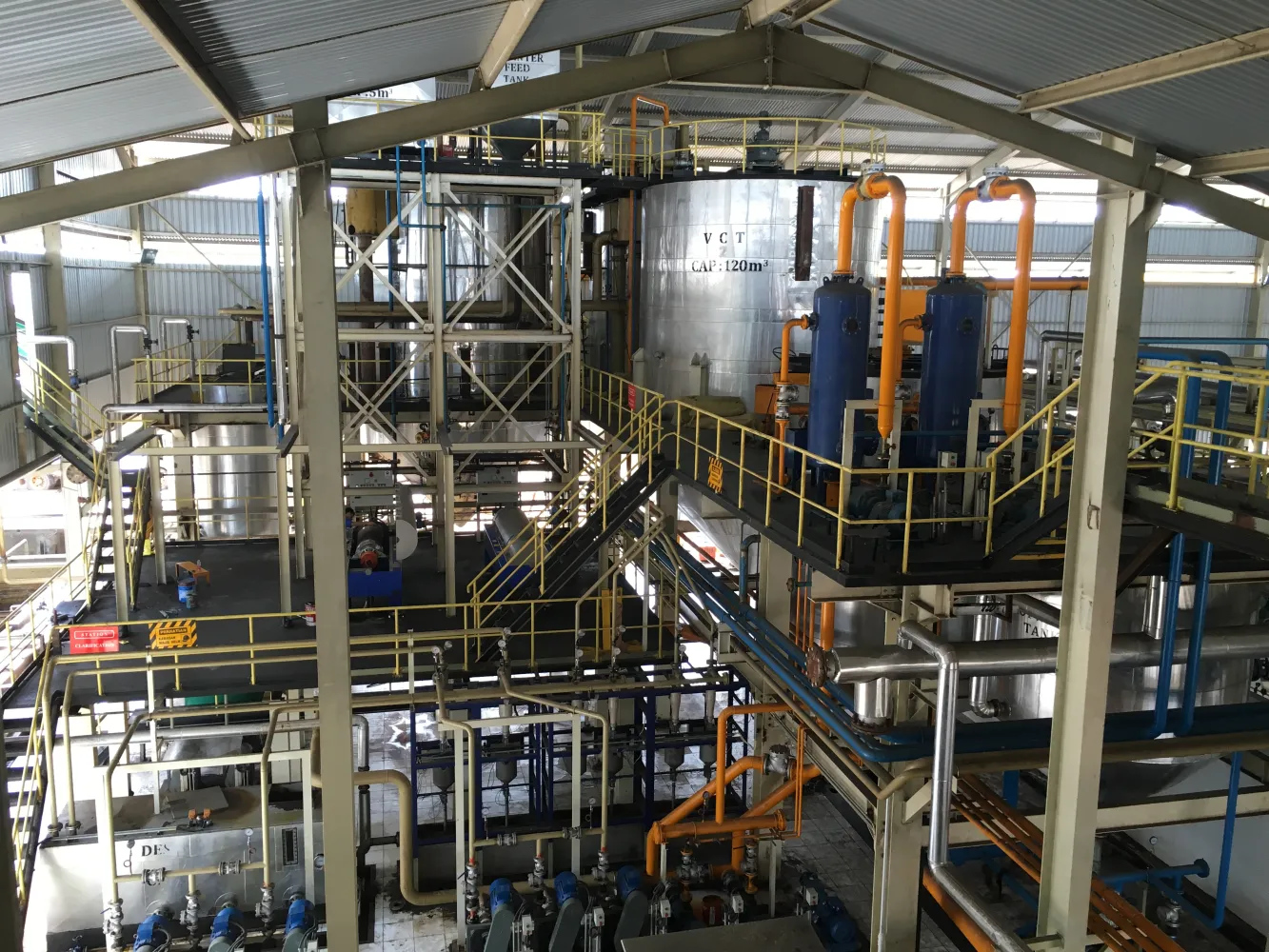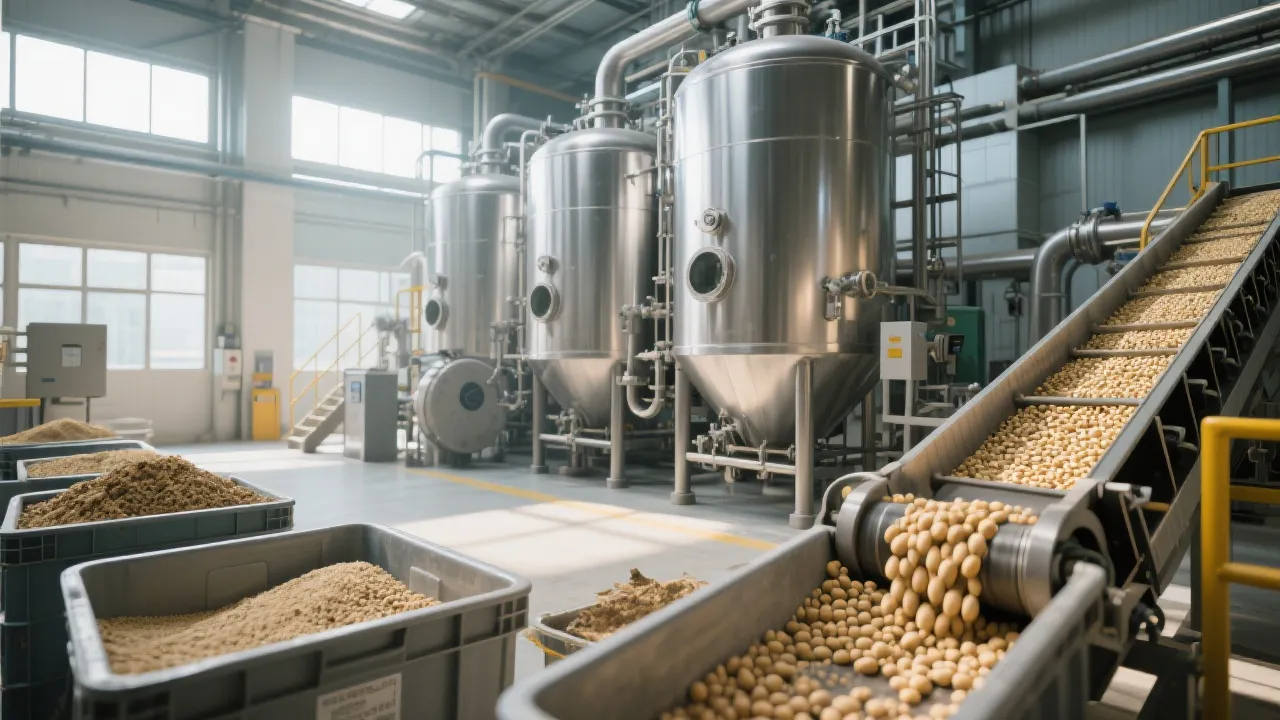
The Middle East is witnessing a rapid transformation in its edible oil consumption patterns—driven by population growth, urbanization, and rising middle-class demand for quality food products. According to the FAO’s 2024 Global Food Outlook, regional plant oil imports have increased by an average of 7.3% annually since 2020, with soybean oil accounting for over 40% of this growth due to its affordability, stability, and versatility across cooking, frying, and industrial applications.
Unlike palm oil—which faces increasing scrutiny over sustainability—the soybean oil supply chain offers a cleaner, more transparent profile that aligns with evolving consumer preferences in GCC countries like Saudi Arabia, UAE, and Qatar. These markets now prioritize not just price but also traceability, nutritional value, and compliance with local standards such as the Saudi Food & Drug Authority (SFDA) and UAE Ministry of Climate Change and Environment (MOCCAE).
For exporters, this means moving beyond commodity trading toward value-added positioning: emphasizing cold-pressed extraction methods, low free fatty acid content (<0.5%), and third-party certifications like ISO 22000 or HACCP.
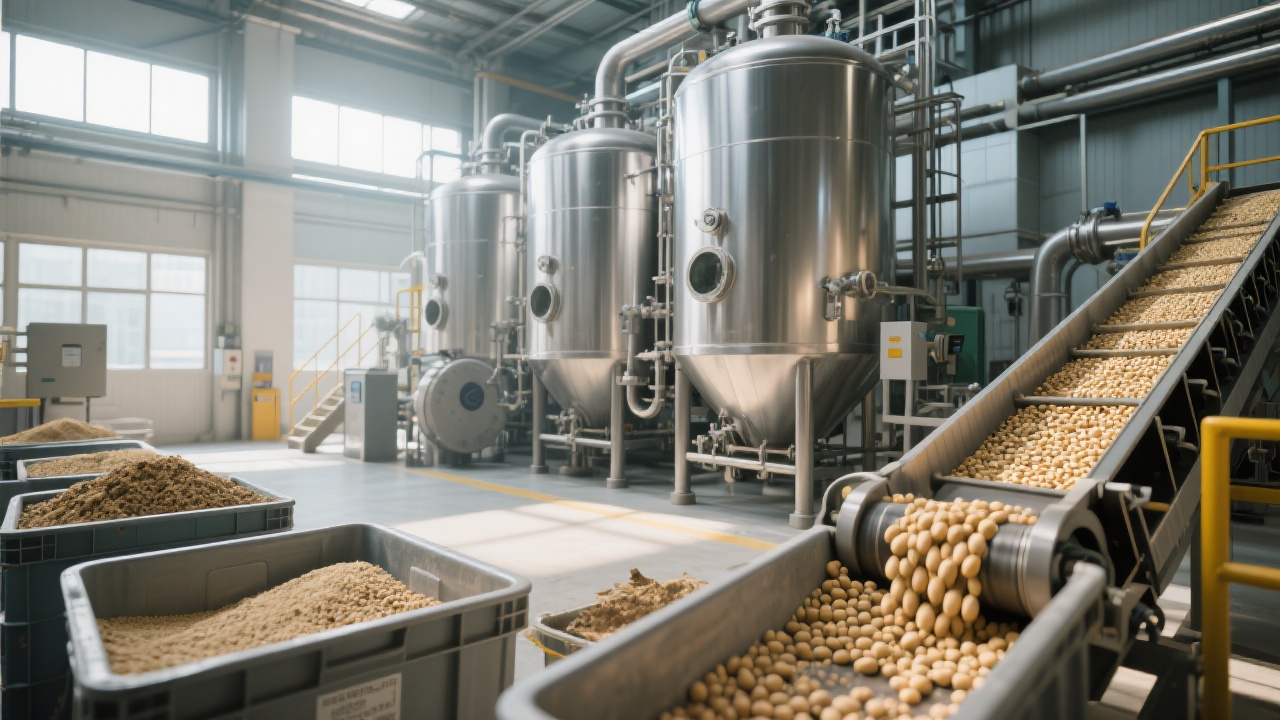
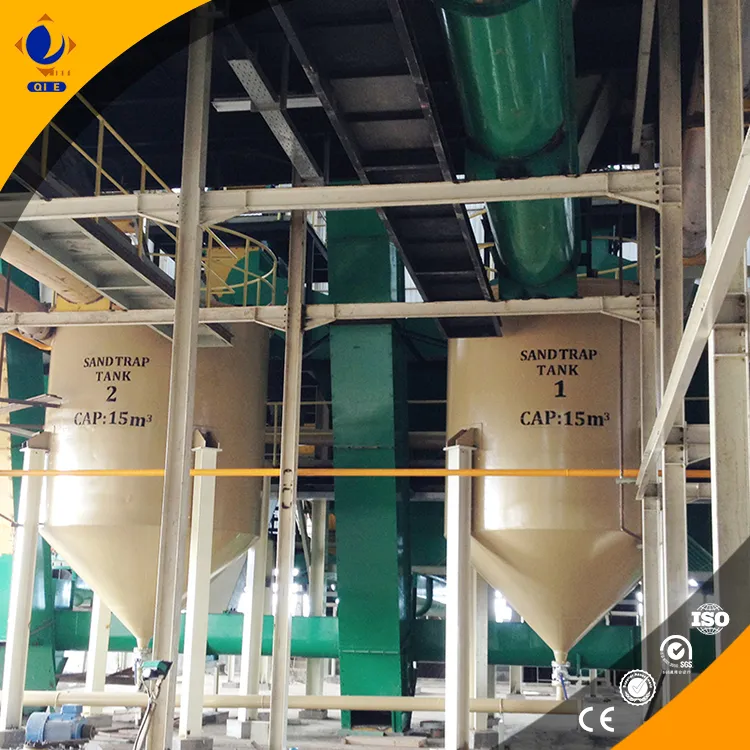
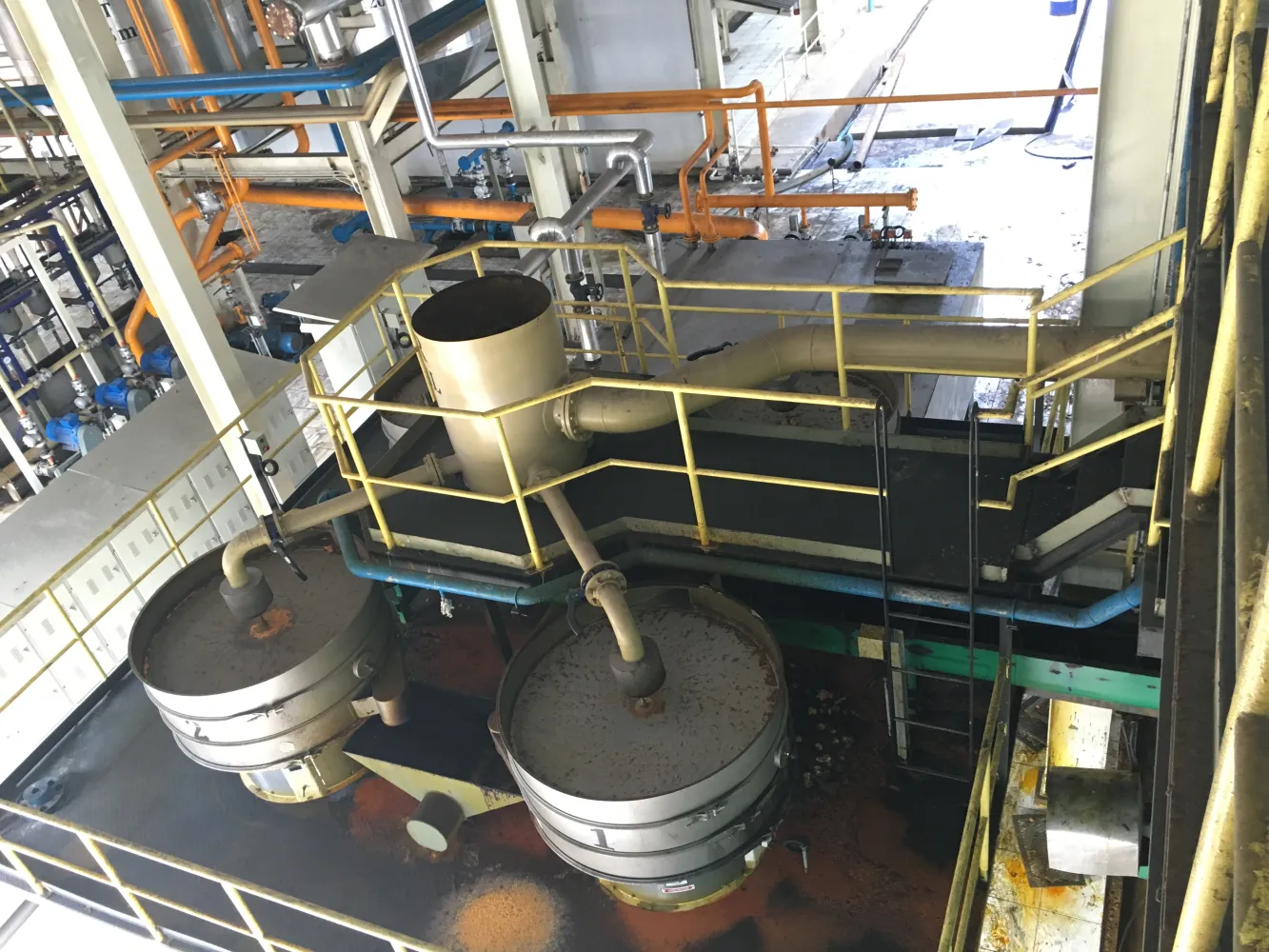
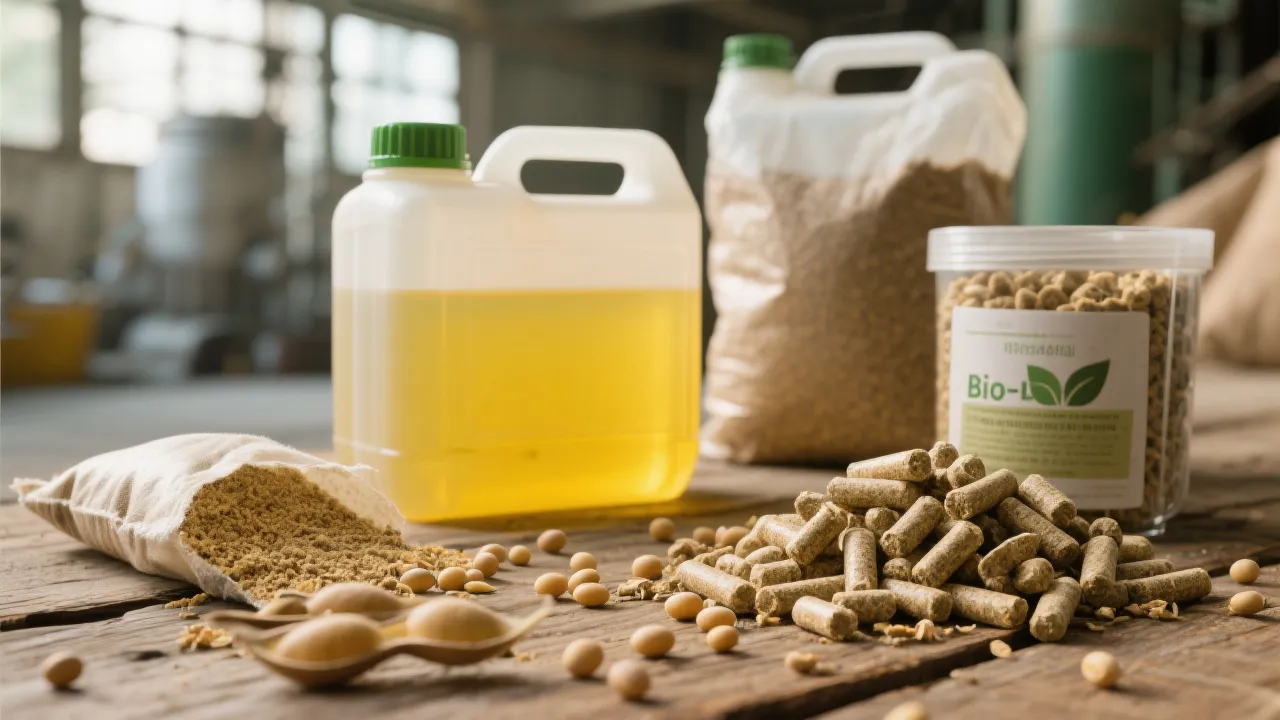
A well-optimized soybean oil plant doesn’t just produce oil—it creates a full-value ecosystem. While mechanical pressing yields premium-grade oil suitable for premium retail brands, solvent extraction remains essential for cost-efficient bulk exports. The key lies in balancing both processes based on target market segments:
| Processing Method | Best For | Typical Yield (%) |
|---|---|---|
| Mechanical Pressing | Premium retail, health-conscious buyers | ~85–90% |
| Solvent Extraction | Bulk B2B contracts, food service providers | ~95–98% |
Equally important is the use of soybean meal (SBM)—a high-protein byproduct that can be sold to livestock feed manufacturers, aquaculture farms, and even pet food producers. In the UAE alone, SBM demand grew by 12% YoY in 2023, offering a secondary revenue stream that strengthens margins without additional capital investment.
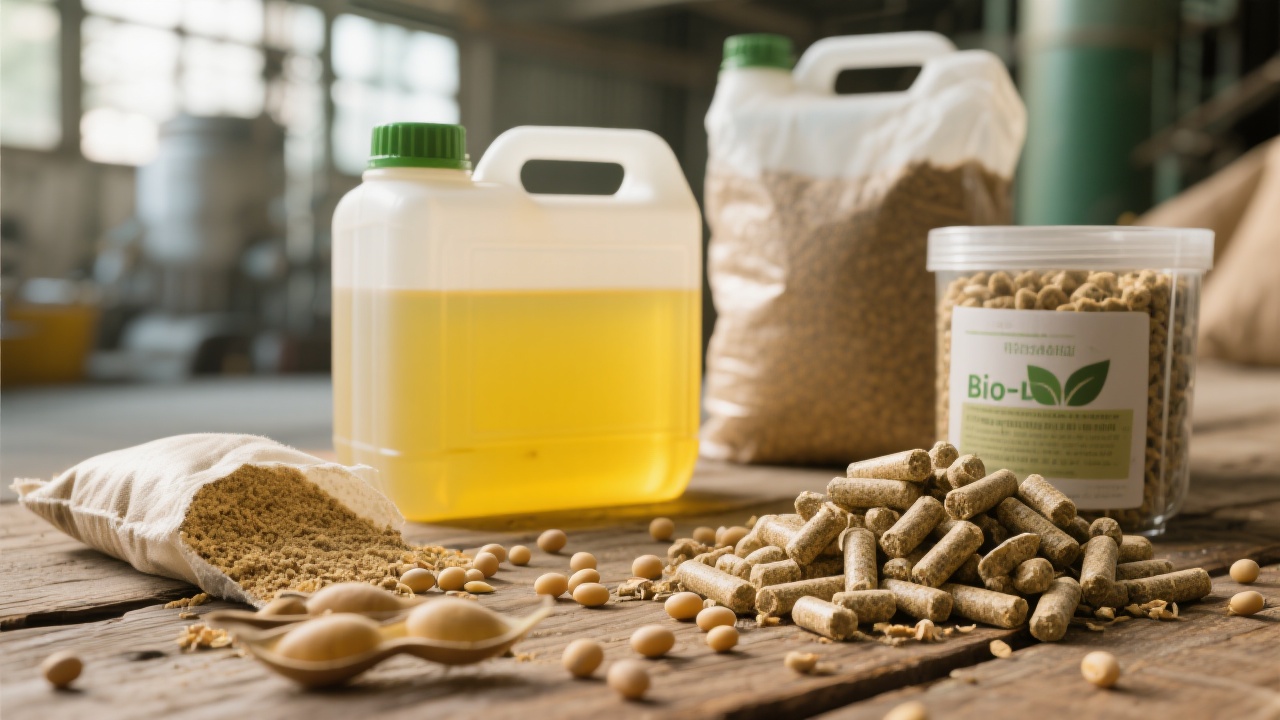
In today’s digital-first B2B landscape, a strong online presence isn’t optional—it’s foundational. Exporters should focus on three pillars:
Most importantly, engage early—not with discounts, but with data. Provide technical sheets, lab reports, and testimonials from existing clients in the region. This builds credibility faster than any sales pitch ever could.
Ready to scale your soybean oil exports to the Middle East?
Explore Our Export Solutions Now