Across rural communities worldwide, agricultural producers face a common challenge: capturing fair value from their harvests. For sunflower farmers, this often means selling raw seeds at commodity prices, missing out on the significant profits generated through processing. However, a growing movement is changing this paradigm—small-scale sunflower oil processing plants are emerging as powerful engines for rural economic development, creating sustainable income streams and fostering community growth.
Consider this: A farmer selling sunflower seeds typically receives only 30-35% of the final value of the oil extracted from those seeds. The remaining 65-70% goes to processors, distributors, and retailers. This value gap represents untapped potential for rural communities. According to the Food and Agriculture Organization (FAO), agricultural processing can increase farmer income by 40-60% by capturing this value locally rather than exporting raw commodities.
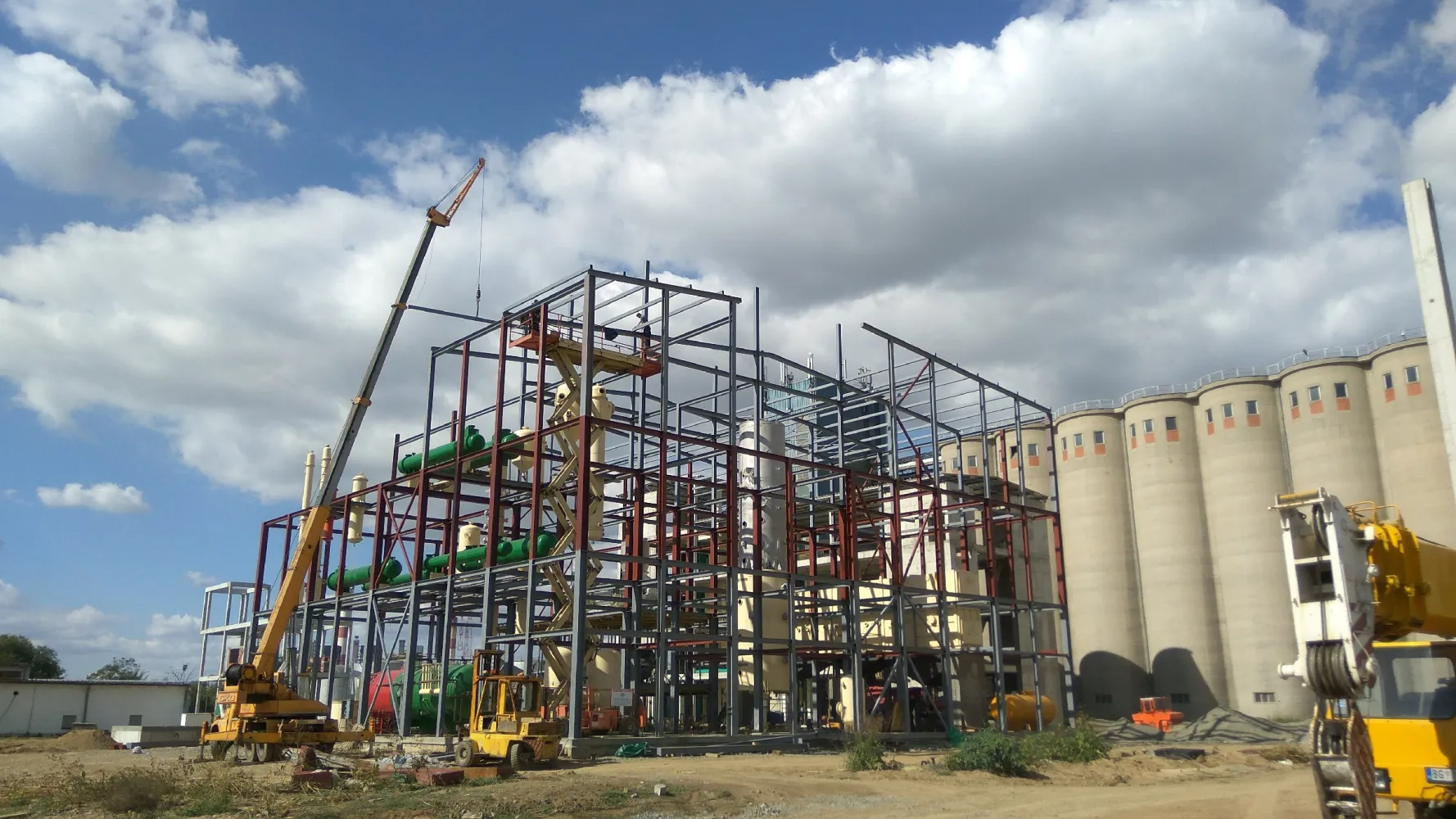
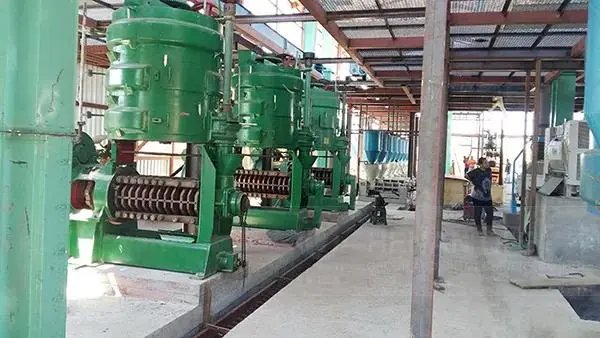
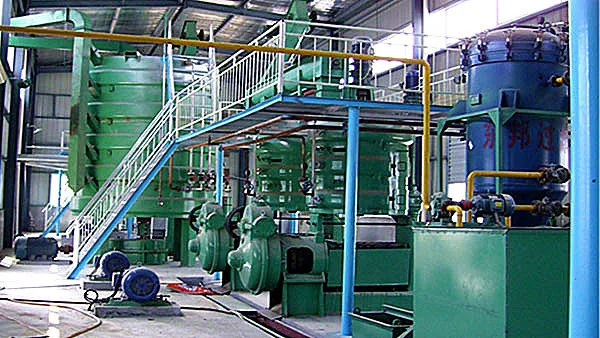
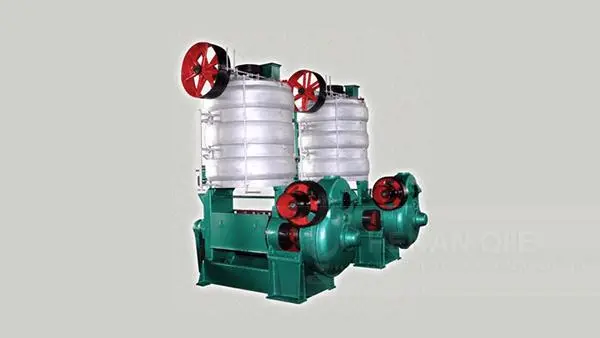
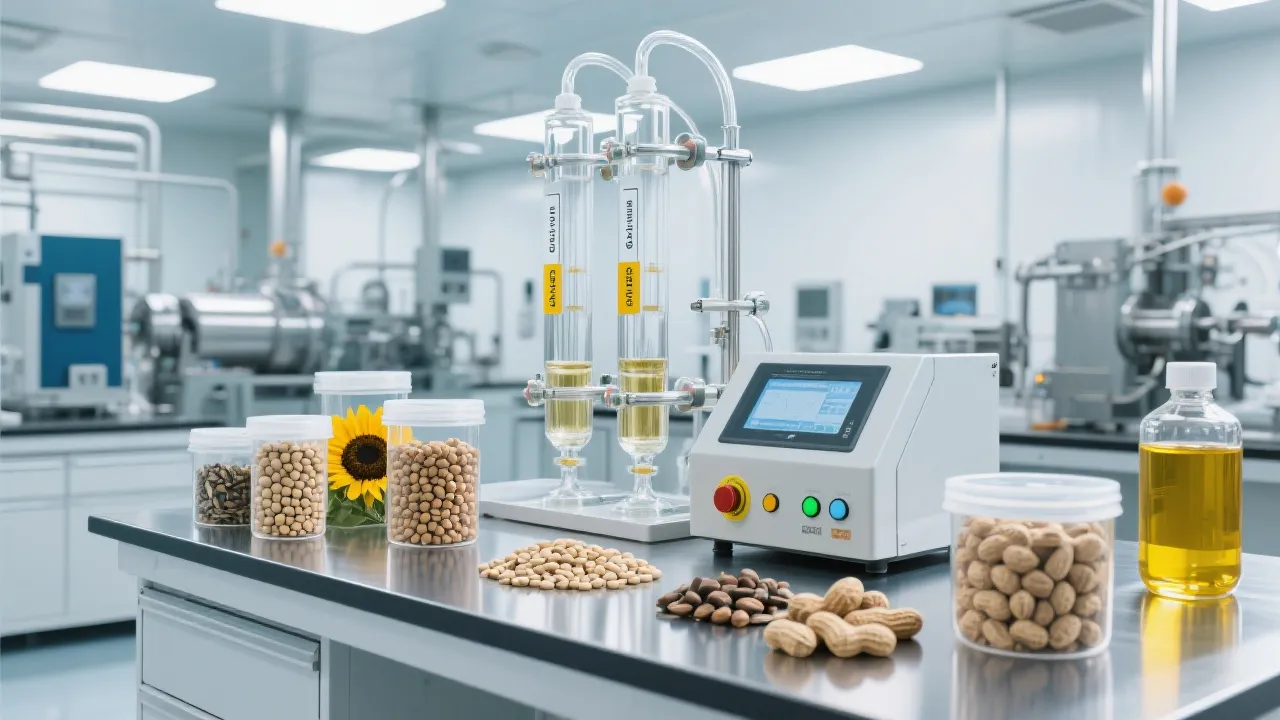
Modern small-scale processing technology has transformed what was once an industrial-scale operation into a feasible venture for rural entrepreneurs. These compact processing lines typically include four core components: cleaning equipment to remove impurities, oil expellers for mechanical pressing, filtering systems to clarify the oil, and simple bottling units for final product packaging.
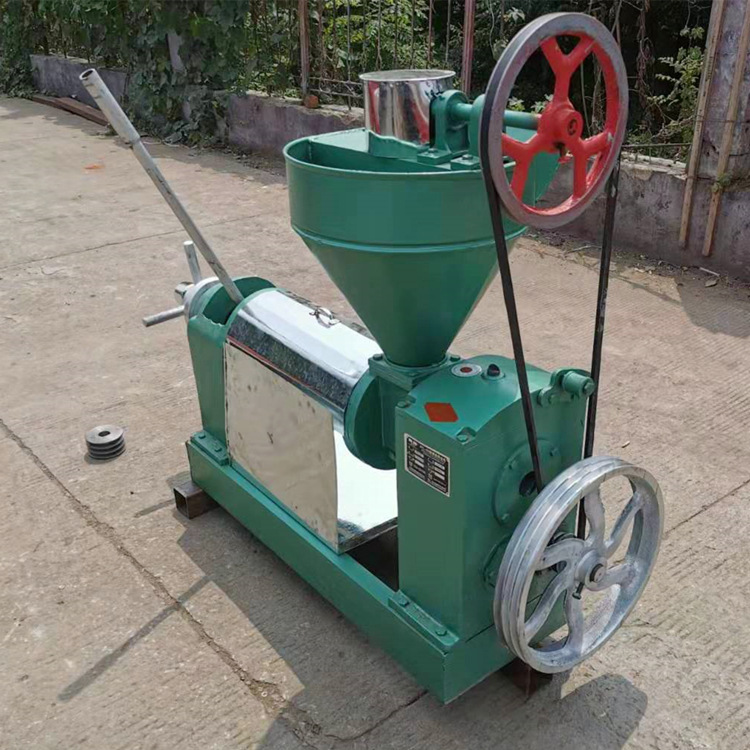
What makes these systems particularly attractive is their scalability and manageable startup requirements. A basic processing unit with a capacity of 50-100 kg of seeds per hour can be established with moderate investment, making it accessible to farmer cooperatives and local entrepreneurs. The equipment is designed for easy operation and maintenance, requiring minimal technical expertise—a critical factor for rural implementation.
The production process begins with seed selection and cleaning, removing stones, dirt, and broken seeds that could affect oil quality. The cleaned seeds then undergo gentle roasting to optimize oil yield—a step that also develops the oil's characteristic flavor profile. The mechanical pressing process extracts approximately 85-90% of the available oil, with the remaining seed cake serving as high-protein animal feed, creating an additional revenue stream.
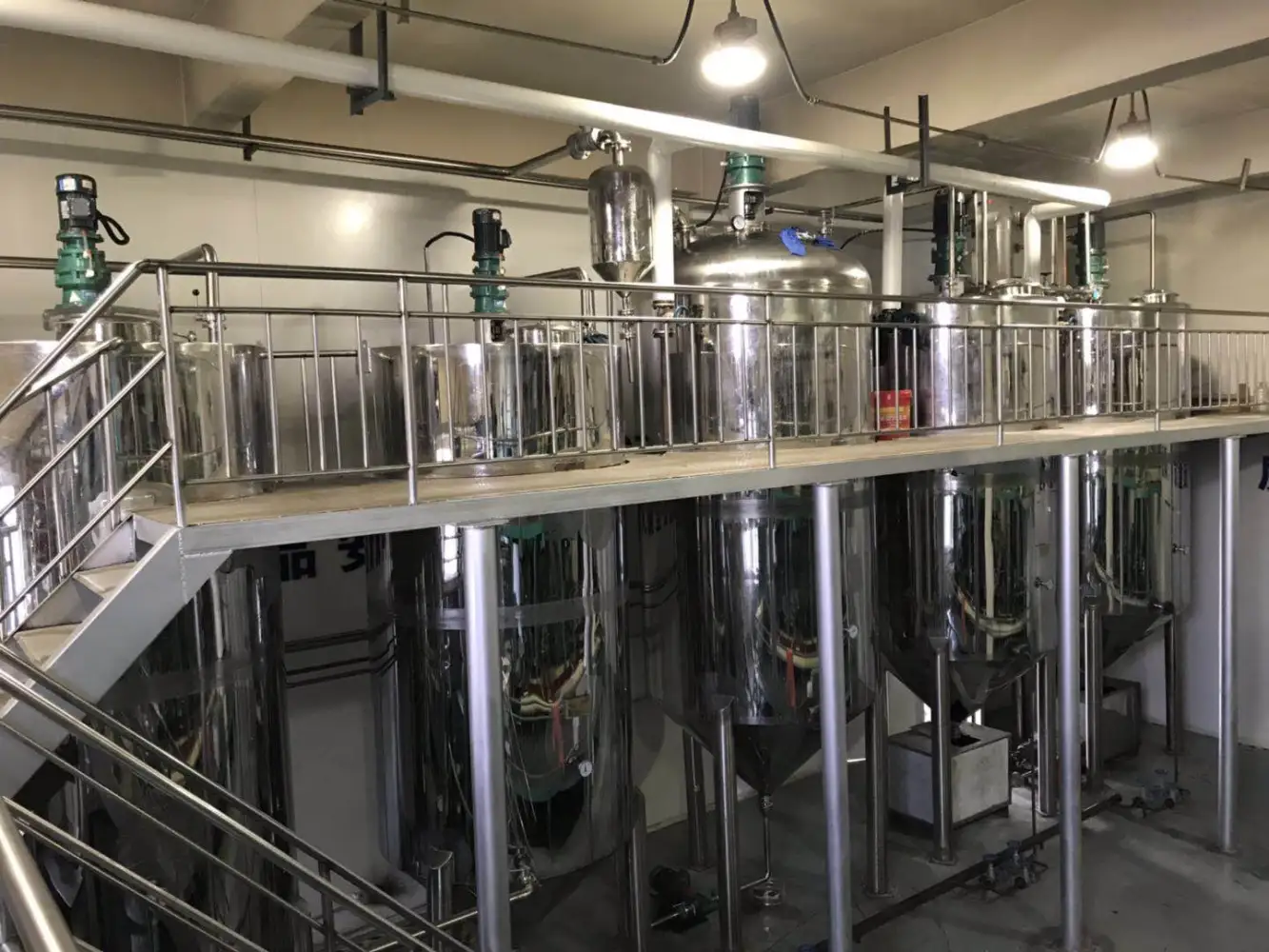
After extraction, the crude oil undergoes filtration to remove particulate matter, resulting in a clear, high-quality product suitable for direct consumption or further refinement. Many small processors opt to produce unrefined, cold-pressed oils which command premium prices in health-conscious markets.
In central Romania, a farmer cooperative established a small-scale sunflower processing plant in 2019 with 12 member families. Within two years, their collective income increased by 47% as they shifted from selling raw seeds to producing and marketing their own branded sunflower oil. The cooperative now employs 8 local residents and has expanded to offer training programs for neighboring communities.
Similarly, in the Konya region of Turkey—one of the country's major sunflower producing areas—small-scale processing units have helped increase farmer incomes by an average of $1,200-1,800 annually per household. These operations have also reduced post-harvest losses from 15-20% to under 5% by providing immediate processing solutions.
The benefits extend beyond direct income generation. Local processing creates employment opportunities, reduces transportation costs and carbon footprint, and strengthens food security by keeping valuable nutrients within the community. It also fosters agricultural diversification and resilience, as farmers become less vulnerable to volatile commodity markets.
Small-scale processors often find success by targeting niche markets that value locally-produced, artisanal oils. Direct sales through farmers' markets, local stores, and community-supported agriculture (CSA) programs eliminate middlemen and maximize profit margins. Additionally, the growing consumer preference for transparent supply chains and sustainable products creates opportunities for premium pricing.
Many communities have leveraged collective branding to enhance market recognition. By standardizing quality and creating a unified marketing message, groups of small processors can compete effectively with larger manufacturers while maintaining their local identity and production methods.
Discover how 企鹅集团's turnkey small-scale sunflower oil processing solutions can help your community capture greater value from local harvests. Our equipment is designed for reliability, efficiency, and ease of operation—perfect for rural entrepreneurs and farmer cooperatives.
Explore Your Processing Solution TodayAs more rural communities recognize the potential of value-added processing, the landscape of agricultural economics is shifting. What was once considered an insurmountable barrier—access to processing technology—is becoming increasingly accessible. With the right equipment, training, and market approach, small-scale sunflower oil processing is proving to be not just a business opportunity, but a powerful tool for community empowerment and sustainable development.
The journey from raw commodity to finished product represents more than just economic gain; it represents a path toward greater self-sufficiency, food sovereignty, and community resilience. For farmers and rural entrepreneurs willing to take this step, the rewards extend far beyond the balance sheet—they build stronger, more vibrant communities for generations to come.



.jpg?x-oss-process=image/resize,h_1000,m_lfit/format,webp)