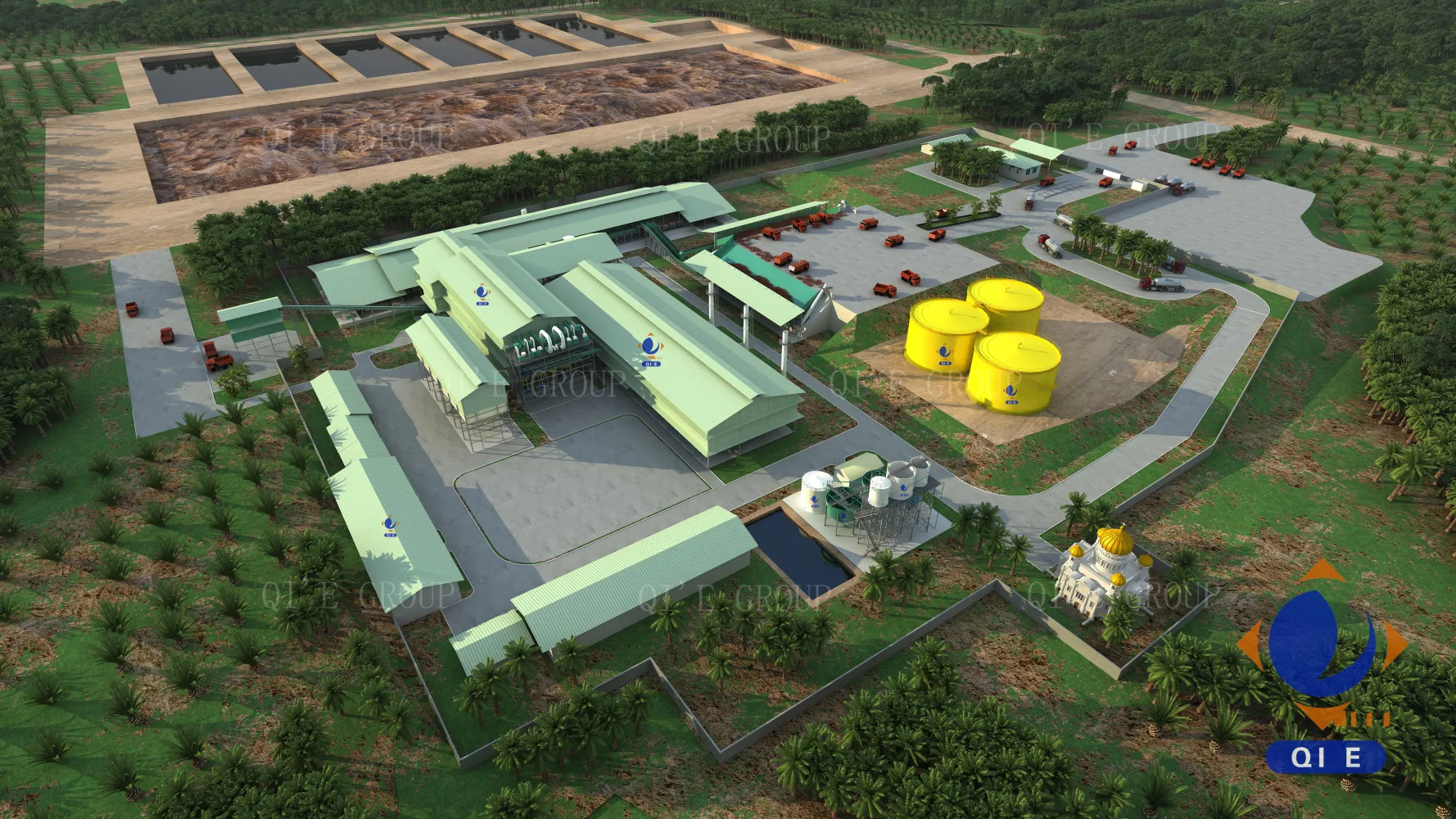
As global demand for sustainable food production grows, small-scale edible oil processing facilities are emerging as a viable alternative to large industrial operations. Unlike massive refineries that rely on heavy energy consumption and long-distance supply chains, small sunflower oil processing plants prioritize localized sourcing and environment-friendly oil production that aligns with modern consumer and regulatory sustainability requirements. For small business owners and community-focused food producers, these facilities balance high-quality output with measurable environmental benefits.
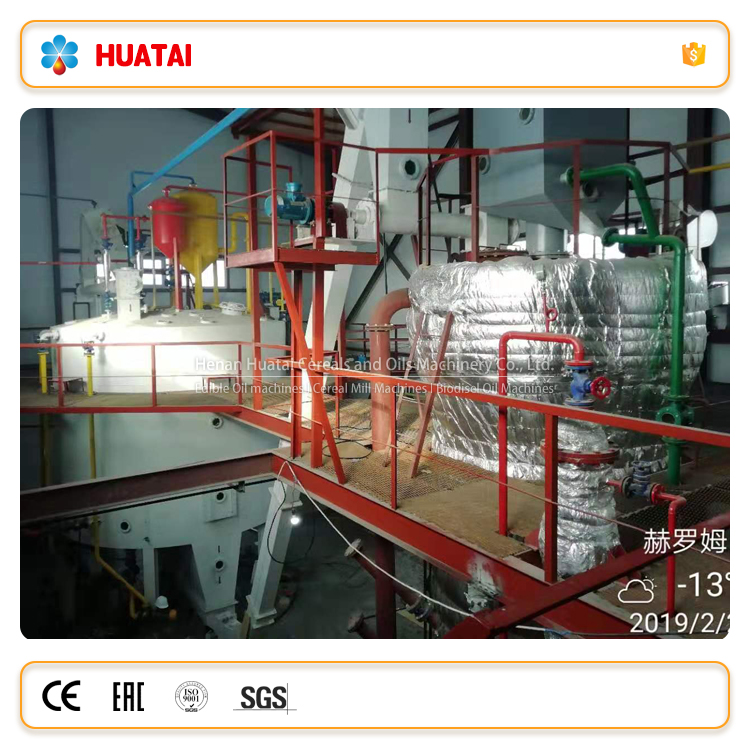
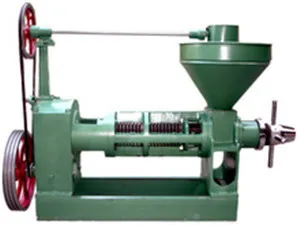
Green sunflower oil production is built on three core pillars: reducing energy use, cutting waste and emissions, and supporting circular local economies. When implemented correctly, these principles deliver both environmental and commercial benefits. According to EU Industrial Emissions Directive standards for small food processing facilities, properly configured energy-saving oil pressing equipment can meet the strictest global eco-regulations without requiring large capital investments.
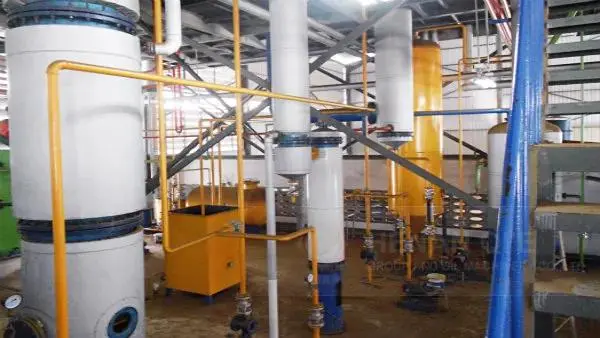
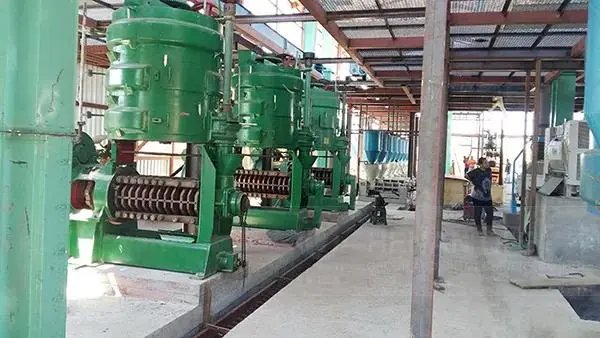
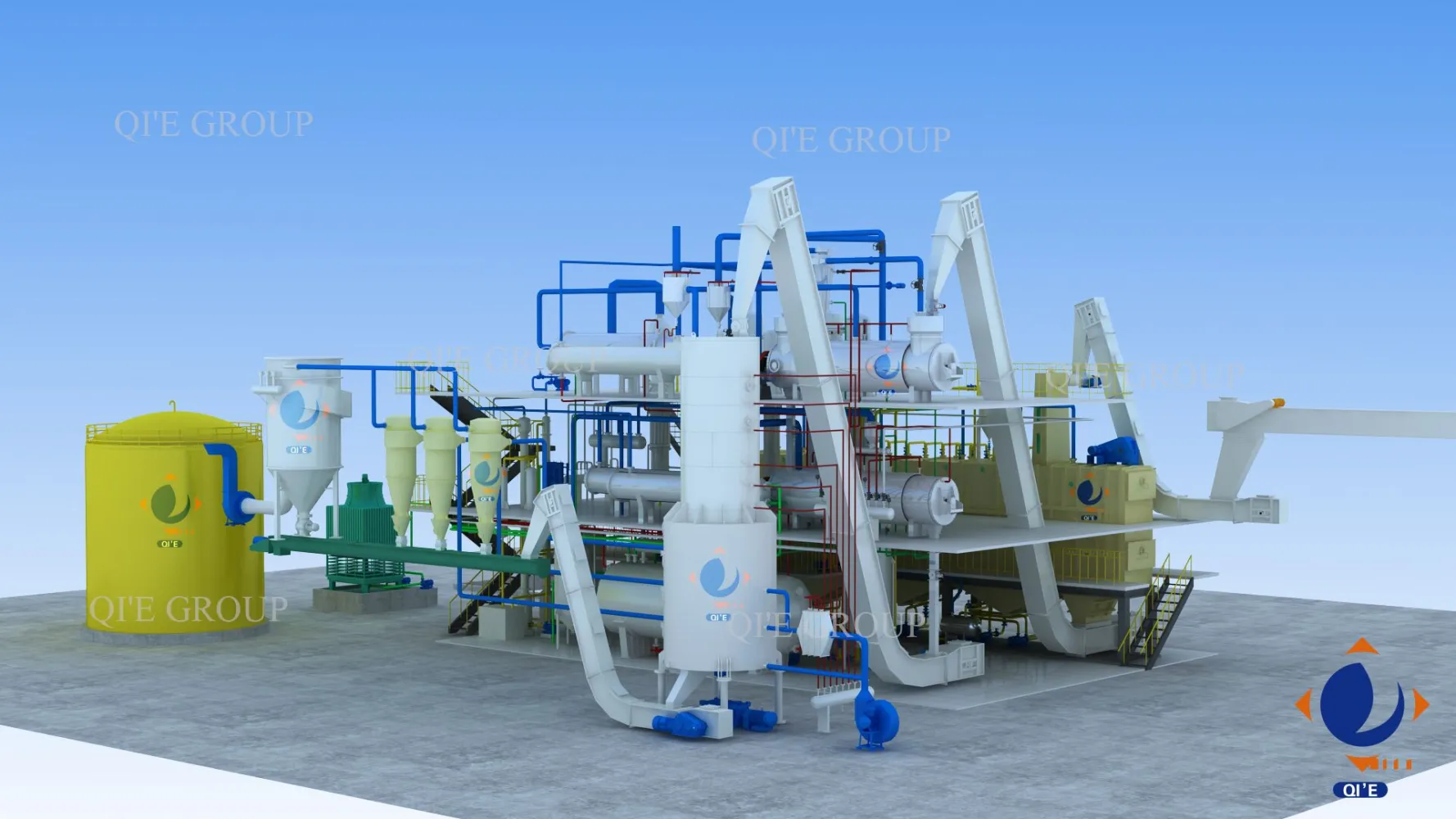
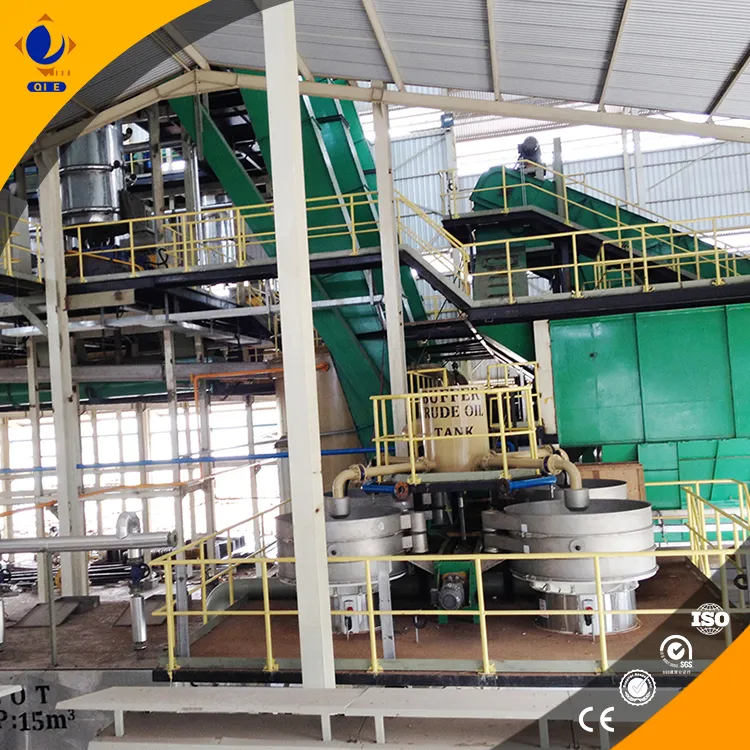
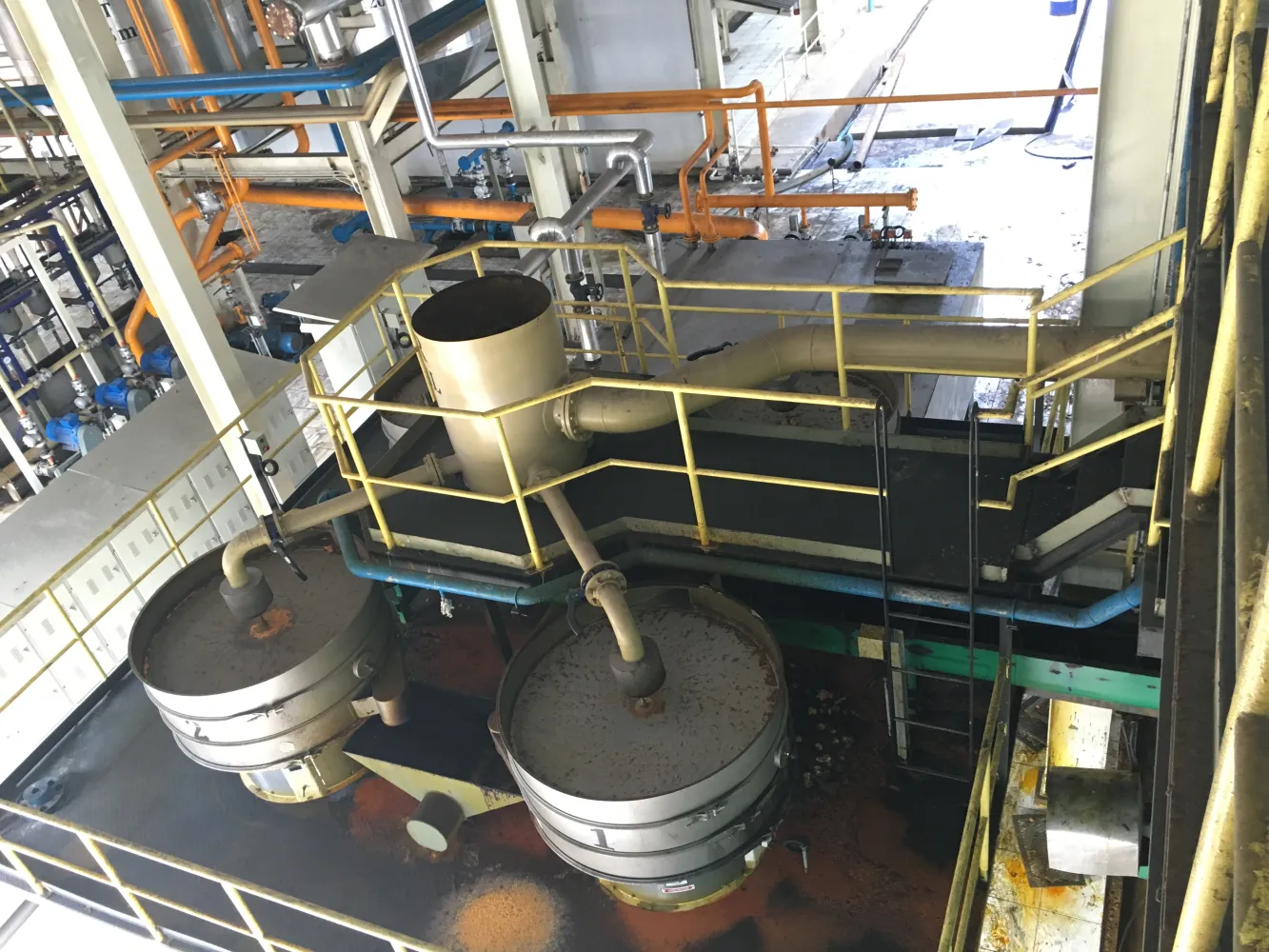
Every stage of small-scale sunflower oil production can be optimized for sustainability, starting from raw material handling to final filtration:
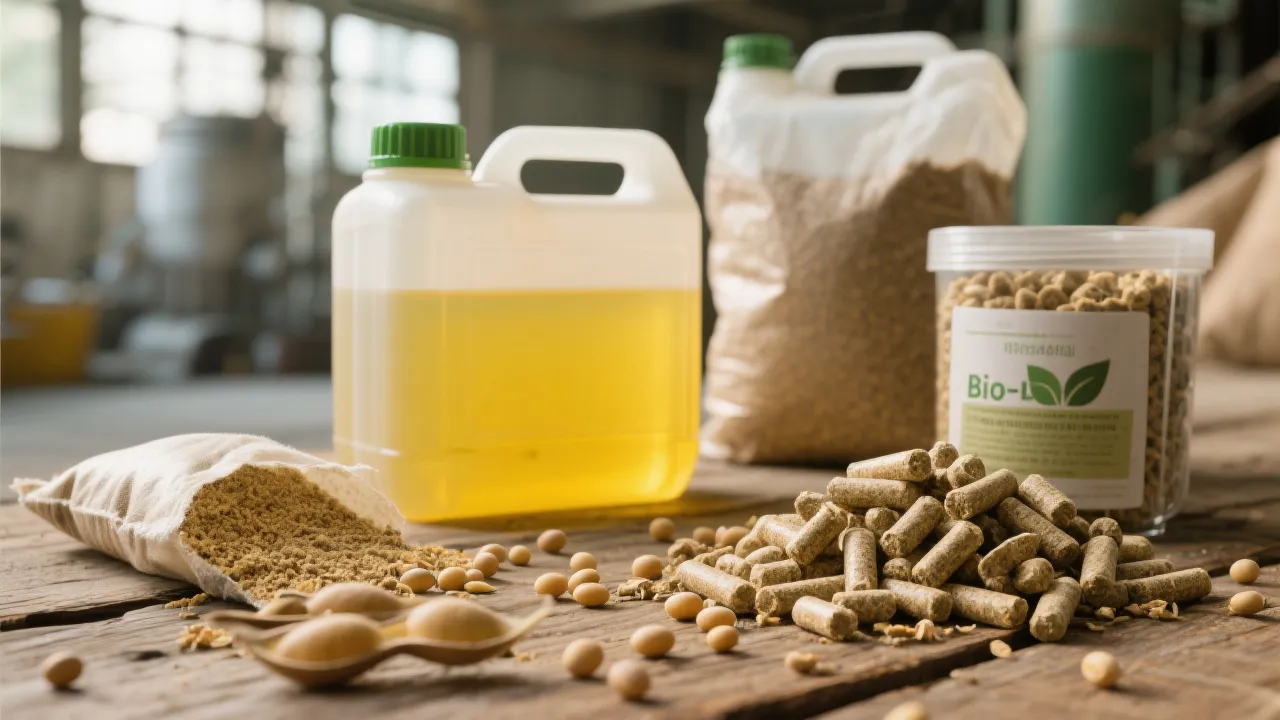
Beyond equipment design, small sunflower oil processing plants can implement simple changes to cut their environmental footprint. The most impactful practice is full resource circularity: pressed sunflower seed cake, the main byproduct of oil extraction, can be sold as high-protein animal feed to local farms, turning 100% of raw input into sellable products. This eliminates 97% of total production waste for a typical small facility.
For energy, many small operations pair their processing equipment with on-site solar panels, cutting grid electricity use by up to 60% over a year. Even without renewable energy installation, optimized processing workflows reduce overall energy consumption by an average of 28% compared to unmodified small facilities, according to 2023 data from the International Edible Oil Association.
Small local processing plants support regional sustainability far beyond their own factory walls. By sourcing sunflower seeds from local farmers, they cut carbon emissions from long-haul transportation of raw materials, and keep revenue within the local economy to support small agricultural operations. Many facilities also partner with local communities to promote community health by providing transparent information about their processing methods, giving consumers access to fresh, chemical-free sunflower oil that is healthier than mass-produced refined alternatives.
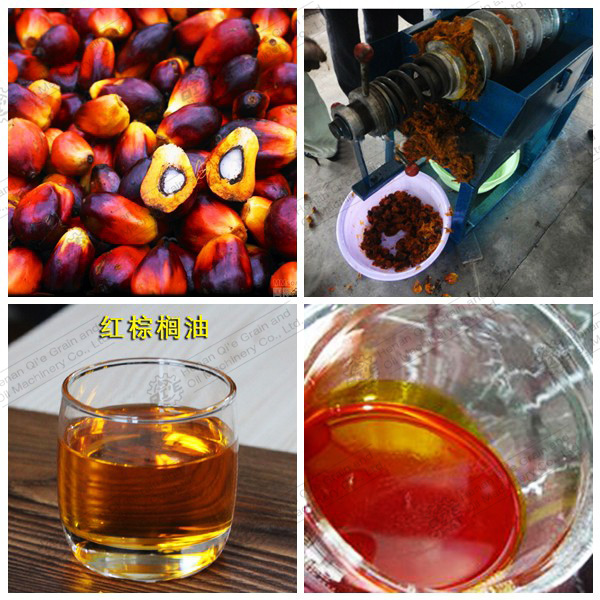
Consumer demand for sustainable, locally produced food is growing rapidly: a 2024 NielsenIQ survey found that 68% of North American and European consumers are willing to pay 10-15% more for food products that carry verified sustainable production claims. For small oil producers, investing in green production and eco-friendly processing technology is not just an environmental choice—it is a competitive business strategy that builds brand loyalty and opens new distribution channels with specialty food retailers and healthy food brands.
Unlike large industrial facilities that require millions in retrofits to meet new environmental regulations, small plants can integrate sustainable practices from day one, with lower upfront investment and faster return on investment. Modern energy-saving oil pressing equipment is designed for small spaces, with low installation and maintenance costs that fit the budget of small and medium-sized food businesses.
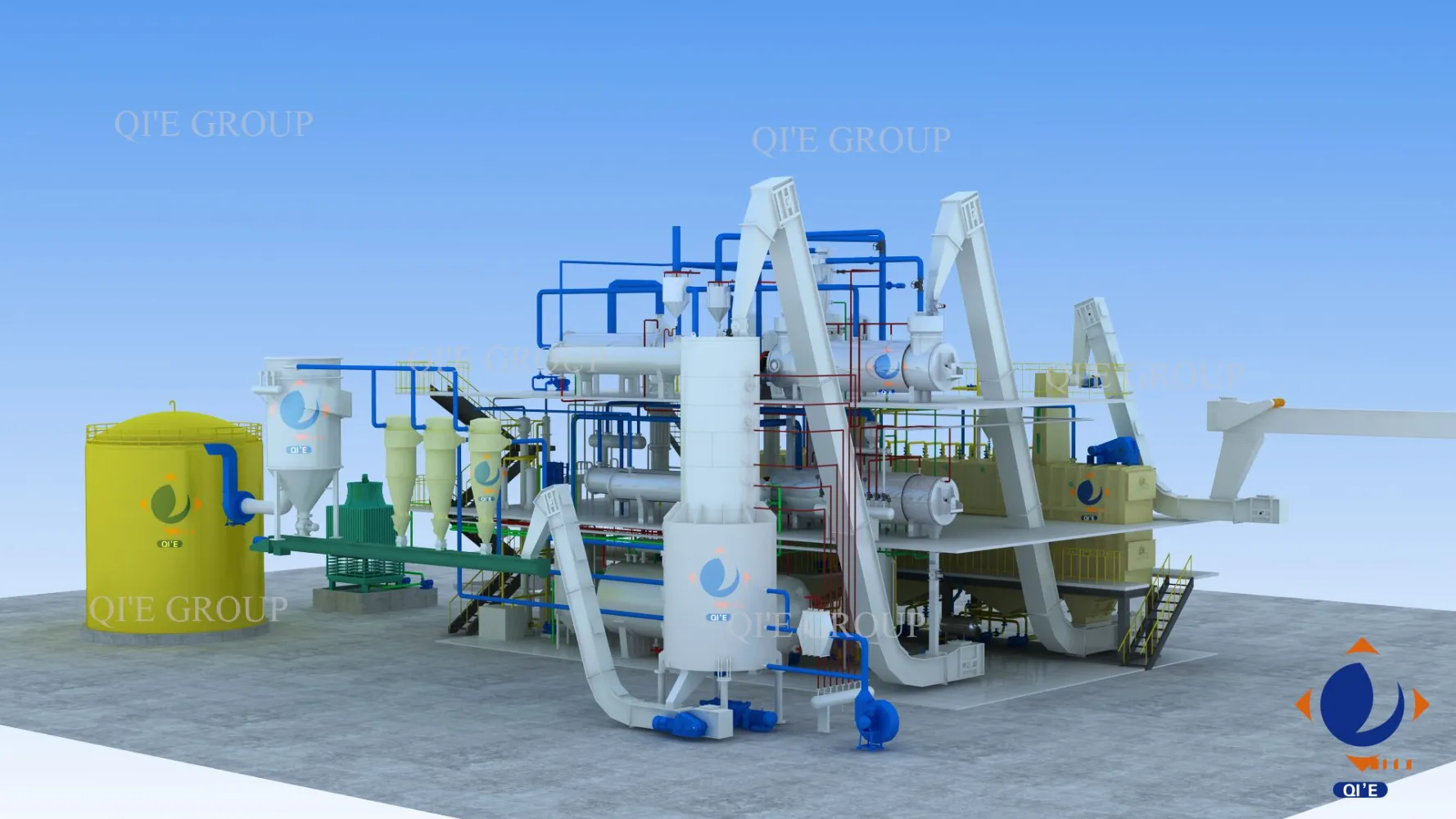
QIE Group can help you source customized, energy-efficient equipment that meets global environmental standards and delivers high-quality green sunflower oil for your market.
Get Your Free Custom Green Production Quote TodayLooking ahead, innovations in processing technology will continue to improve the sustainability of small-scale oil production. New low-energy extraction methods and digital process monitoring will make it even easier for small plants to cut emissions and reduce operating costs, solidifying their role as a key part of a more sustainable global food system.


.jpg?x-oss-process=image/resize,h_1000,m_lfit/format,webp)