.jpg?x-oss-process=image/resize,h_1000,m_lfit/format,webp)
In an era where small-scale enterprises face increasing pressure to optimize operations and meet quality standards, one small oil mill's transformation story stands as a beacon for others in the edible oil processing industry. This case study examines how a modest facility achieved remarkable efficiency gains and market differentiation through strategic equipment upgrades.
Small-scale oil processing operations often grapple with a unique set of challenges that hinder growth and profitability. Before implementing technological upgrades, our case study subject—a family-owned葵花籽油 mill in Eastern Europe—faced several critical issues:
These challenges are not unique. Industry research indicates that over 60% of small-scale oil mills operate with outdated equipment, resulting in average efficiency rates 35% lower than modern facilities. The consequences extend beyond operational limitations—many such businesses find themselves unable to access premium markets or secure long-term supply contracts.
.jpg)
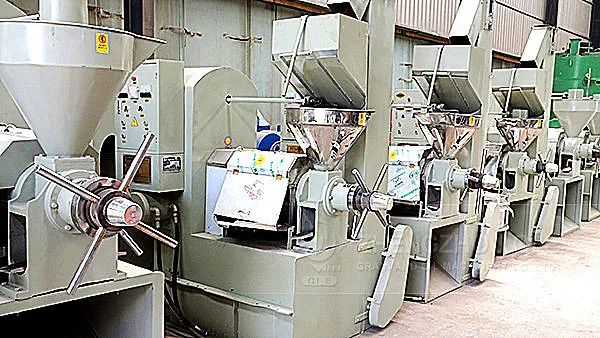
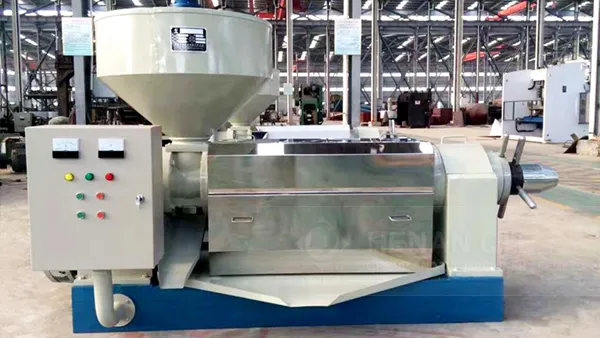
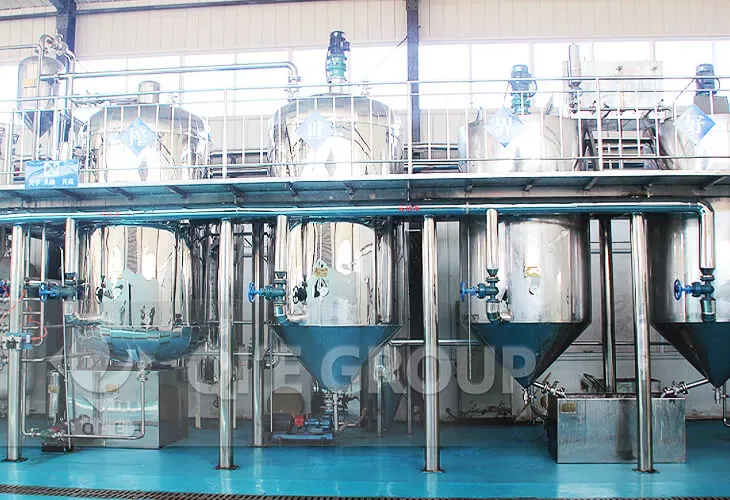
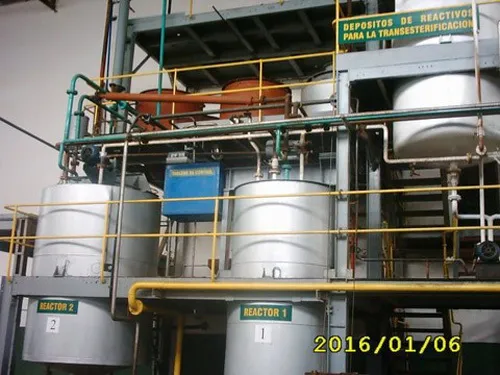
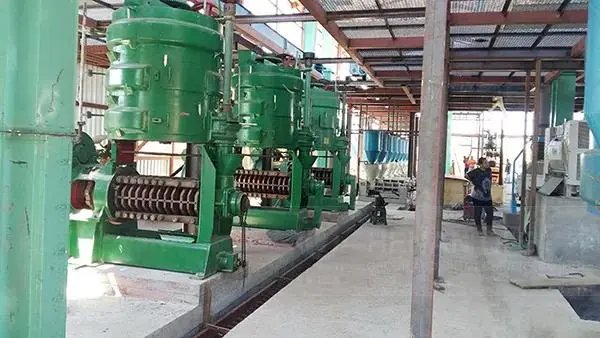
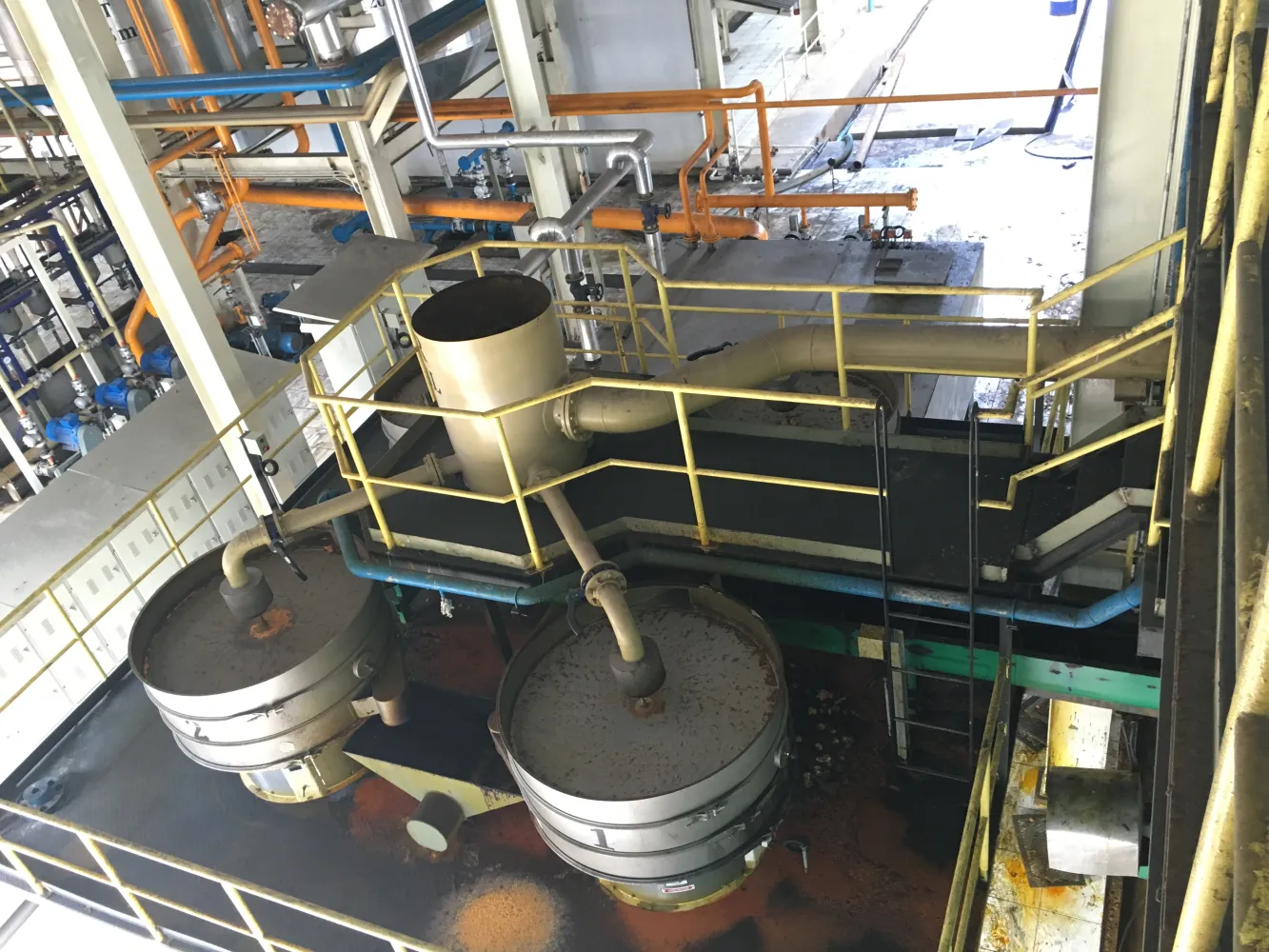
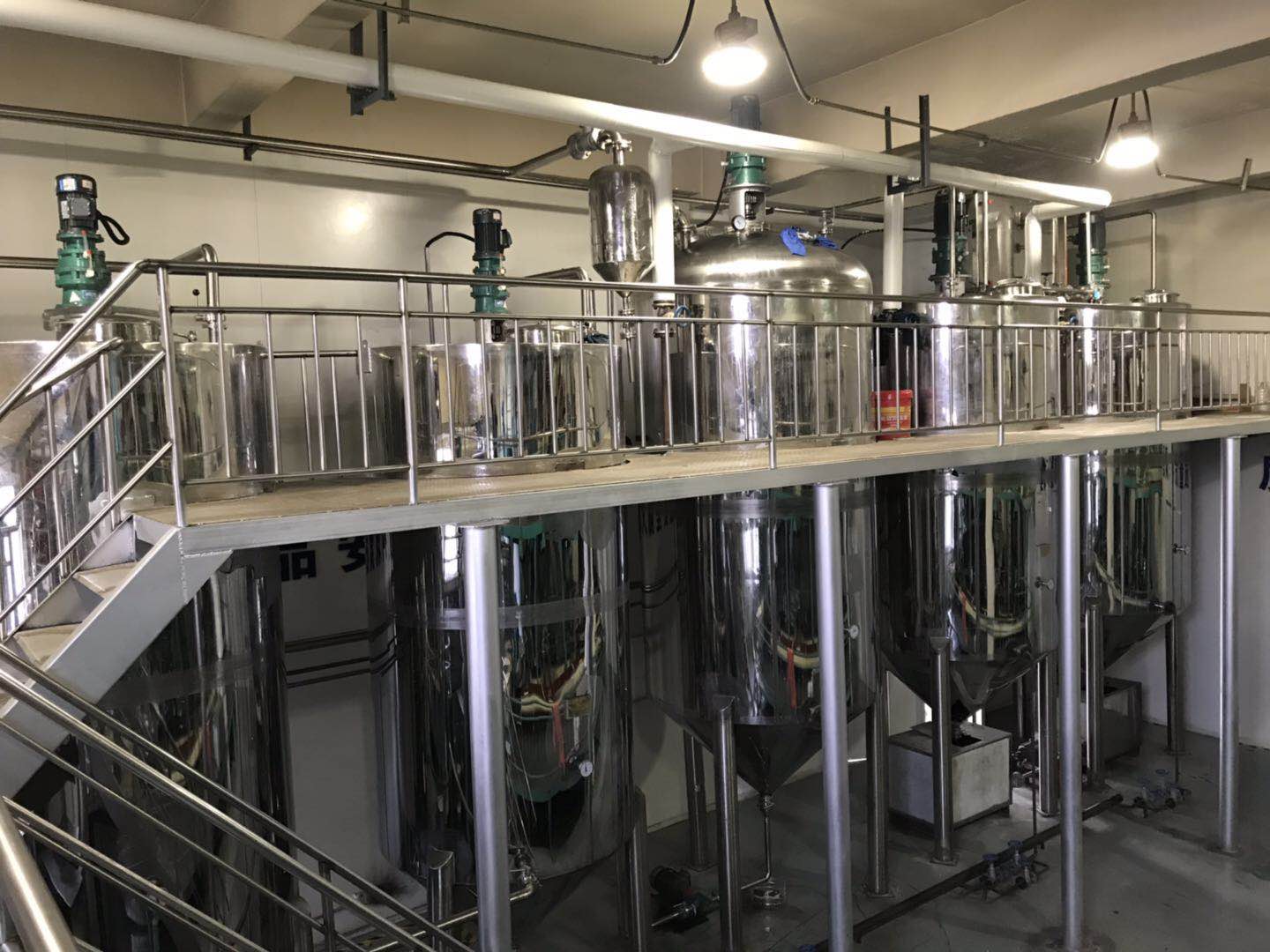
The mill's transformation began with a comprehensive assessment of production bottlenecks, followed by the strategic implementation of four key pieces of equipment:
Removes impurities with 99.7% efficiency, reducing downstream equipment wear and improving oil quality
Maintains optimal oil temperature below 45°C to preserve nutritional value and natural flavor
Three-tier filtration process achieving 99.2% purity with minimal oil loss
Automated degumming, neutralization, and deodorization processes with PLC control
The implementation process spanned six weeks, including equipment installation, staff training, and process optimization. A key factor in the project's success was the phased approach to integration, which allowed the mill to maintain partial production during the transition period. The new equipment was configured into a streamlined workflow that minimized material handling and optimized processing time.

The transformation yielded impressive results across multiple performance metrics, validated through six months of post-implementation data collection:
| Performance Metric | Before Upgrade | After Upgrade | Improvement |
|---|---|---|---|
| Daily Production Capacity | 200 kg | 850 kg | +325% |
| Oil Extraction Rate | 32% | 41% | +28% |
| Product Purity | 85-92% | 99.5% | +8.5% |
| Labor Requirement | 12 workers | 5 workers | -58% |
| Material Waste | 18% | 7% | -61% |
| Net Profit Margin | 8% | 22% | +175% |
Perhaps most significantly, the improved consistency and quality enabled the mill to enter premium markets. Within three months of upgrading, they secured a contract with a major organic food retailer, commanding a 30% price premium over their previous conventional product line.
The technological upgrade catalyzed a broader business transformation that extended beyond operational improvements. The mill's owner recognized that the new equipment wasn't just about increasing output—it was about repositioning the business in the marketplace.
"We didn't just buy machines—we invested in our future," noted the mill's operations manager. "The consistency we can now guarantee has opened doors we never thought possible. Retailers who previously ignored us now seek us out because they know our quality standards match or exceed much larger producers."
Key market advantages realized include:
While every business situation is unique, several key lessons emerge from this transformation that can guide other small-scale oil processors considering technological upgrades:
Before investing in equipment, conduct a thorough analysis of your current processes to identify specific bottlenecks. Consider engaging with an industry consultant who can provide an objective evaluation of your operation and recommend targeted solutions rather than off-the-shelf packages.
Select equipment that can grow with your business and adapt to changing market demands. The case study mill deliberately chose modular equipment that allowed them to start with core functions and add capacity incrementally as demand increased.
Technical expertise is crucial for maximizing equipment performance. Allocate budget for comprehensive operator training and establish clear maintenance protocols to ensure long-term reliability and performance.
Discover how our tailored葵花籽油 production solutions can help your business achieve similar efficiency gains and market advantages.
Schedule a Free ConsultationFor small oil mills operating in today's competitive landscape, technological modernization is no longer an option but a necessity for survival and growth. The case study presented here demonstrates that with strategic equipment investment, careful planning, and a focus on quality, even modest facilities can transform their operations, improve profitability, and access new market opportunities.