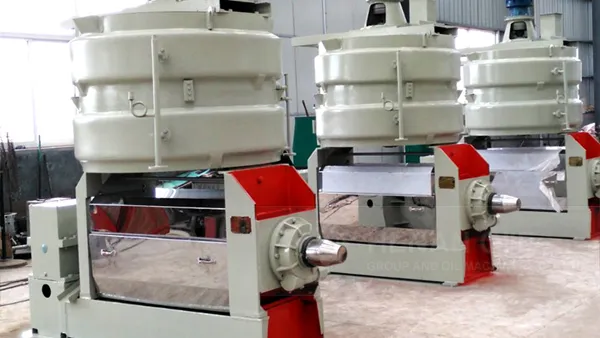
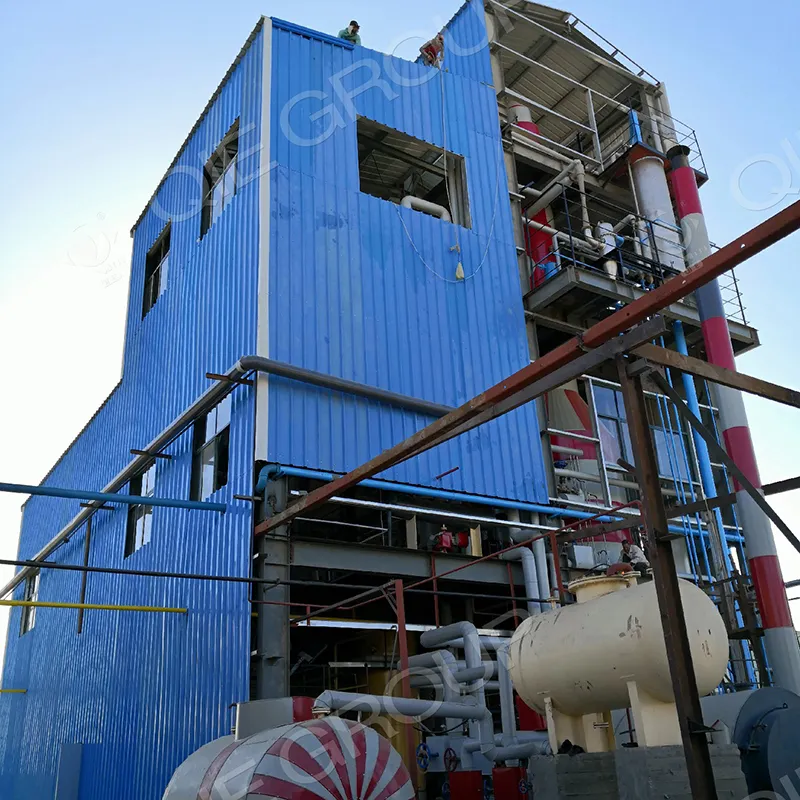
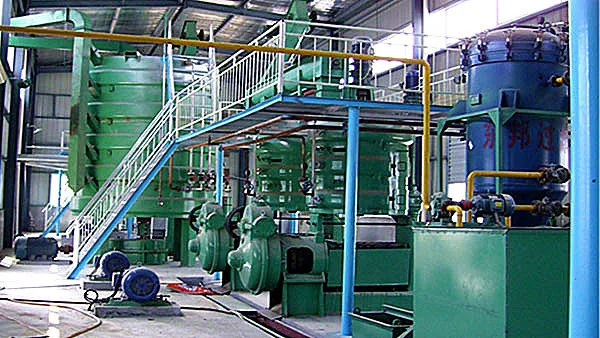
If you're considering entering the edible oil production industry, one of the first questions you'll undoubtedly ask is: "How much does a small oil mill cost?" This is not just a simple question of upfront investment, but a critical decision that will shape your business model, production capacity, and long-term profitability. In this guide, we'll explore the various factors that influence the cost of setting up a small oil mill, helping you make an informed decision that aligns with your business goals.
Before diving into costs, it's essential to clarify what constitutes a "small oil mill." In the industry, small oil mills typically fall into two main categories based on their daily processing capacity:
These compact units are designed for very small-scale operations, typically processing 50-200 kg of oilseeds per day. They're ideal for family businesses, small cooperatives, or as a supplementary income source for farmers. Home-scale mills are often manually operated or semi-automatic, requiring minimal space and technical expertise.
Stepping up in capacity, these mills process 200-1,000 kg of oilseeds per day. They feature more advanced machinery, automated processes, and higher production efficiency. Small commercial mills are suitable for entrepreneurs looking to enter the local or regional edible oil market with a sustainable business model.
The total investment required for a small oil mill can vary significantly based on several critical factors. Understanding these variables will help you accurately estimate your startup costs and avoid unexpected expenses.
Not surprisingly, capacity is the most significant cost determinant. A mill processing 100 kg/day will cost substantially less than one handling 500 kg/day. As a general guideline, expect costs to increase by approximately 40-60% when doubling production capacity, due to economies of scale.
Manual mills require more labor but less upfront investment, while fully automated systems reduce labor costs but increase equipment expenses. Semi-automatic mills offer a balance, typically costing 20-30% more than manual systems but requiring 50% less labor.
Different oilseeds require specialized processing equipment. For example, palm oil processing requires different machinery than soybean or sunflower processing. Specialized equipment for high-value oils like olive or avocado can increase costs by 15-35%.
Basic mills only extract oil, while more advanced systems include cleaning, drying, dehulling, and refining processes. Each additional stage can add 10-25% to the total equipment cost but significantly improves oil quality and market value.
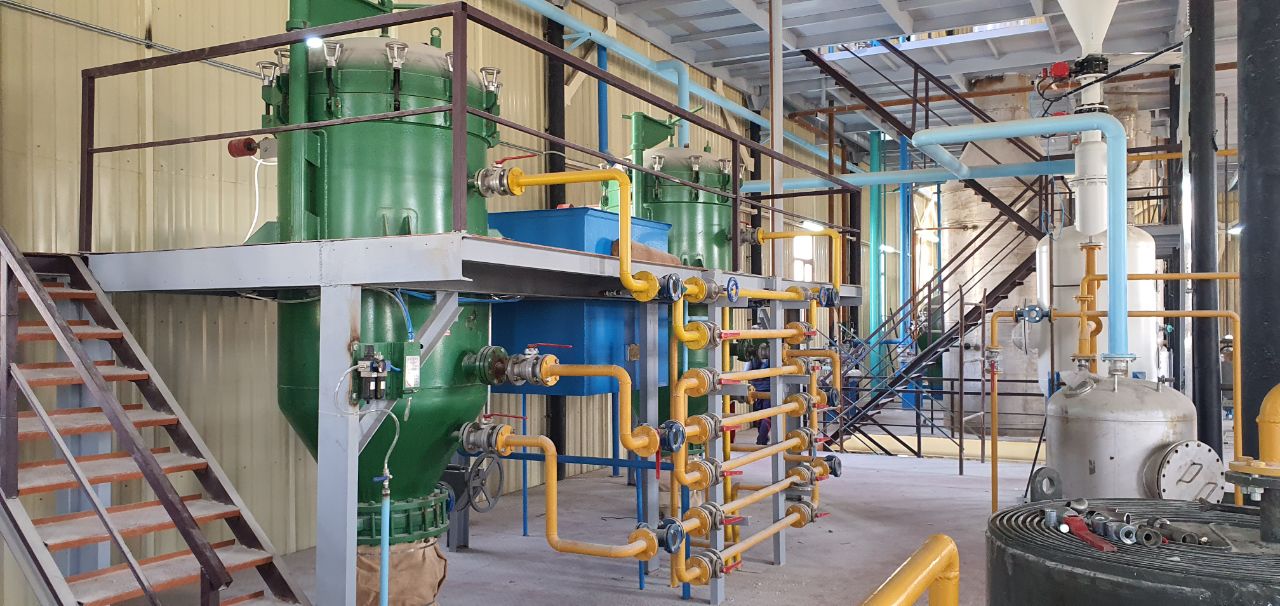
While specific costs vary by region and supplier, the following ranges provide a realistic framework for budgeting your small oil mill project. These estimates include core processing equipment but exclude land, building, and working capital.
| Mill Type | Capacity (kg/day) | Equipment Cost Range | Key Features |
|---|---|---|---|
| Manual Home Mill | 50-100 | $3,000 - $8,000 | Basic pressing, manual operation, minimal maintenance |
| Semi-Automatic Home Mill | 100-200 | $8,000 - $18,000 | Automatic feeding, motorized pressing, basic filtering |
| Small Commercial Mill | 200-500 | $18,000 - $45,000 | Complete processing line, oil filtering, higher automation |
| Medium Commercial Mill | 500-1,000 | $45,000 - $80,000 | Advanced processing, oil refining, packaging options |
When planning your oil mill investment, it's crucial to account for expenses beyond just the processing equipment. These "hidden costs" can significantly impact your total investment requirements:
Starting a small oil mill is a significant investment, but there are strategies to optimize your costs without compromising on quality or efficiency:
Consider starting with a basic production line and adding capacity or additional processing stages as your business grows. Many mill operators begin with pressing only, then add refining equipment once they've established a customer base. This approach reduces initial investment by 30-40% while allowing you to generate revenue quickly.
Investing in energy-efficient equipment may cost 10-15% more upfront but can reduce operating costs by 20-30% annually. Look for mills with variable speed drives, efficient heating systems, and proper insulation to minimize energy consumption.
Where possible, source raw materials locally to reduce transportation costs. Establish relationships with local farmers for a consistent supply of oilseeds at competitive prices. Many regions offer agricultural cooperatives or government programs that can help connect you with reliable suppliers.
Our team of oil mill experts can help you design a customized solution that fits your budget and production goals. From equipment selection to installation and training, we provide end-to-end support for entrepreneurs entering the edible oil industry.
Get Your Free Small Oil Mill Cost Estimate NowWhen evaluating potential suppliers, request detailed quotations that specify equipment specifications, production capacity, and after-sales support. Reputable manufacturers will provide comprehensive documentation, including installation guides, maintenance schedules, and warranty information. Don't hesitate to ask for references from other customers who have implemented similar systems.
Remember that the cheapest equipment isn't always the best investment. Consider factors like durability, maintenance requirements, and spare parts availability when making your decision. A slightly higher upfront investment in quality equipment often pays off through reduced downtime and longer service life.
Finally, take the time to develop a comprehensive business plan that includes market analysis, production projections, and financial forecasts. This will not only help you secure financing if needed but also provide a roadmap for growing your oil mill business into a profitable enterprise.