Screw Oil Press vs Hydraulic Oil Press: Which Is Better for Your Application?
02 03,2026
Product Comparison
Screw oil presses and hydraulic oil presses each excel in different scenarios, depending on your raw materials, production targets, and quality priorities. A screw oil press is typically designed for continuous operation with faster throughput and simpler daily handling, making it suitable for many seed and nut processing workflows. A hydraulic oil press generally works in batches and focuses on high-pressure extraction, which can be beneficial for certain high-value oils where gentle pressing and oil clarity are key considerations. This article compares working principles, output consistency, oil yield factors, maintenance needs, and best-fit use cases to help you choose the right oil press for your application.
Is a Screw Oil Press Better Than a Hydraulic Press? A Buyer’s Guide for Real-World Production
The “better” oil press isn’t about which machine looks stronger—it’s about what your raw material looks like, how fast you need to run, what quality target you’re chasing (clarity, aroma, residual oil), and how much labor you can afford to spend on pre-treatment and cleaning. In most commercial scenarios, a screw oil press wins for throughput and automation, while a hydraulic oil press wins for premium, low-temperature pressing and specialty seeds/nuts.
Below is a practical comparison—built for factory owners, distributors, and project buyers—so you can choose with confidence and avoid costly mismatch.
Quick Answer: Which One Is “Better” Depends on Your Goal
Choose a Screw Oil Press if you need:
Continuous production, higher throughput, stable operation for daily use, easier integration with feeders/filters, and an output that suits mainstream edible oil business models.
Choose a Hydraulic Oil Press if you need:
Batch pressing with strong control over low-temperature processing, higher perceived “premium” positioning, and better handling for some nuts/seeds where gentle pressing improves aroma and color.
How They Work (In Plain English)
Screw Oil Press (Continuous)
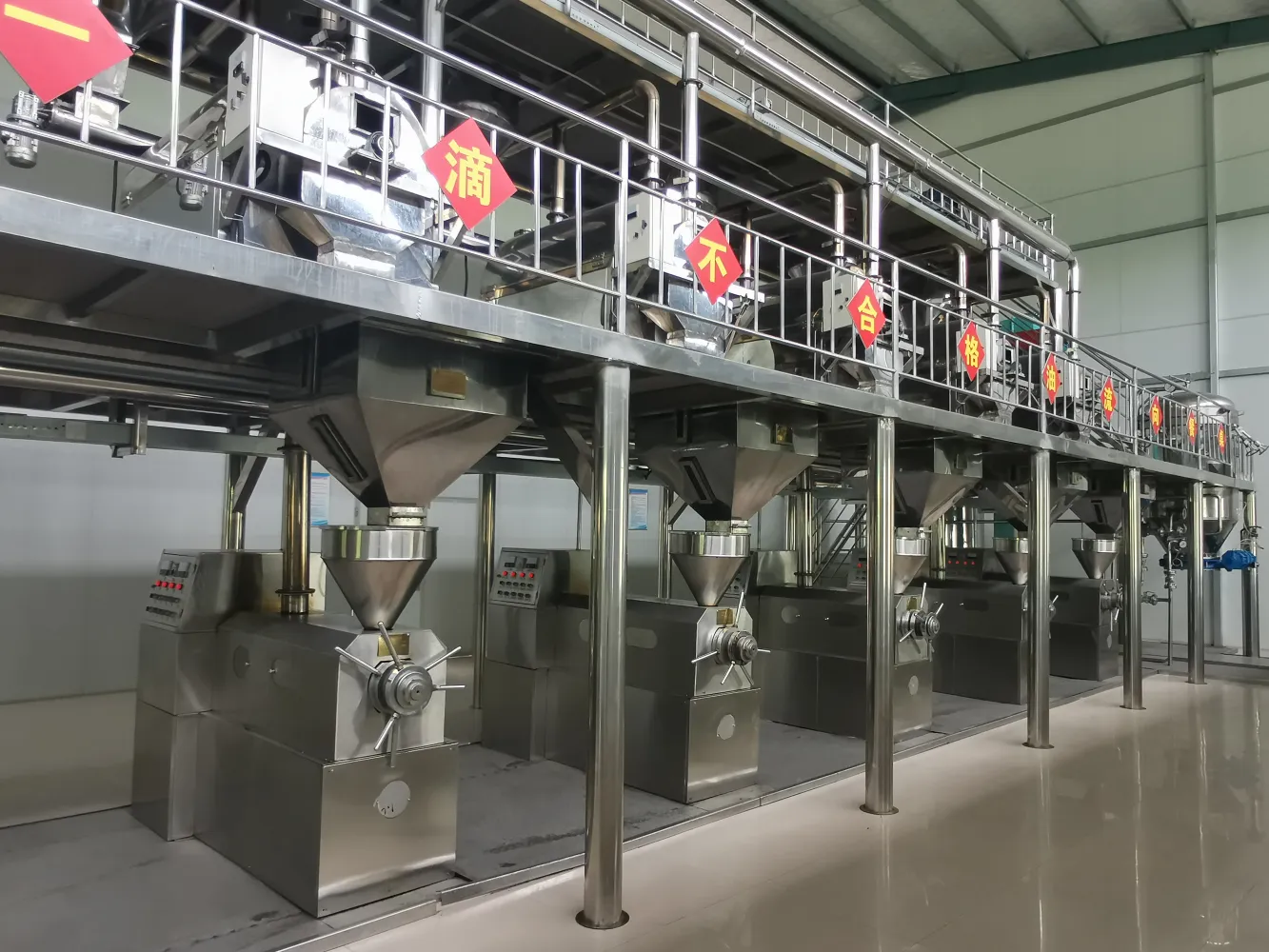
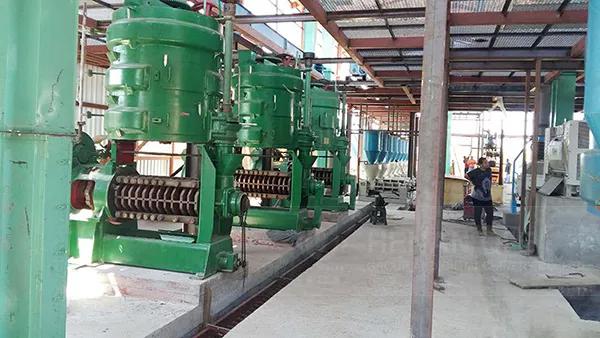
A rotating screw pushes material through a narrowing chamber. Pressure builds continuously, oil exits through gaps/filters, and pressed cake moves out the end. Because friction and compression happen nonstop, the system naturally leans toward higher output per hour and consistent daily operation.
Hydraulic Oil Press (Batch)
Material is loaded into a chamber (often with a pressing cage). A hydraulic cylinder applies high pressure for a set time, then you unload and repeat. This setup is slower, but it can excel when you want controlled, gentle pressing—especially for niche oils marketed as “cold pressed” or “premium.”
Screw vs. Hydraulic: Key Differences That Matter to Buyers
| Decision Factor |
Screw Oil Press |
Hydraulic Oil Press |
| Production mode |
Continuous |
Batch |
| Typical capacity (reference) |
Small commercial lines often run 30–300 kg/h depending on seed and model |
Commonly 5–60 kg/h depending on chamber size and cycle time |
| Oil yield potential |
Often strong, but depends heavily on temperature and pre-treatment |
Can be excellent for certain nuts/seeds; sometimes higher quality perception than max yield |
| Residual oil in cake (reference) |
Often around 6–10% with good settings and preheating (seed-dependent) |
Often around 8–14% in many batch setups (material and cycle-dependent) |
| Temperature control |
More friction heat; “cold press” is possible but requires careful design and slower throughput |
Naturally friendly to lower temperature claims due to pressing style |
| Labor & workflow |
Lower labor per ton; easy to pair with conveyor/feeder/filter |
More handling per batch; unloading/loading takes time |
| Maintenance pattern |
Wear parts: screw, barrel, rings—plan periodic replacement |
Hydraulic seals, pump, valves—watch for leakage and pressure stability |
| Best fit |
Mainstream edible oils, steady daily production, scalable lines |
Premium small-batch oils, specialty products, boutique brands |
Reference ranges vary by seed moisture, pretreatment, screw design, pressure time, filtration, and operator skills. Use these numbers as a planning baseline, then validate with trials.
What Most Buyers Don’t Realize: “Better” Is Often About Pre-Treatment
Two factories can buy the same machine and get very different results. The hidden driver is how well you manage: cleaning (stones, sand, metal), dehulling (if required), moisture (often optimized around 6–9% for many seeds), and conditioning (warming/tempering).
If your raw material quality varies seasonally, a screw press setup with stable feeding and filtration can feel “better” simply because it’s more forgiving in continuous operation. If you’re producing a branded premium oil where aroma and color are the story, a hydraulic press can feel “better” because it supports that narrative and sensory profile.
Best Use Cases by Oil Type (Practical Examples)
When a Screw Oil Press Usually Wins
Sunflower, rapeseed/canola, soybean (pre-treated), peanut, sesame (depending on configuration), and most seeds where you need steady daily output. Buyers supplying supermarkets, wholesalers, or industrial users typically value capacity stability and repeatable operation more than batch-style craftsmanship.
When a Hydraulic Oil Press Often Feels “Better”
Walnut, almond, pine nut, avocado (application-dependent), flaxseed/linseed (oxidation-sensitive handling), and boutique “first press” style products. If your marketing relies on phrases like small-batch, gentle pressing, and low-temperature, hydraulic is frequently the easier operational match.
Operational Reality Check: Throughput, Labor, and Downtime
In B2B projects, ROI is rarely decided by oil yield alone. It’s decided by what happens every day at 9:00 AM when operators start the line. A continuous screw press can reduce the “stop-and-go” losses of batch operation—less waiting, fewer handoffs, and smoother filtration scheduling.
Hydraulic pressing, however, can simplify quality positioning. Many buyers accept slightly lower hourly output because they can sell the oil as premium and keep the process more artisanal. The tradeoff is you’ll typically need more operator attention per kilogram, especially when switching raw materials or cleaning between batches.
A Simple Decision Framework (Use This Before You Request a Quotation)
Answer these 7 questions:
- What is your target capacity per hour and per day (real shift hours, not theoretical)?
- Which raw materials (and are they cleaned, dehulled, conditioned)?
- Is your priority maximum yield, premium sensory quality, or lowest labor?
- Do you need a “cold pressed” positioning (and what temperature threshold do you claim)?
- How will you filter/settle the oil (gravity settling, plate filter, centrifuge)?
- How often do you switch seeds (changeover time matters a lot)?
- What is your maintenance preference: wear-part replacement (screw) or hydraulic system upkeep?
FAQ: Screw Oil Press vs Hydraulic Press
Which press is better for continuous factory production?
A screw oil press is usually the better match because it runs continuously and integrates easily with feeding and filtration. For most plants, stable throughput and predictable labor cost are the win.
Which press is better for “cold pressed” premium oils?
A hydraulic oil press often makes it easier to keep temperatures low and to market the product as small-batch. That said, some screw presses are designed for low-temperature operation—request real test data with your seed.
Does hydraulic always give higher oil yield?
Not always. Yield is highly dependent on moisture, conditioning, and press settings. In many commercial setups, screw presses can achieve very competitive yields because they maintain continuous compression and consistent feeding.
Which one is easier to maintain?
Screw presses typically involve scheduled replacement of wear parts (screw, rings, barrel). Hydraulic presses require attention to seals, pump performance, and potential leaks. “Easier” depends on what your team is used to—and what spare parts you can source quickly.
Ready to Choose the Right Oil Press for Your Seeds and Target Capacity?
If you tell us your raw material (seed/nut), desired capacity, and whether you prioritize yield or premium “cold pressed” positioning, we’ll recommend a configuration that fits your production reality—no guesswork, no generic sizing.
Tip for faster selection: include seed moisture range, cleaning method, and whether you need filtration included.
```