Screw Oil Press vs Hydraulic Oil Press: Key Differences, Pros, and Best Uses
26 02,2026
Product Comparison
This article compares screw oil presses and hydraulic oil presses to help processors choose the right equipment for their production needs. It explains how each press works, then contrasts them across oil yield and quality, temperature control, throughput, energy use, maintenance, automation, and suitable oilseeds and materials. You will learn where continuous screw pressing excels for stable, high-volume operation and where hydraulic pressing is preferred for gentle extraction and specific product requirements. The guide concludes with practical selection tips based on raw material characteristics, capacity targets, and operational priorities.
Screw Oil Press vs Hydraulic Oil Press: Which One Fits Your Oil Business?
If you’re comparing a screw oil press machine and a hydraulic oil press, you’re not just choosing equipment—you’re choosing a production rhythm, a cost structure, and a quality profile your buyers will taste and judge. Some factories win with high-throughput continuous pressing; others win with boutique-grade aroma, lower temperature, and a “cold press” story that actually holds up in audits.
Below is a practical, real-world comparison—built for procurement teams, small-to-mid processors, and exporters—so you can pick the machine that matches your seeds, your capacity, and your market positioning.
Fast Decision Snapshot (What Buyers Usually Care About)
Most purchasing decisions come down to five questions: capacity, oil yield, oil temperature, labor & maintenance, and product story (industrial edible oil vs premium cold-pressed).
| Comparison Item |
Screw Oil Press (Continuous) |
Hydraulic Oil Press (Batch) |
| Work Mode |
Continuous feeding & pressing |
Batch pressing (load-press-unload) |
| Typical Capacity |
60–600 kg/h (varies by model & seed) |
8–80 kg/batch; ~30–200 kg/h with multiple cylinders |
| Oil Temperature |
Often 70–120°C due to friction (adjustable on advanced models) |
Often 35–60°C if controlled (popular for “cold press” positioning) |
| Oil Yield (practical range) |
Higher for many seeds; typically 85–92% extraction efficiency |
Very good for soft/oily nuts; typically 80–90% (depends on preheating & moisture) |
| Best For |
Sunflower, soybean, rapeseed/canola, peanut, sesame (with right settings), many mixed lines |
Sesame, walnut, almond, coconut, flaxseed, black seed (Nigella), avocado (special setups) |
| Maintenance |
More wear parts (screw, barrel); regular adjustment needed |
Fewer wear parts; hydraulic seals & oil maintenance critical |
| Operator Skill |
Moderate: temperature, cake thickness, feed rate tuning |
Low–moderate: cycle timing & loading consistency |
Reference ranges are based on common commercial setups. Your final results depend heavily on seed moisture (often 6–10%), seed cleaning, flaking/conditioning, and filtration.
How a Screw Oil Press Works (And Why Factories Love It)
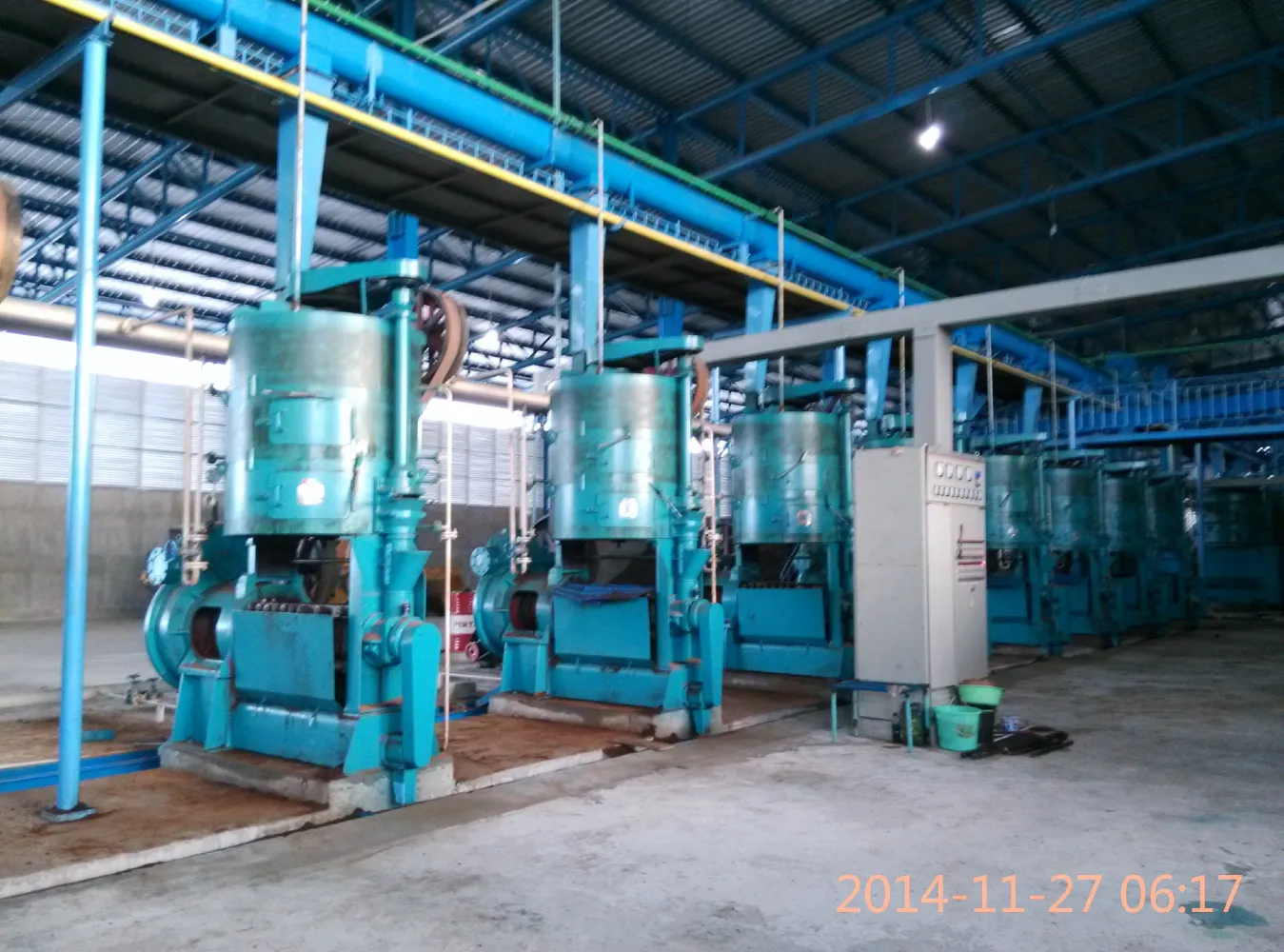
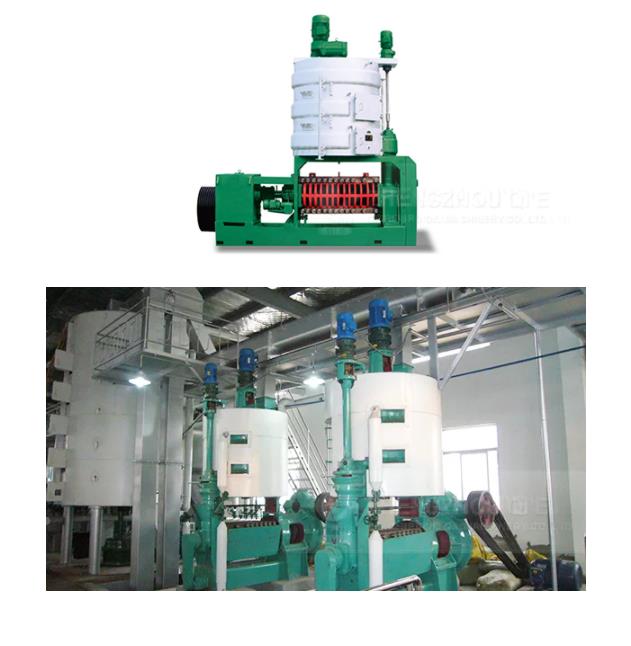
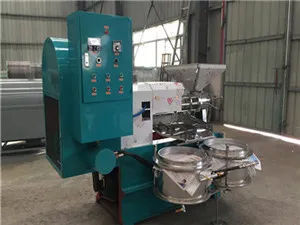
A screw oil press uses a rotating screw shaft to continuously push seeds through a pressing chamber. Pressure builds gradually; oil escapes through small gaps/filters while the pressed cake exits at the end. This continuous mode is why screw presses dominate when you need stable hourly output and predictable labor planning.
Where screw presses shine
- You need higher throughput without stopping cycles.
- Your product is mainstream edible oil where refining or deodorizing is expected.
- You handle multiple seed types and want one line with parameter adjustments.
Trade-offs to plan for
Because friction is part of the process, screw presses can run hotter—often 70–120°C depending on seed, feed rate, and chamber design. That can boost flow and yield, but may reduce “fresh-pressed” aroma in delicate oils unless you use cooling, optimized screw geometry, or lower-speed configurations.
How a Hydraulic Oil Press Works (And Why Premium Brands Choose It)
A hydraulic oil press machine applies pressure using a hydraulic cylinder in a batch cycle. You load material into the pressing cage, apply pressure, and then release and unload the cake. The process is slower, but the force is stable and the temperature is easier to keep low—one reason hydraulic presses are often linked to cold-pressed positioning.
Where hydraulic presses shine
- You sell higher-margin oils where taste, aroma, and “natural” processing are key.
- You press nuts and specialty seeds that respond well to steady high pressure.
- You want simpler mechanical wear compared with high-friction screws.
Trade-offs to plan for
Batch cycles create natural bottlenecks. If you’re targeting industrial volumes, you may need multiple cylinders or parallel stations to reach competitive daily output. Also, consistent loading (weight, particle size, moisture) matters—otherwise yields and cake dryness can fluctuate between batches.
Oil Yield vs Oil Quality: What You Gain, What You Risk
Buyers often ask, “Which press gives the highest yield?” The honest answer is: it depends on the seed and your pre-treatment. That said, in many commercial scenarios, screw presses achieve slightly higher extraction efficiency because of continuous compression and shear. Hydraulic presses, meanwhile, often win on quality perception—especially when you can demonstrate low-temperature pressing and clean filtration.
Typical performance references (practical production)
For many common seeds, operators report 85–92% extraction efficiency on optimized screw press lines. Hydraulic setups often fall in the 80–90% range unless conditioning is tuned perfectly. However, for premium sesame or nut oils, hydraulic pressing can deliver a flavor profile buyers prefer, even if you leave a bit more oil in the cake.
If you market “cold pressed,” control these variables
- Seed moisture: often best around 6–10% depending on seed type.
- Pressing temperature logging: target <50–60°C for many “cold press” claims (check your market rules).
- Filtration choice: plate filter, bag filter, or centrifuge impacts clarity and shelf stability.
Operating Cost & Maintenance: The “Hidden” Part of ROI
Two presses can look similar on spec sheets but behave differently over months of production. In practice, a screw press usually demands more attention to wear parts (screw/barrel) and daily parameter tuning. A hydraulic press tends to be mechanically simpler at the pressing head, but you must treat the hydraulic system as a critical asset—clean oil, seals, and stable pressure performance.
| Cost/Service Factor |
Screw Press |
Hydraulic Press |
| Downtime pattern |
Wear-based (screw/barrel adjustment & replacement) |
System-based (oil/seal/valve issues if neglected) |
| Cleaning effort |
More frequent if switching seeds or producing flavored oils |
Simpler press cage cleaning; batch changeovers can be quick |
| Process stability |
Sensitive to feed rate & temperature; very stable once tuned |
Sensitive to loading consistency; pressure curve is stable |
| Best ROI scenario |
High-volume SKUs, long running hours, standardized seeds |
Premium oils, small batch branding, frequent product variety |
If you’re supplying supermarkets or distributors, consistency will matter as much as yield. A stable process reduces rework, filtration load, and customer complaints about sediment or off-notes.
Which Oil Press Should You Choose? Use These Real Scenarios
Choose a screw oil press if you…
- Need continuous production and a clear daily output target.
- Plan to add pre-treatment (cleaning, dehulling, conditioning) to raise yield.
- Sell oils that may be refined or blended for standard taste.
- Want a scalable line that can grow from semi-automatic to fully integrated.
Choose a hydraulic oil press if you…
- Build a brand around aroma, natural color, and low-temperature extraction.
- Produce high-value sesame/nut oils in smaller, controlled lots.
- Want simpler pressing mechanics and can accept batch cycle timing.
- Run a boutique facility where storytelling and traceability matter.
A common growth path is: start with hydraulic pressing for premium market validation, then add a screw press (or multiple screw lines) when distribution expands and volumes become non-negotiable.
Buyer-Focused Checklist Before You Send an RFQ
If you want accurate machine selection (and avoid expensive back-and-forth), prepare these details for your supplier or engineering team:
Material & target output
- Seed type(s) and whether you will mix batches
- Target capacity: kg/h or tons/day
- Expected shift hours (8/16/24h)
Quality & compliance
- Do you require “cold press” temperature records?
- Food-grade contact parts (e.g., 304/316 stainless where needed)
- Filtration level: clear oil vs natural sediment tolerance
Utilities & workflow
- Power supply (voltage/phase/frequency)
- Space layout & drainage/cleaning plan
- Staffing level and operator skill
Ready to Choose the Right Oil Press Machine for Your Seeds & Capacity?
Tell us your raw material, target output, and whether you’re aiming for maximum yield or premium cold-pressed quality. We’ll recommend the right configuration and workflow—from single machines to complete oil pressing lines.
If you already have a sample seed, share moisture and desired filtration clarity—those two details usually decide the best press type faster than any brochure.






.jpg?x-oss-process=image/resize,h_1000,m_lfit/format,webp)

.jpg?x-oss-process=image/resize,h_1000,m_lfit/format,webp)