


What Is the Oil Yield of Peanut? Practical Numbers, Real-World Factors, and How to Improve Extraction
If you work with peanut kernels—whether as an edible oil processor, ingredient trader, or feed manufacturer—oil yield is the number that quietly decides profitability. People often ask for “the peanut oil percentage,” but in real production, there are two yields to care about: the oil content inside the kernel and the recoverable oil you actually extract.
Below is a clear, decision-friendly breakdown (with reference data) you can use for feasibility checks, supplier discussions, and process optimization—especially if you’re evaluating different peanut origins or planning a crushing line with 企鹅集团.
1) Typical Peanut Oil Content (Kernel Basis)
Peanuts are naturally oil-rich. On a dry kernel basis, most commercial varieties fall into a relatively tight range:
Reference ranges (peanut kernel oil content)
| Peanut type / condition | Typical oil content (% of kernel) | Notes buyers should verify |
|---|---|---|
| Standard edible varieties (mixed lots) | 45–50% | Moisture, foreign matter, kernel grade, storage time |
| High-oleic peanuts | 46–52% | Often premium for stability; oil % varies by cultivar |
| Lower-grade / mixed maturity lots | 40–46% | Immature kernels and damage can reduce oil and raise FFA risk |
| Well-sorted, mature kernels | 48–53% | Better uniformity improves extraction efficiency |
In buyer language: if someone offers peanuts “for oil,” you typically expect ~45–50% oil content in kernels, assuming normal moisture and decent sorting. Anything above 50% is possible, but it’s smart to ask for a lab report and the test basis (as-is vs dry basis).
2) Oil Yield vs. Oil Content: The “Recoverable” Reality
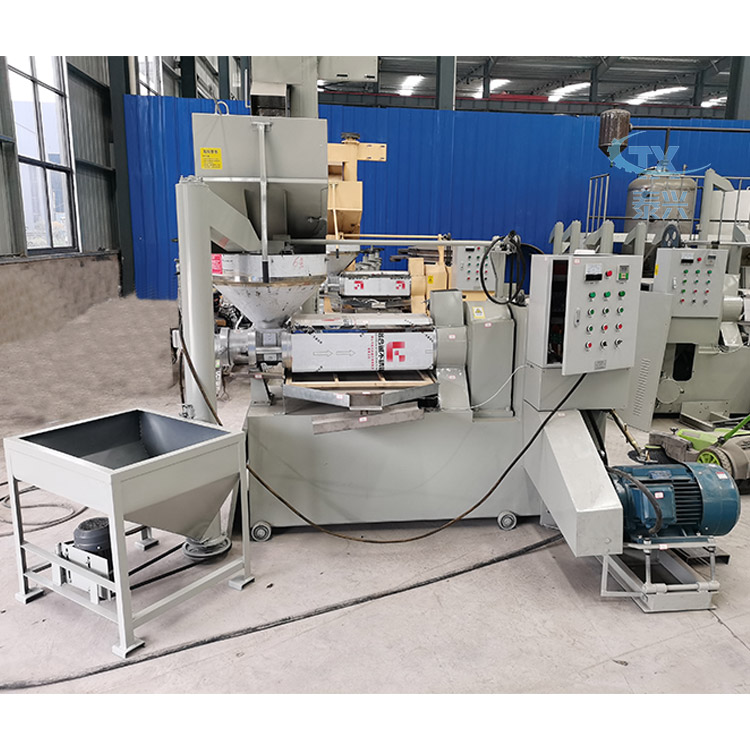
Oil content tells you what’s inside the peanut. Oil yield (what your plant actually gets) depends on your method. Two processors can buy the same kernels and report very different yields because of equipment, pretreatment, and how much oil remains in the cake/meal.
Typical recoverable oil yield by extraction method (reference)
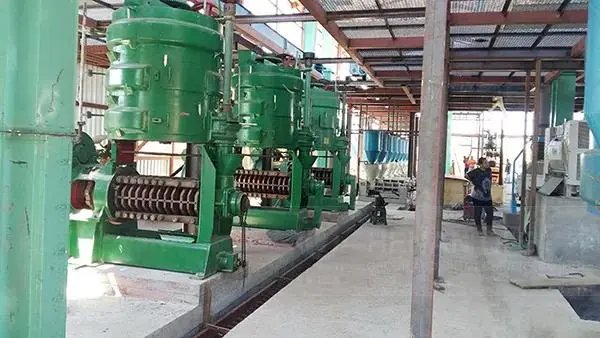
- Mechanical pressing (cold/expeller): often recovers 75–88% of the oil in the kernel. Residual oil in cake commonly lands around 6–12% (can be higher if settings are conservative).
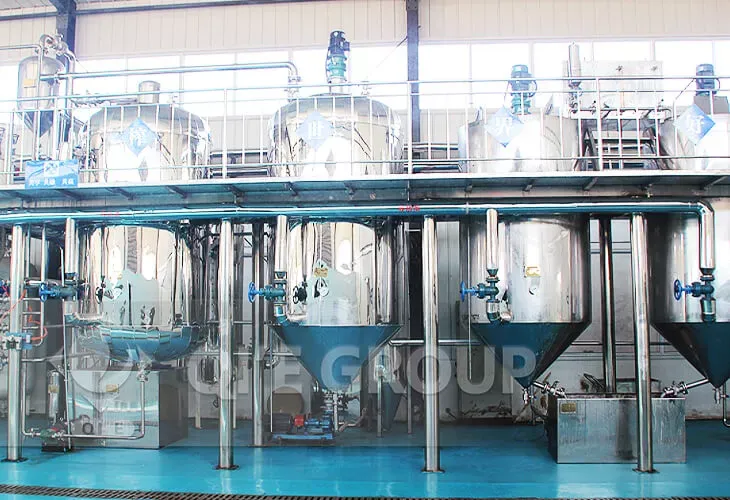
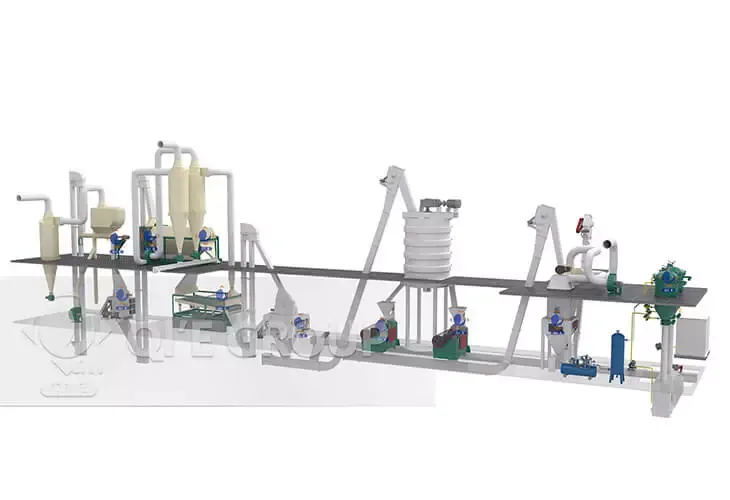
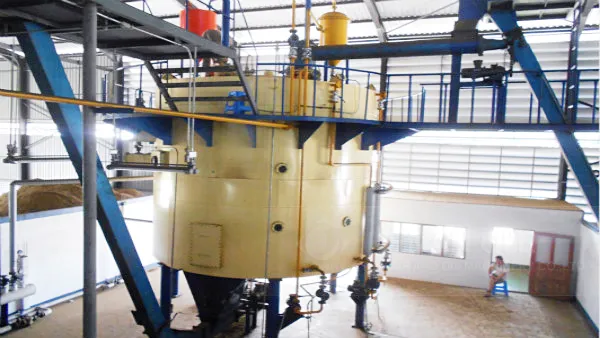
- Pre-press + solvent extraction: can recover 92–98% of kernel oil, typically driving residual oil in meal down to 0.8–2.0%.
- Solvent-only extraction (industrial): similar recovery to the above when done well, but requires strong compliance controls and refined downstream handling.
A practical way to estimate: if your peanuts have 48% oil content and you run a good expeller setup recovering 85% of that oil, your “as processed” crude oil yield is roughly 40.8% of kernel mass (0.48 × 0.85).
3) Quick Calculations You Can Use in a Sourcing Call
Buyers and sellers often speak in different units: some quote per ton of in-shell peanuts, others per ton of kernels. Here are clean reference conversions that help align expectations.
Rule-of-thumb yield examples (reference scenarios)
| Starting material | Assumptions | Estimated crude oil output | What can shift it |
|---|---|---|---|
| 1 ton peanut kernels | 48% oil; expeller recovery 85% | ~408 kg | Moisture, flaking, press settings, temperature control |
| 1 ton peanut kernels | 48% oil; solvent recovery 96% | ~461 kg | Extractor efficiency, desolventizing, losses in refining |
| 1 ton in-shell peanuts | Kernel outturn 68%; kernel oil 48%; expeller 85% | ~277 kg | Shelling efficiency, kernel breakage, foreign matter |
Important detail: the numbers above describe crude oil out of extraction. If you refine, you may see additional process losses (a common planning allowance is 1–3% depending on crude quality and refining route).
4) The Biggest Factors That Change Peanut Oil Yield
If you want more oil per ton, the fastest wins usually come from controlling a few variables—many of which can be verified before shipment.
Moisture content
Too wet reduces press efficiency and can raise emulsions; too dry can increase fines and losses. Many pressers target kernel moisture around 6–8% for stable operation (your exact target depends on process and conditioning).
Kernel grade, maturity, and sorting
Mature, well-filled kernels typically carry higher oil and press more consistently. Mixed maturity lots can swing oil content by several percentage points, which matters when you scale to containers.
Pretreatment: cleaning, dehulling, flaking, cooking
Clean material reduces “dead weight.” Dehulling can improve extraction and meal quality. Proper flake thickness and cooking/conditioning help oil release; inconsistent pretreatment is a common cause of high residual oil in cake.
Storage and quality risks (oxidation, FFA)
Poor storage doesn’t always reduce oil content, but it can hurt usability and refining losses. Rising FFA and oxidation can force harsher refining, which means more neutral oil loss and sometimes darker color challenges.
5) What to Ask Suppliers (So the Yield You Model Matches the Yield You Get)
If you’re negotiating peanuts specifically for oil, the most expensive mistake is assuming “average” values without verifying basis and condition. A simple, professional checklist can prevent surprises.
Supplier data checklist (buyer-friendly)
- Oil content test method (e.g., Soxhlet) and whether results are as-is or dry basis
- Moisture (%), foreign matter (%), and broken kernels (%)
- Aflatoxin control and storage conditions (especially for food-grade oil chains)
- High-oleic status (if needed) and basic fatty acid profile targets
- Packaging and transit protection to prevent moisture pickup and rancidity
When these items are clear, your oil-yield model becomes far more accurate—and supplier conversations get calmer, faster, and more technical (in the good way).
6) A Simple “Good Yield” Benchmark for Planning
For many commercial operations, a realistic planning benchmark looks like this:
- Kernel oil content: plan around 45–50% unless you have verified lab data
- Expeller recoverable oil: often lands around 38–43% of kernel weight (depends on press settings and conditioning)
- Solvent route recoverable oil: often reaches 43–48% of kernel weight (higher recovery, more complex compliance)
If your actual performance falls outside these bands, it’s usually traceable to moisture control, kernel quality, pretreatment consistency, or equipment tuning—rather than “mystery market factors.”
Want Higher Peanut Oil Yield Per Ton (Without Guesswork)?
Work with 企鹅集团 to align raw material specs, lab testing basis, and extraction targets—so your projected yield matches real production. If you’re sourcing peanut kernels for pressing or solvent extraction, we can help you define the right quality parameters and shipment-ready documentation.
Request Peanut Kernels for Oil Extraction Specs & Supply SupportTypical response includes: target oil content range, moisture/FFA guidance, documentation checklist, and a practical yield estimate for your chosen extraction route.






.jpg?x-oss-process=image/resize,h_1000,m_lfit/format,webp)
.jpg?x-oss-process=image/resize,h_1000,m_lfit/format,webp)


