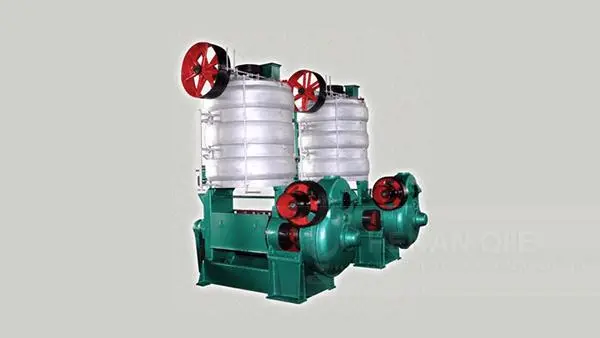
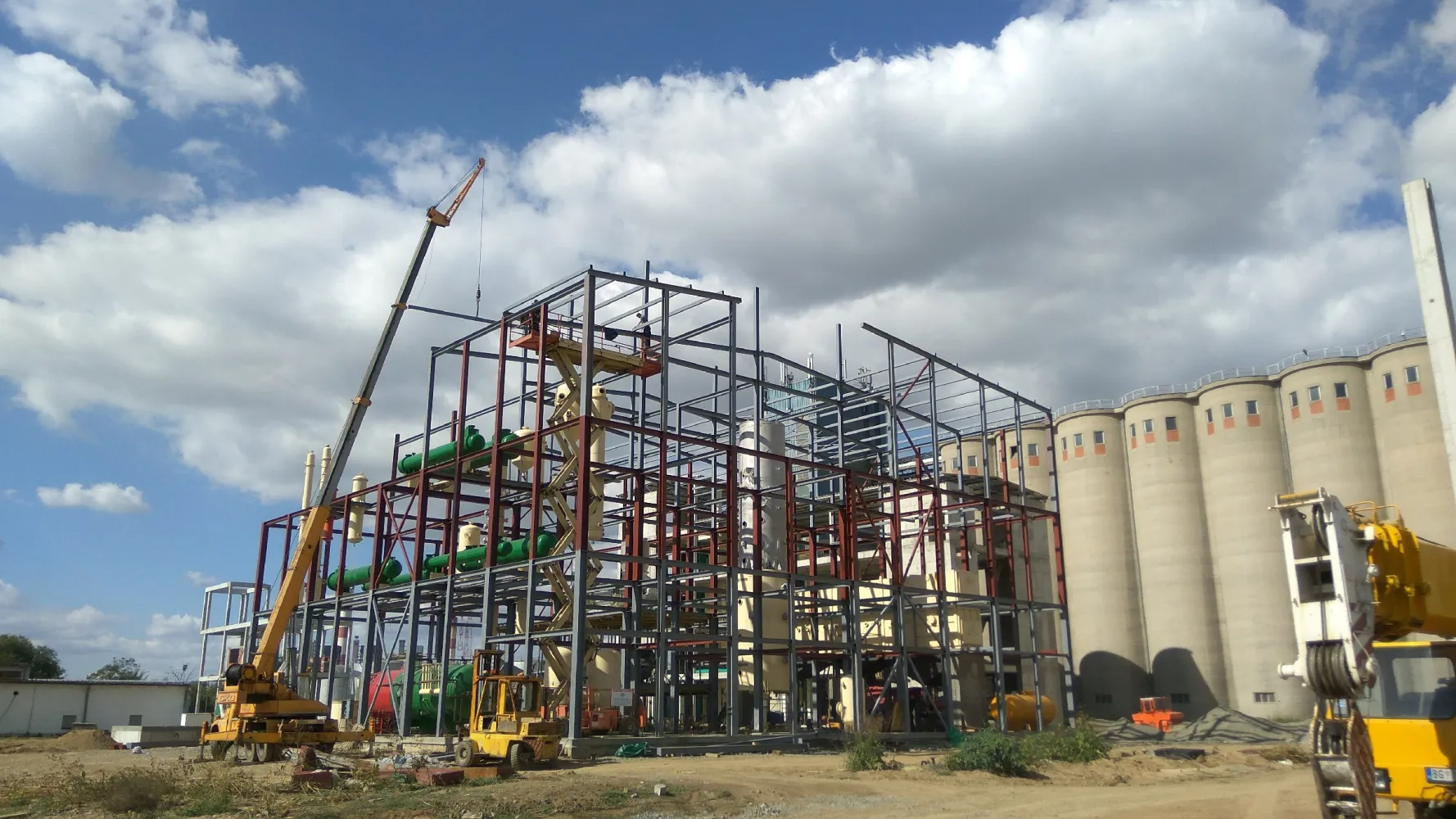
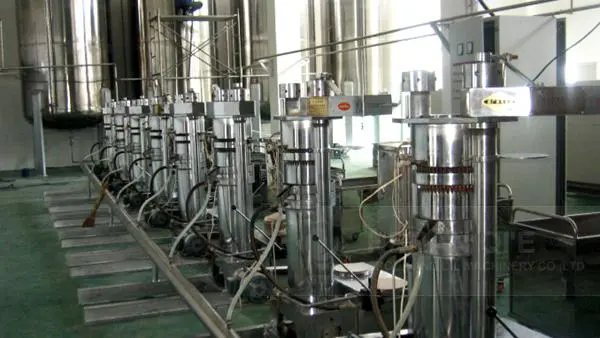
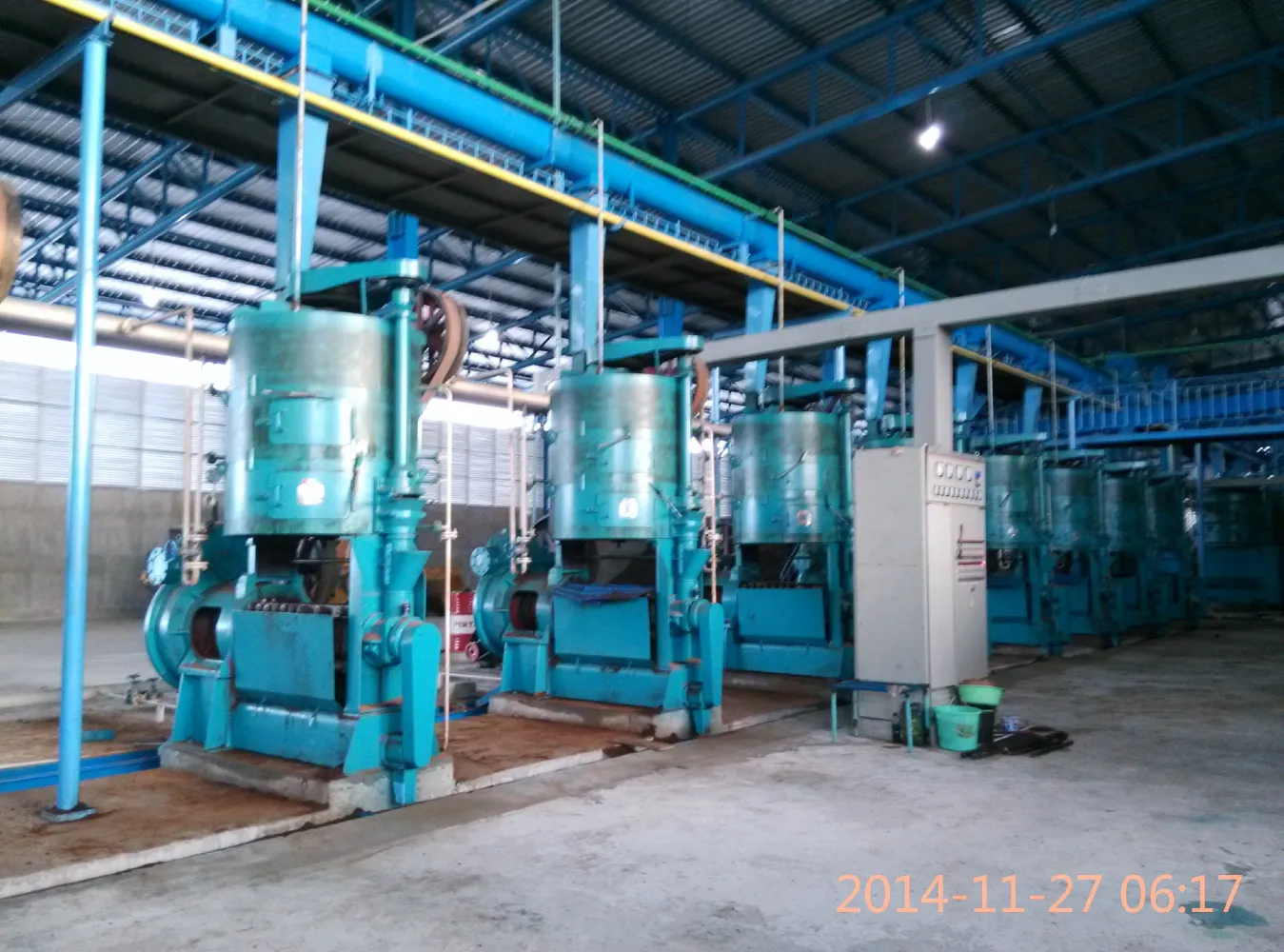
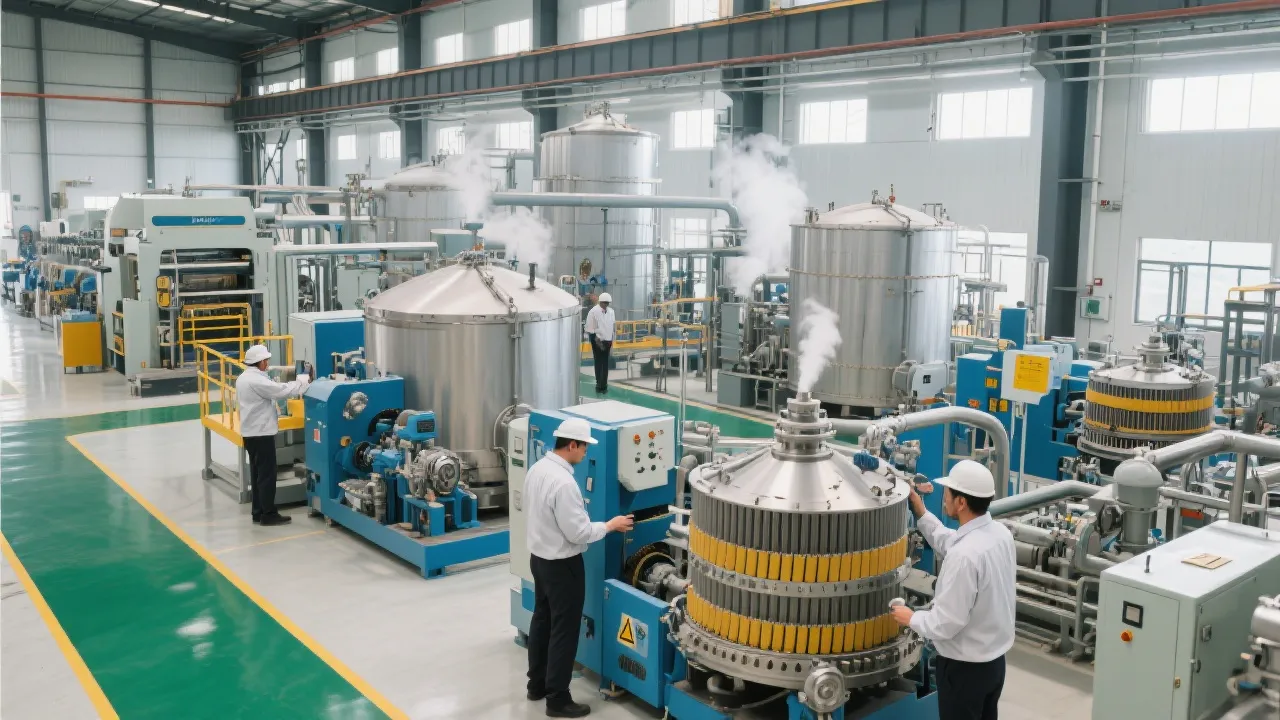
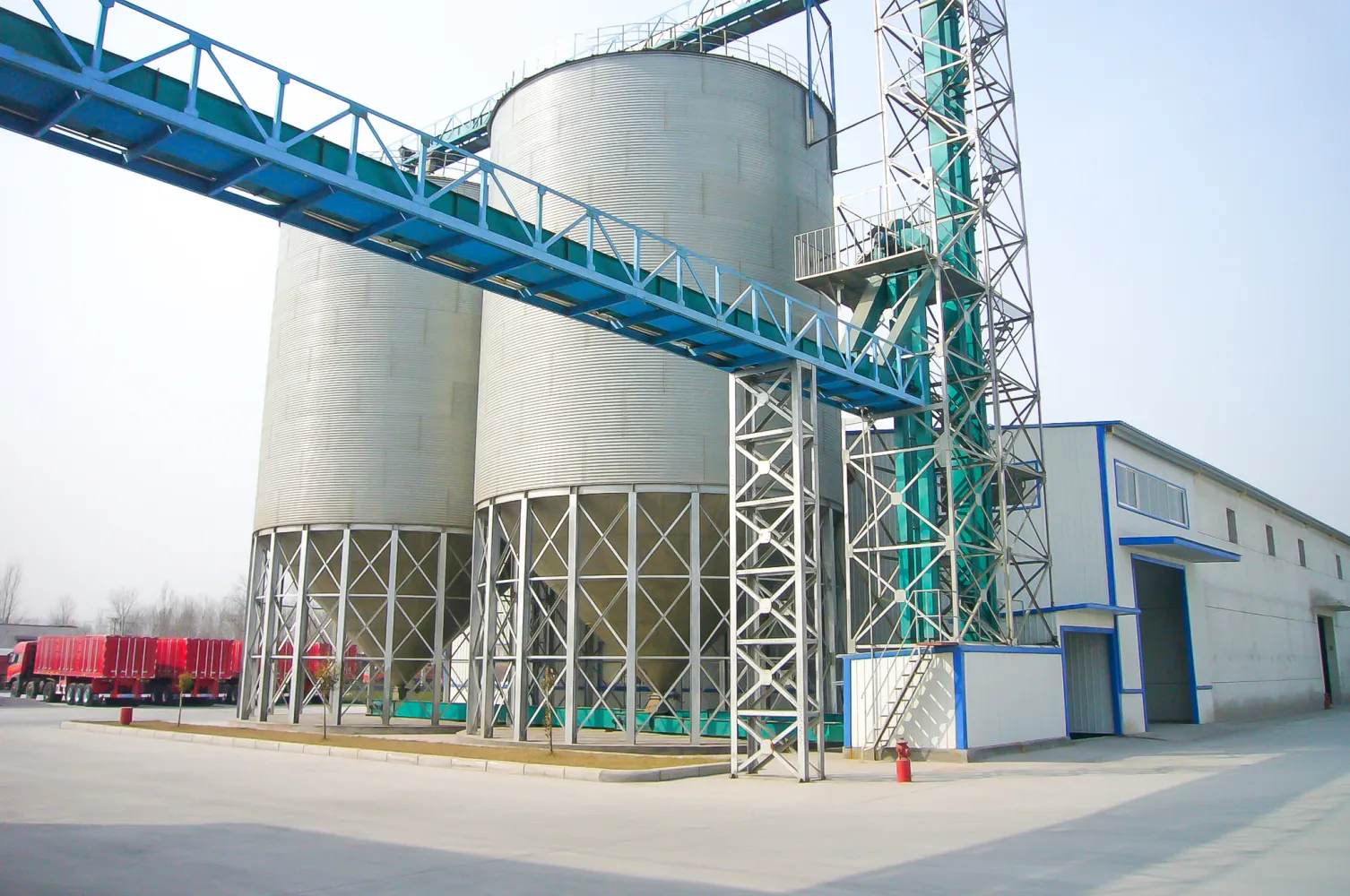
The modern food processing industry demands equipment that is not only high-yielding but also reliable and easy to maintain. The fully automated peanut oil press from Qiyu Group represents the pinnacle of efficiency and robustness designed for small-scale commercial and household grain oil processing. With a focus on fault prevention and rapid troubleshooting, this article provides a comprehensive maintenance and emergency response guide that aligns with global procurement standards and supports operational continuity.
Routine care is fundamental to preserving the integrity and performance of the peanut oil press. Regular cleaning prevents residual peanut particles from accumulating, which can otherwise reduce oil yield by up to 12%, according to industry maintenance reports. Applying anti-corrosive treatments on metallic surfaces mitigates rust risk, especially in humid environments.
Lubrication of moving parts ensures smooth operation of gears and bearings, reducing friction-induced wear by an estimated 15%. Employing food-grade lubricants is essential to ensure safety and avoid contamination.
The advanced automation module embedded within the machine continuously monitors temperature, pressing pressure, and motor load. It can detect deviations such as abnormal motor currents or rising chamber temperatures, which often precede system faults. Early alerts empower operators to adjust screw speeds and pressing cycles effectively, enhancing longevity and maintaining optimal oil extraction rates that typically average around 48% for high-quality nuts.
| Fault | Cause | Solution |
|---|---|---|
| Material Jam (Card Material) | Improper raw peanut moisture (above 10%), debris in feed hopper | Dry nuts to recommended moisture, clean hopper regularly, use automated purge mode |
| Reduced Oil Yield | Worn pressing screws, incorrect pressure settings | Replace or refurbish screws every 1000 operational hours, optimize pressing parameters as per machine control panel |
| Electrical Abnormalities | Loose connections, voltage fluctuations | Inspect wiring monthly, install voltage stabilizers, utilize emergency power cut-off |
Strict adherence to safety protocols ensures that operators remain protected while minimizing downtime. Before any maintenance task, operators should disconnect power supply and discharge internal pressure. Personal protective equipment (PPE) such as gloves and safety glasses must be worn at all times.
Additionally, clear labeling of control buttons and emergency stops, reinforced by onboard sensor alerts, contributes to preventing operational errors. Incorporating these practices consistently reduces accident rates by over 30%, reinforcing a safer production environment.
A recent study of Qiyu Group’s installation in a mid-sized peanut oil processor in Southeast Asia reported an average equipment uptime increase from 85% to 96% after implementing the recommended daily and automated checks. This translated to a monthly output increase of nearly 20%, alongside a 25% reduction in unexpected repair costs.
Such data confirms that systematic maintenance paired with smart automation fosters operational excellence and drives compelling ROI for buyers worldwide.
Q1: How often should the machine be cleaned?
It is recommended to clean the oil press thoroughly after every 8-hour operation cycle to prevent residue buildup.
Q2: What is the optimal moisture for peanuts before pressing?
Maintain peanut moisture between 6-8% for best pressing efficiency and minimum blockages.
Q3: Can the automation system adjust parameters automatically?
Yes, the control system features auto-calibration to optimize pressing speed and temperature based on real-time data inputs.
Maximize your output and minimize downtime with equipment designed for easy operation and long-term reliability.
Request a Quote Now