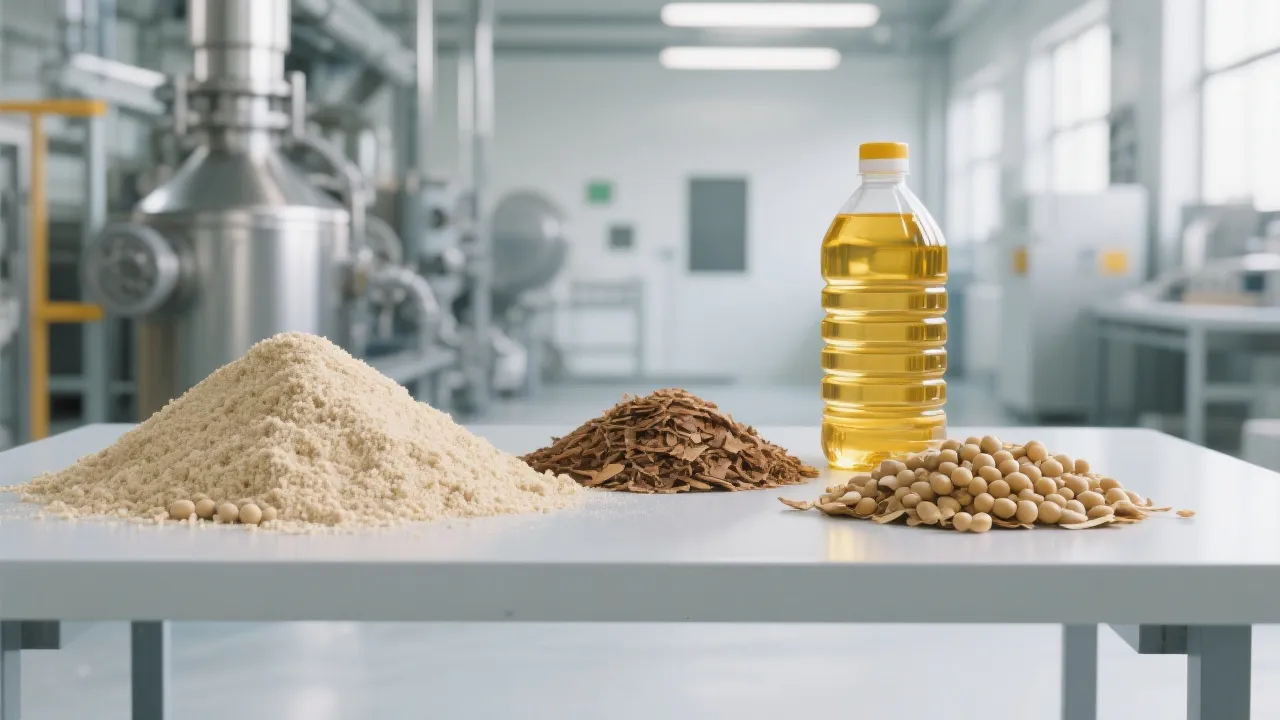
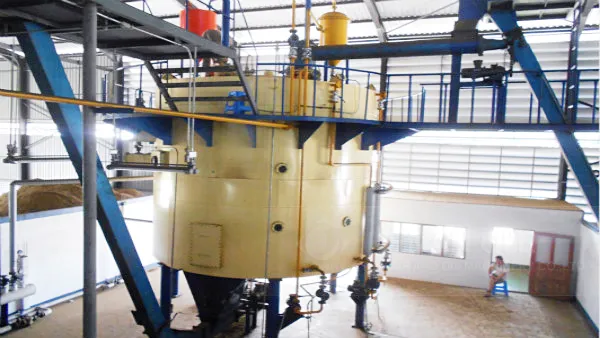
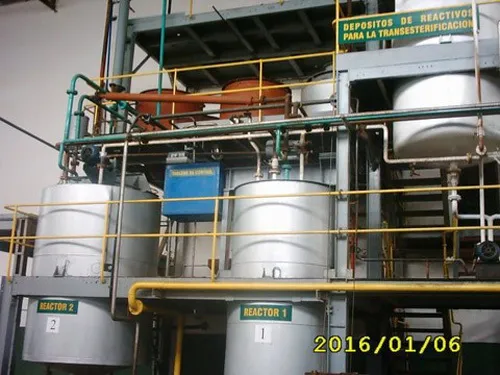
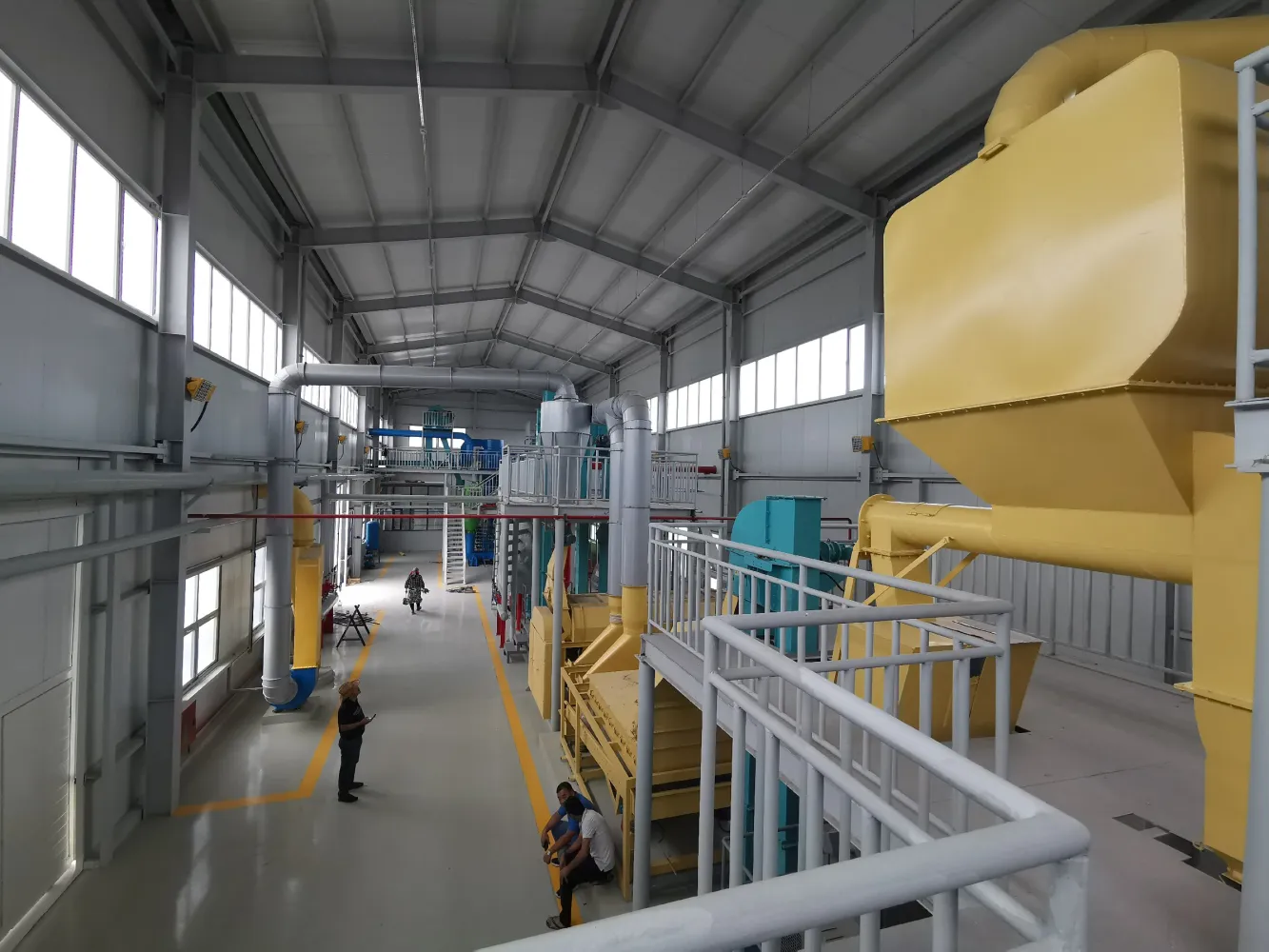
Enhancing the yield and purity of castor oil depends heavily on selecting the right equipment across the entire extraction process. From seed cleaning and dehulling to roasting, pressing, filtration, and refining, each stage presents unique challenges that impact efficiency and product quality. This guide dissects key machinery such as vibrating screens, spiral oil presses, and refining units, providing actionable insights to optimize your production line for higher output and consistent quality.
The castor oil extraction workflow typically involves these critical stages:
Efficient seed cleaning is foundational. Vibrating screens designed for castor seeds must handle various sizes and remove stones, dust, and husks efficiently. Typical machines offer screen sizes between 1.0 - 2.0 mm mesh with adjustable amplitude and frequency to optimize impurity separation.
Castor seeds feature particularly hard shells with moisture content often above 10%, which complicates dehulling. Contemporary decorticators with robust rotor assemblies and adjustable separation chambers can reduce hull presence by up to 85%, significantly improving oil yield during pressing (targeting 45%-55% oil content extraction).
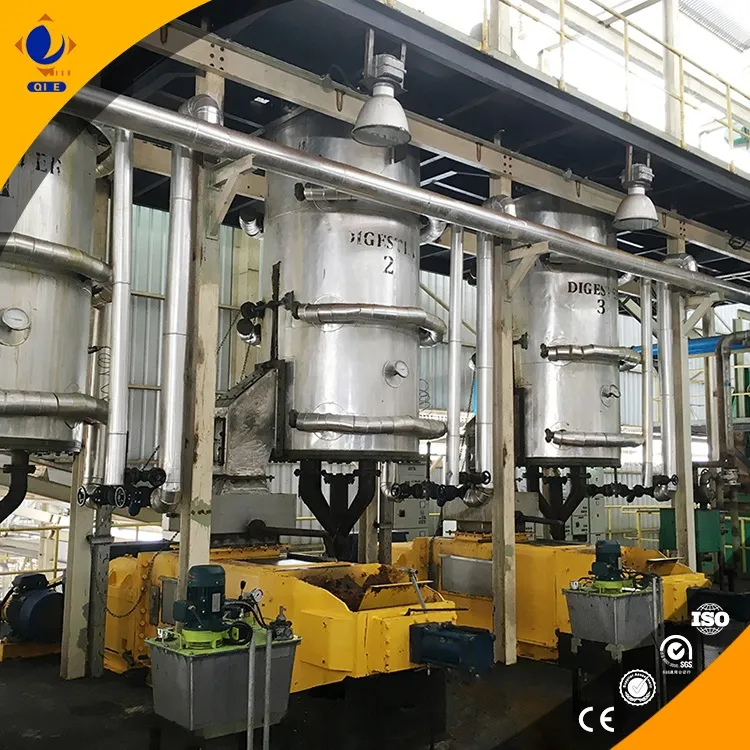
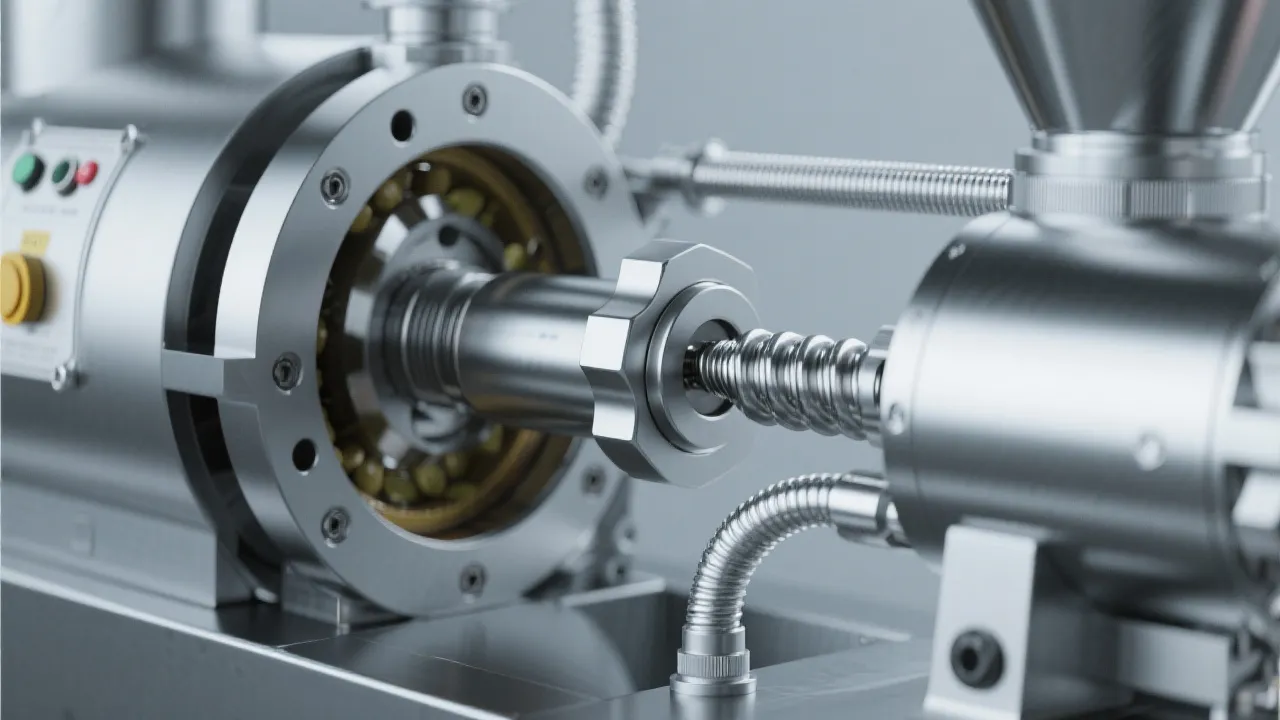
The spiral pressing mechanism is paramount for mechanical extraction. Selecting presses with variable speed drives and precise temperature controls enhances the oil extraction ratio—industry benchmarks suggest mechanical extraction rates ranging from 48% to 52% under optimal processing conditions. Machine designs incorporating advanced screw profiles can enhance residual oil reduction and throughput.
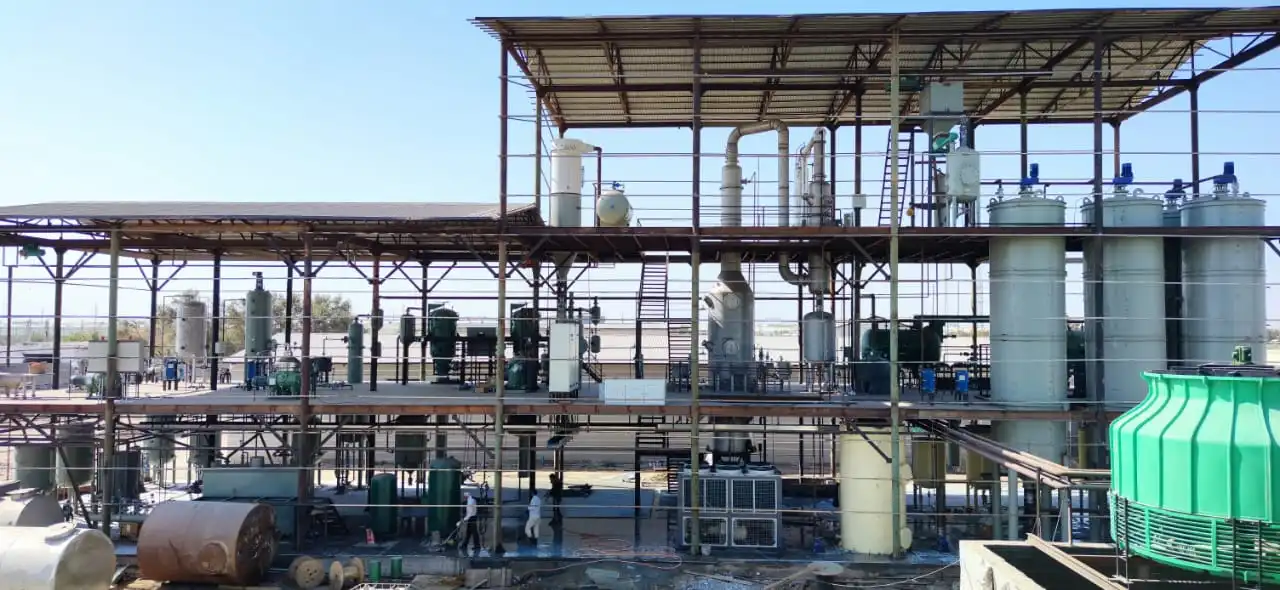
Post-pressing filtration ensures removal of particulate matter, with multi-stage filter systems helping achieve oil clarity above 98%. Refining units focusing on degumming, neutralization, bleaching, and deodorization stages contribute to final oil purity above 99.5%, meeting international standards for edible and industrial applications.
Addressing industry pain points such as high shell hardness or moisture variability involves tailored configurations. Combining pre-drying modules, multi-stage shelling, and temperature-controlled pressing lines can increase production efficiency by 30% or more.
| Key Parameter | Optimal Range / Value | Impact on Production |
|---|---|---|
| Seed Moisture Content | 7% - 10% | Prevents pressing inefficiency and mold growth |
| Oil Extraction Rate | 48% - 52% | Maximizes yield from raw seeds |
| Shell Removal Efficiency | ≥ 85% | Reduces equipment wear and improves purity |
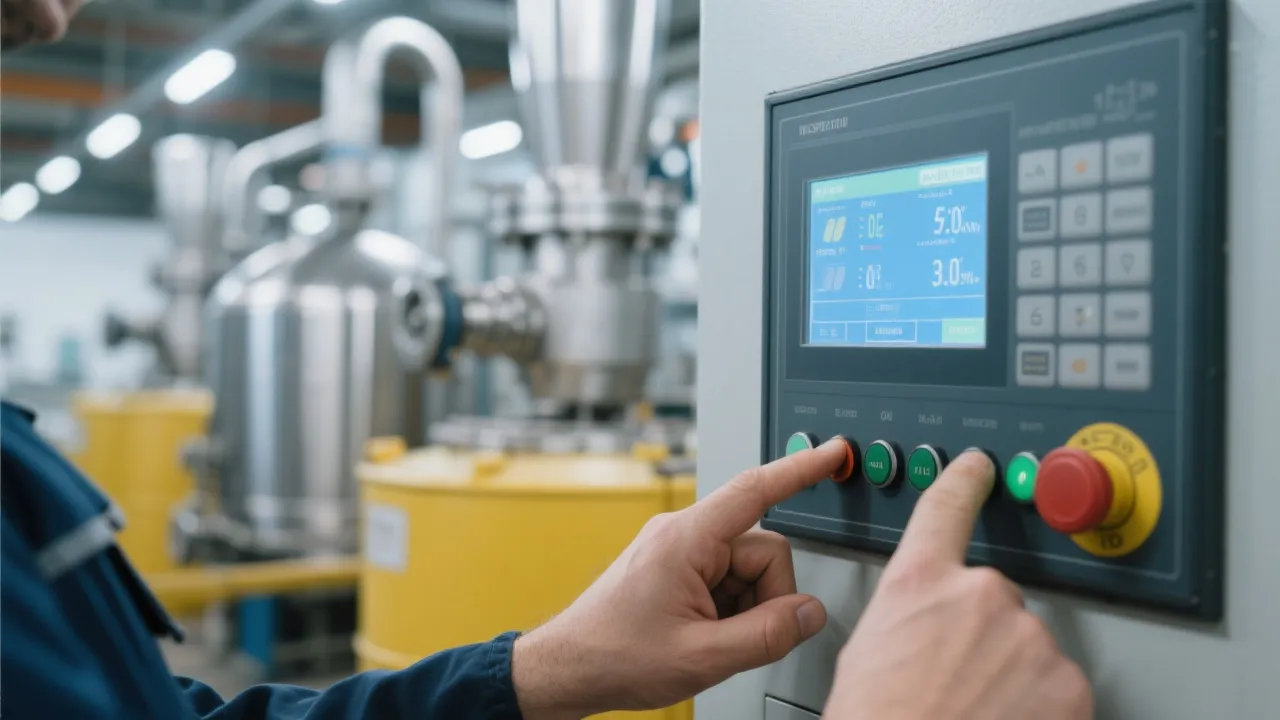
"Integrating precision-controlled roasting and variable-speed spiral presses tailored to castor seed characteristics significantly elevates both yield and oil clarity. The upfront investment in adaptive equipment typically pays off with a 20-30% ROI within the first operational year." — Dr. Angela Martinez, Castor Oil Processing Consultant
Mastering the equipment selection logic outlined here not only improves operational efficiency but also ensures a stable and high-purity castor oil product. Leveraging advanced machinery with the right configurations can enhance production line efficiency by over 30%, reduce downtime, and maintain compliance with quality benchmarks.
Discover How to Boost Your Castor Oil Production Efficiency Today!