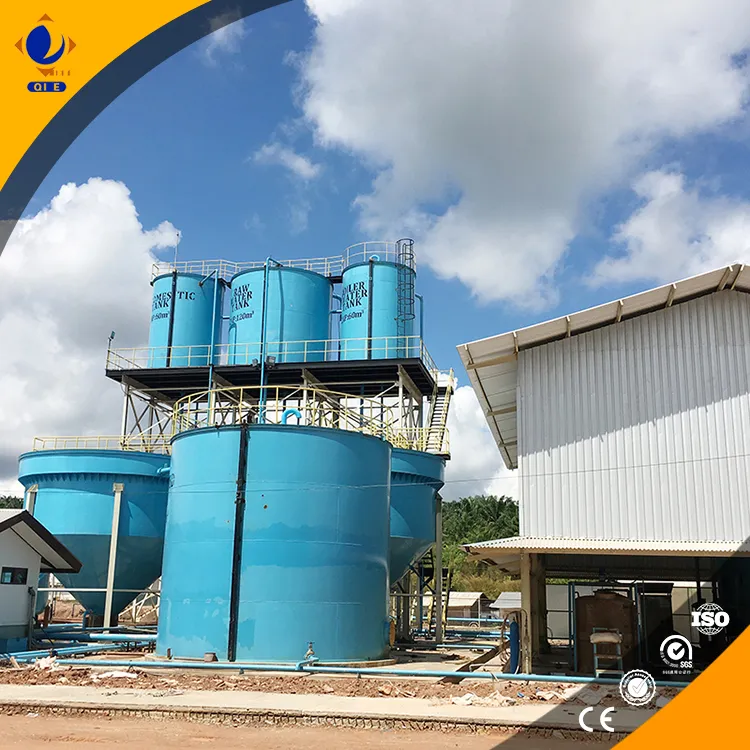
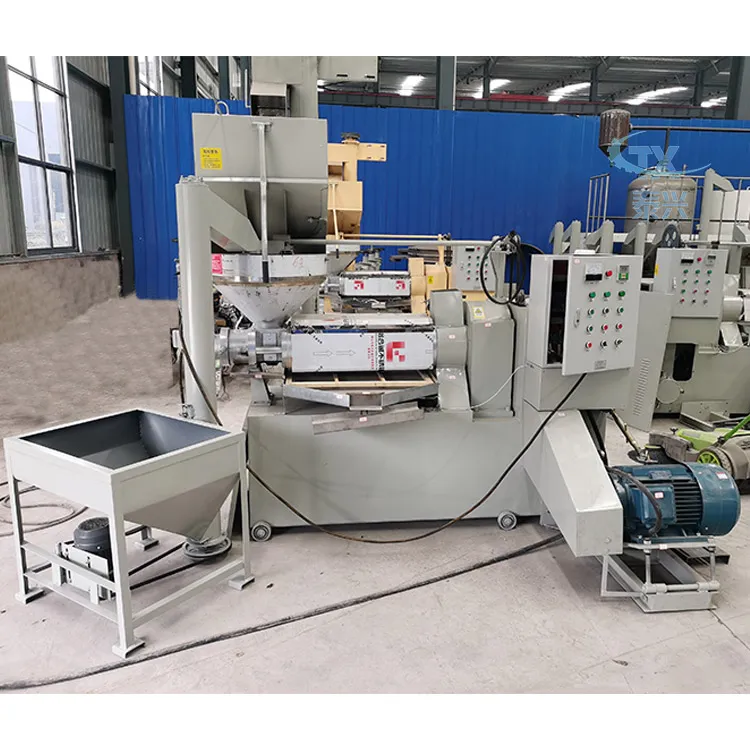
Raw Peanuts → Cleaning → Shelling → Crushing → Conditioning → Oil Extraction → Clarification → Refining → Cooking Oil
The exact process depends on peanut quality, kernel condition, moisture, required oil recovery, processing capacity, extraction method, and finished-oil specifications. Peanut oil, also known as groundnut oil or arachis oil, is obtained from the seeds of Arachis hypogaea.
Peanut Oil Processing Flow
| Processing Step | Main Purpose | Typical Equipment |
|---|---|---|
| Cleaning | Remove stones, dust, stems and foreign materials | Cleaner, screen, destoner, magnet |
| Shelling | Separate hulls from kernels | Peanut sheller |
| Crushing | Reduce kernel size and expose oil-bearing material | Crusher or flaker |
| Conditioning | Adjust moisture and temperature before extraction | Cooker or conditioner |
| Oil extraction | Separate oil from prepared kernels | Screw press or solvent extractor |
| Clarification | Remove suspended solids from crude oil | Settling tank, centrifuge, filter |
| Refining | Produce oil that meets the required finished-oil specification | Refining system |
The process should be designed as one integrated system. Problems in cleaning, shelling, preparation or conditioning can reduce extraction performance even when the oil press or extractor itself is correctly selected.

Step 1: Clean and Shell the Peanuts
The first stage is to prepare the raw peanuts for oil processing.
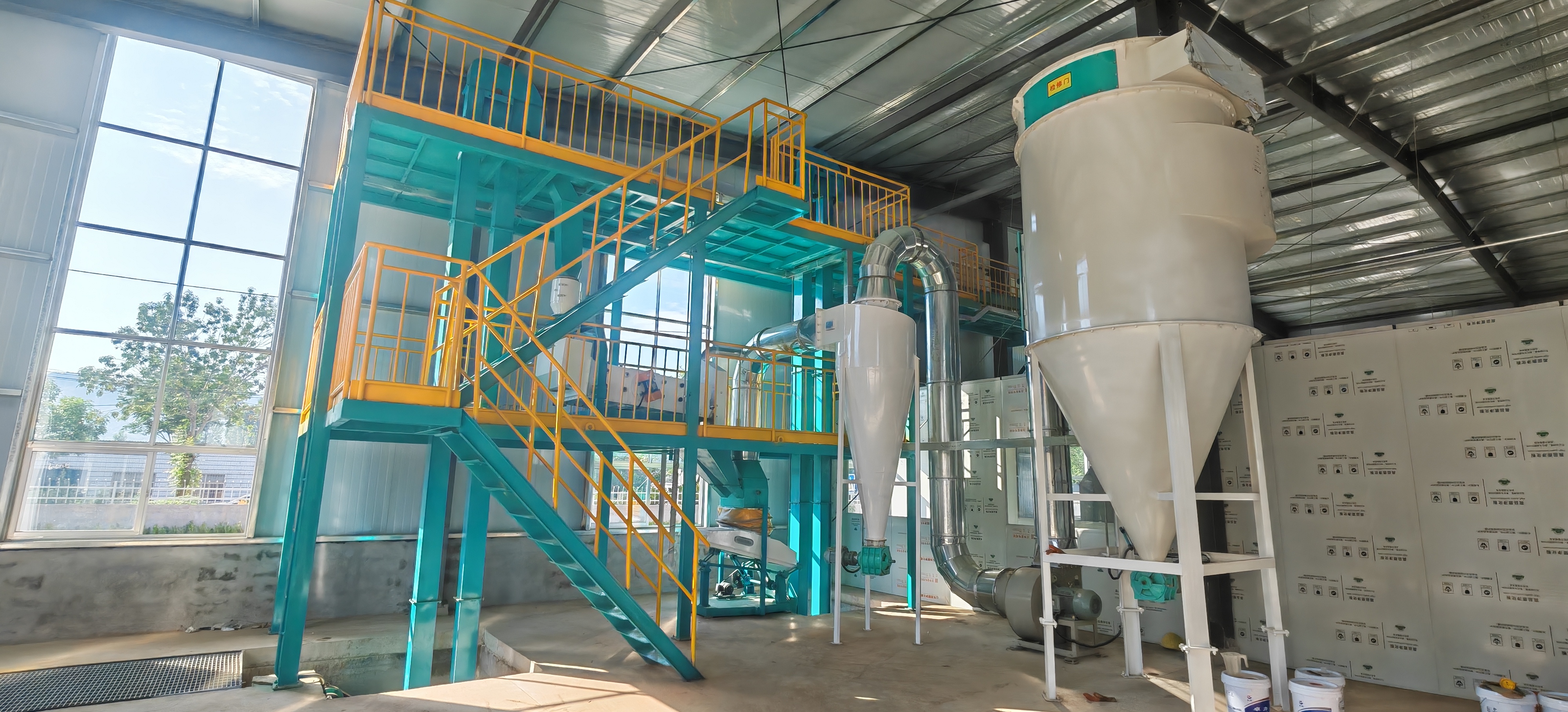
Raw peanuts may contain soil, stones, dust, stems, metal particles and other foreign materials. Cleaning equipment normally uses screening and aspiration, with destoning or magnetic separation where required.
Effective cleaning reduces contamination and equipment wear while providing a more consistent feed for the shelling section.
After cleaning, the peanuts are normally shelled when the process is designed to extract oil mainly from the kernels.
The basic separation is:
Peanut Hulls → Hull Handling
Peanut Kernels → Oil Processing
Shelling should remove as much unnecessary hull material as practical without causing excessive kernel breakage. Incomplete shelling can send too much hull material into the downstream process, while excessive mechanical action can damage the kernels.
Step 2: Crush and Condition the Peanut Kernels
After shelling, the kernels are prepared for extraction through size reduction and conditioning.
Crushing
Crushing breaks the kernels into smaller pieces and exposes more oil-bearing material.
The objective is not to make the particles as fine as possible. Excessive fines can affect material flow and may complicate downstream extraction. Particle size should therefore be matched to the selected extraction system.
Conditioning
Conditioning controls the temperature and moisture of the prepared kernels before pressing or further extraction.
The purpose is to make the material more suitable for oil release and improve its behavior during extraction. Moisture and temperature should be controlled together because both can affect oil recovery and oil quality.
There is no single conditioning setting that applies to every peanut raw material. Processing conditions should be established according to the peanut characteristics and the selected equipment rather than copied from a fixed operating value.
Step 3: Extract Oil from the Peanuts
After preparation and conditioning, the kernels enter the oil extraction section.
The two main extraction approaches are:
Mechanical pressing
Solvent extraction
The choice depends mainly on plant capacity, required oil recovery, investment scope, product requirements and the desired configuration of the oil and meal sections.
Mechanical Pressing
A screw oil press compresses the prepared peanut material and separates crude oil from the solid press cake.
The basic flow is:
Prepared Peanuts → Screw Press → Crude Peanut Oil + Press Cake
Mechanical pressing is relatively straightforward to integrate into a commercial peanut oil processing line. Actual oil recovery depends on raw-material condition, particle preparation, moisture, conditioning, feed rate and press operating conditions.
For equipment selection, the objective should be stable oil recovery at the required throughput, rather than simply maximizing pressure or temperature.

Solvent Extraction
Solvent extraction uses a solvent to remove oil from prepared oilseed material. Proper preparation remains important because conditioning, cracking, dehulling, flaking and, where applicable, pre-pressing or expanding all influence extraction performance.
The simplified route is:
Prepared Material → Extraction → Miscella → Solvent Recovery → Crude Oil
Solvent extraction may be considered for larger-scale systems where higher oil recovery is an important design objective.
The choice between pressing and solvent extraction should therefore be made together with the design of the upstream preparation section rather than as a separate equipment decision.
Step 4: Clarify and Refine the Crude Peanut Oil
Extraction does not necessarily produce finished cooking oil. The oil leaving the press or extractor is crude peanut oil, which normally contains suspended solids and other components that must be controlled before the oil is sold or used as a refined cooking oil.
Crude Oil Clarification
The first task is to remove suspended solids.
A typical clarification sequence may include:
Screening → Settling or Centrifugation → Filtration
The exact equipment depends on the quantity and characteristics of solids in the crude oil.
Good clarification reduces the solids entering downstream refining and provides a more consistent feed for the refining system.
Refining the Peanut Oil
For refined cooking oil, the crude oil may pass through several treatment stages depending on its quality and the required finished product:
Degumming → Neutralization or Deacidification → Bleaching → Deodorization → Final Filtration
The purpose of refining is to reduce undesirable components and produce oil that meets the required finished-oil specification.
The refining system should therefore be selected according to the quality of the crude peanut oil and the specification of the final cooking oil rather than using the same configuration for every project.

What Affects Peanut Oil Yield?
Peanut oil recovery depends on the interaction between the raw material and the processing conditions.
Peanut Quality
Kernel maturity, raw-material condition and preparation method can affect extraction performance and oil quality.
Moisture
Moisture changes the physical behavior of the peanut material during pressing. The appropriate level depends on the raw material and processing method.
Particle Size
Crushing should produce material suitable for the selected extraction system. Particle size affects how the material responds to heating, compression and oil separation.
Conditioning Temperature
Heating can improve oil release, but excessive temperature or heating time can negatively affect oil quality. Conditioning should therefore be optimized rather than simply increased.
Press Operating Conditions
Pressure, feed rate and pressing time influence extraction. A stable operating range is generally more important than maximizing any single parameter.
For commercial projects, oil recovery should be evaluated across the entire process, including oil remaining in press cake and losses during clarification and refining.
What Equipment Is Needed to Process Peanuts into Cooking Oil?
A commercial peanut oil processing line typically includes the following equipment:
| Process Section | Main Equipment |
|---|---|
| Cleaning & Shelling | Peanut cleaner, vibrating screen, destoner, magnetic separator, sheller |
| Kernel Preparation | Crusher or flaker, cooker, conditioner, conveying system |
| Oil Extraction | Screw oil press or solvent extractor |
| Crude Oil Treatment | Crude oil tank, filter, settling or centrifugation equipment, pumps |
| Oil Refining | Degumming, neutralization or deacidification, bleaching, deodorization, final filtration |
| Finished Oil | Refined oil storage |
The equipment should be sized as one process system. A larger oil press cannot compensate for insufficient cleaning, shelling, conditioning, filtration or refining capacity.
For example, if the conditioning section cannot continuously supply enough prepared material, the press cannot operate at its intended throughput. Similarly, insufficient filtration or refining capacity can become the actual production bottleneck even when the extraction section has enough capacity.
Common Problems When Processing Peanuts into Cooking Oil
| Problem | Likely Cause | Practical Response |
|---|---|---|
| Low oil recovery | Incorrect moisture, preparation or conditioning | Check raw-material preparation and extraction settings |
| High residual oil in cake | Poor preparation or unsuitable press conditions | Review crushing, conditioning and feed rate |
| High solids in crude oil | Inadequate clarification | Improve screening, settling or filtration |
| Dark or degraded oil | Excessive heating or poor crude-oil quality | Check temperature, heating time and refining conditions |
| Unstable production rate | Inconsistent feed or equipment mismatch | Check material flow and section capacity |
A low oil yield does not necessarily mean the oil press is undersized or underperforming. The cause may be upstream preparation, conditioning, feed consistency or raw-material quality.
The same principle applies to crude-oil quality: excessive fines generated during extraction can increase the burden on the clarification section.
Engineering Recommendations for Peanut Oil Processing
For a commercial peanut oil project, the process should be designed from the raw peanut condition and finished-oil requirement backward through the production line.
The key checks are:
- Match preparation to extraction. Cleaning, shelling, crushing and conditioning should produce a consistent feed for the selected extraction method.
- Avoid one fixed processing setting for every peanut material. Moisture, temperature and preparation requirements can vary with the raw material and equipment.
- Evaluate total oil recovery. Do not judge performance only by press output. Oil remaining in cake and losses during downstream processing also affect final recovery.
- Design refining from the finished-oil specification. The required refining stages depend on crude-oil quality and the required product specification.
- Size the complete line around the required capacity. Cleaning, shelling, preparation, extraction, clarification and refining should have compatible throughput.
Key Takeaways
Processing peanuts into cooking oil is a connected process:
Clean → Shell → Crush → Condition → Extract → Clarify → Refine
The most important processing variables are raw-material condition, moisture, particle size, conditioning and extraction conditions.
For commercial production, the extraction method and equipment configuration should be selected according to peanut characteristics, required capacity, oil recovery target and finished-oil specification rather than using one universal process setting.
FAQ
What is the process for making cooking oil from peanuts?
The basic process is cleaning, shelling, crushing, conditioning, oil extraction, crude-oil clarification and refining. Mechanical pressing or solvent extraction can be selected according to the required production system.
Do peanuts need to be shelled before oil extraction?
For many commercial peanut oil lines, peanuts are cleaned and shelled before kernel processing. Shelling reduces unnecessary hull material entering the extraction section and allows the process to focus on the oil-bearing kernels.
How can peanut oil yield be improved?
Oil recovery can be improved by controlling raw-material moisture, particle preparation, conditioning, feed rate and extraction conditions. There is no single operating parameter that guarantees the highest recovery for every peanut type.
Is peanut oil from a screw press ready to use as cooking oil?
A screw press produces crude peanut oil rather than necessarily producing finished refined cooking oil. Clarification and, depending on the target product, further refining may be required.
What equipment is needed for commercial peanut oil processing?
A commercial line may include cleaning, shelling, crushing, conditioning, pressing or solvent extraction, crude-oil clarification, refining and storage equipment. The final configuration depends on raw material and production capacity.