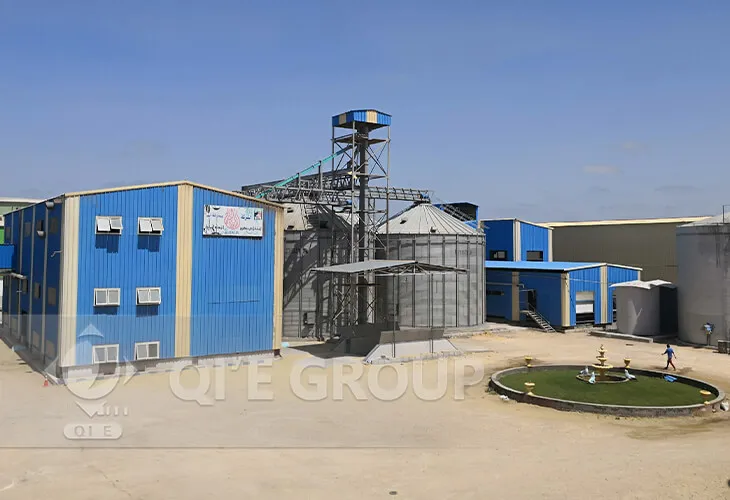
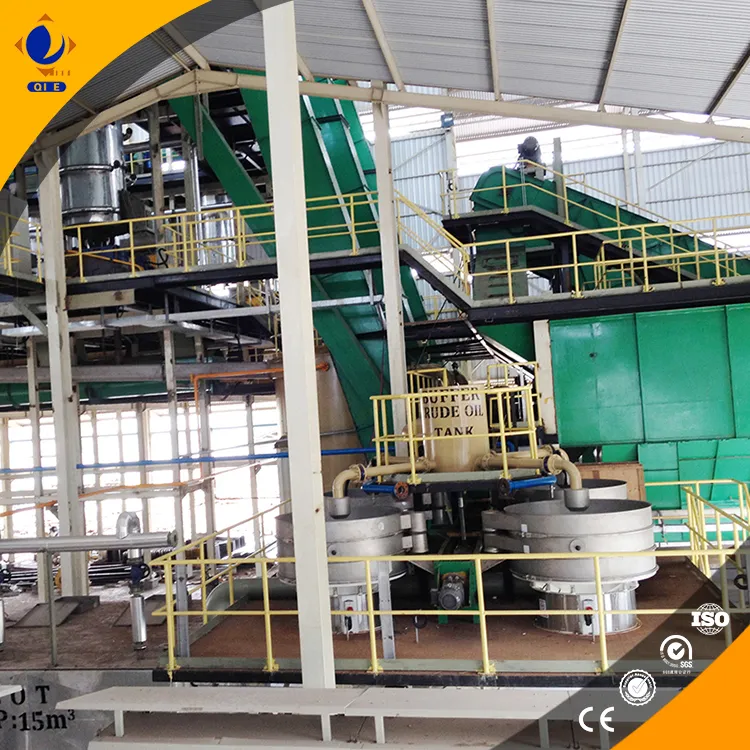
Choosing the right peanut oil mill capacity requires matching reliable peanut supply with daily processing targets, effective operating hours, and the throughput of the complete production line. The goal is to select equipment that can meet the planned output without excessive unused capacity or production bottlenecks.
Start by calculating the annual quantity of peanuts available, then convert it into a daily and hourly processing requirement. Next, determine whether the plant will process unshelled peanuts or shelled kernels, choose a suitable mechanical pressing or extraction configuration, and check that preparation, pressing, filtration, and any refining equipment can handle the required throughput.
A small peanut oil mill may suit limited local supply, while a larger peanut oil processing plant requires more reliable procurement, utilities, and coordinated equipment. The right capacity is determined by sustainable raw material supply and realistic operating conditions—not by the largest machine available.
Step 1: Calculate the Available Peanut Supply
Raw material availability is the starting point for choosing peanut oil mill capacity. Estimate how much material the factory can obtain annually and how consistently it can be delivered.
Consider three figures:
- Annual supply: The quantity supported by purchasing agreements, farm production, or reliable suppliers.
- Seasonal supply: The quantity available during harvest and other purchasing periods.
- Daily supply: The quantity that can be delivered to the factory on a normal operating day.
Use the following formula to establish a preliminary daily processing target:
For example, if a factory can secure 3,000 tonnes of processing-ready peanuts annually and plans to operate 300 days per year:
The preliminary target is therefore 10 tonnes of peanuts per operating day.
This calculation assumes that the annual supply and the plant's input capacity use the same material basis. If the supply consists of unshelled peanuts but the pressing line processes shelled kernels, account for shell removal before selecting the pressing equipment.
The annual average is also insufficient if supply varies significantly by season. Storage capacity, purchasing arrangements, working capital, and expected downtime must be considered before finalizing the plant size.

Step 2: Convert the Daily Target into Hourly Capacity
Once the daily input target is known, calculate the required average hourly throughput.
For a plant targeting 10 tonnes per day with 8 effective processing hours:
The line must therefore process an average of 1.25 tonnes per effective operating hour to meet this target.
| Daily input target | Effective operating hours | Required average throughput |
|---|---|---|
| 2 tonnes/day | 8 hours | 0.25 tonnes/hour |
| 5 tonnes/day | 8 hours | 0.625 tonnes/hour |
| 10 tonnes/day | 8 hours | 1.25 tonnes/hour |
| 20 tonnes/day | 10 hours | 2 tonnes/hour |
| 30 tonnes/day | 10 hours | 3 tonnes/hour |
These are calculation examples, not standardized commercial machine sizes. The final equipment rating must account for actual feed characteristics, startup and shutdown time, cleaning, maintenance, and interruptions.
When comparing supplier quotations, confirm whether the rated capacity refers to unshelled peanuts, shelled kernels, or prepared material entering the press. These figures cannot be compared directly without adjusting for the material basis.
Step 3: Distinguish Design Capacity, Actual Throughput, and Oil Output
These three measurements describe different aspects of plant performance and should not be used interchangeably.
| Measurement | Meaning | How it supports capacity selection |
|---|---|---|
| Design capacity | The specified processing capability under stated conditions | Helps determine equipment size |
| Actual throughput | The quantity processed over a real operating period | Shows whether the plant meets its production target |
| Finished oil output | The quantity of oil recovered after processing | Supports production planning and output estimates |
A peanut oil mill rated at 10 tonnes per day does not necessarily produce 10 tonnes of oil per day. Some of the incoming mass remains in press cake, and additional losses or yield differences may occur during processing.
Oil output depends on the oil content of the feedstock, shelling yield where applicable, raw material preparation, extraction performance, residual oil in the cake, and downstream processing.
For this reason, equipment quotations should specify both the rated feed throughput and the conditions under which that rating applies. If oil recovery is a purchasing requirement, request the relevant performance basis rather than estimating finished oil output from the machine's capacity alone.
Step 4: Match the Capacity of Every Major Equipment Section
The capacity of the complete peanut oil processing plant depends on how well its equipment works together. A high-capacity screw press cannot maintain its rated throughput if the preparation equipment supplies material too slowly or the filtration system cannot handle the resulting oil flow.
| Equipment section | Capacity requirement | Key selection factor |
|---|---|---|
| Cleaning machine | Handles incoming peanuts | Feed rate and foreign material removal |
| Shelling machine, if required | Supplies enough kernels for processing | Shelling efficiency and kernel breakage |
| Crushing equipment | Prepares material at the required rate | Particle size and feeding consistency |
| Conditioner or cooker | Supplies properly prepared material | Heating, moisture control, and residence time |
| Screw oil press | Meets the required feed throughput | Oil recovery and residual oil in cake |
| Oil filtration system | Handles the crude oil flow | Filtration rate and solids loading |
| Refining equipment, if included | Matches the planned crude oil supply | Required oil quality and processing schedule |
Choose the appropriate processing configuration
Mechanical pressing may suit projects that prioritize a relatively straightforward process and lower system complexity. Solvent extraction may be worth evaluating when higher oil recovery is required and the additional equipment, solvent handling, safety systems, and operating costs are justified.
For larger projects, compare a single higher-throughput line with multiple processing units. The choice depends on the required production rate, operating continuity, maintenance arrangements, and the cost of the complete system.
Raw material condition also affects performance. Moisture, kernel preparation, and conditioning conditions should be specified for the selected equipment and verified through appropriate process testing.
Engineering rule: Evaluate the capacity of the entire line, not just the screw press. Ask the supplier to identify the expected bottleneck and explain how the quoted throughput is calculated.
Step 5: Decide Whether a Small or Large Peanut Oil Mill Fits the Project
There is no universal capacity threshold that defines every small or industrial peanut oil mill. The appropriate size depends on raw material supply, production targets, operating schedule, and expected utilization.
| Project condition | Suitable capacity strategy | Main consideration |
|---|---|---|
| Limited or irregular peanut supply | Smaller or modular processing line | Avoiding prolonged underutilization |
| Stable supply with a defined daily target | Matched mechanical pressing line | Consistent throughput across equipment |
| Large supply supported by purchasing contracts | Higher-throughput or parallel processing line | Raw material logistics and utilities |
| Higher oil recovery is a priority | Compare pressing and extraction alternatives | Recovery gains versus added complexity |
| Future production growth is expected | Modular or expandable plant design | Compatibility with future equipment |
A larger plant is not automatically more economical. If raw material supply is insufficient, the equipment may remain underused. Conversely, an undersized line may require longer operating hours, restrict production growth, or fail to meet delivery schedules.
Before selecting a larger capacity, confirm that the additional throughput is supported by reliable supply and realistic demand forecasts. Before selecting a smaller capacity, check whether the daily target can be achieved within the intended operating schedule.
Step 6: Check Utilities, Storage, and Expansion Requirements
Supporting facilities must be able to accommodate the selected processing capacity.
- Electrical power and heating: Confirm that the available supply supports the main equipment operating together.
- Raw material storage: Provide sufficient capacity for planned inventory without compromising peanut quality.
- Oil and cake handling: Ensure storage and transfer systems can handle the quantities produced.
- Factory layout: Allow space for equipment access, material movement, and maintenance.
- Operating schedule: Include realistic downtime when estimating annual production.
- Future expansion: Check whether utilities, preparation equipment, filtration, and storage can accommodate additional processing units.
These checks help prevent a plant from being designed around a nominal machine rating that the wider facility cannot support.

Common Mistakes When Choosing Peanut Oil Mill Capacity
- Designing around peak-season supply. Use reliable annual supply and seasonal purchasing estimates rather than assuming the maximum harvest quantity will be available year-round.
- Confusing in-shell peanuts with kernels. Confirm the feed basis for each equipment rating and account for shelling yield where necessary.
- Treating input capacity as oil output. Estimate recoverable oil using realistic raw material and process assumptions, including residual oil in the cake and downstream losses.
- Oversizing the press while undersizing preparation equipment. Check that cleaning, shelling, conditioning, pressing, and filtration can support the intended throughput.
- Buying capacity without a utilization plan. Compare expected annual production with raw material availability, operating hours, and customer demand before increasing the investment.
Engineering Recommendations for Capacity Optimization
After commissioning, compare actual plant performance with the original design assumptions.
- Record actual tonnes processed per hour and per shift.
- Track oil recovery and residual oil in the press cake.
- Identify bottlenecks in preparation, pressing, and filtration.
- Maintain consistent raw material preparation and feeding.
- Review expansion options only when supply and demand justify the investment.
The correct peanut oil mill capacity is the one that meets the required production target using a realistic supply and operating plan. If projected output cannot be achieved within the available operating hours, revisit the hourly throughput and equipment configuration before finalizing the investment.
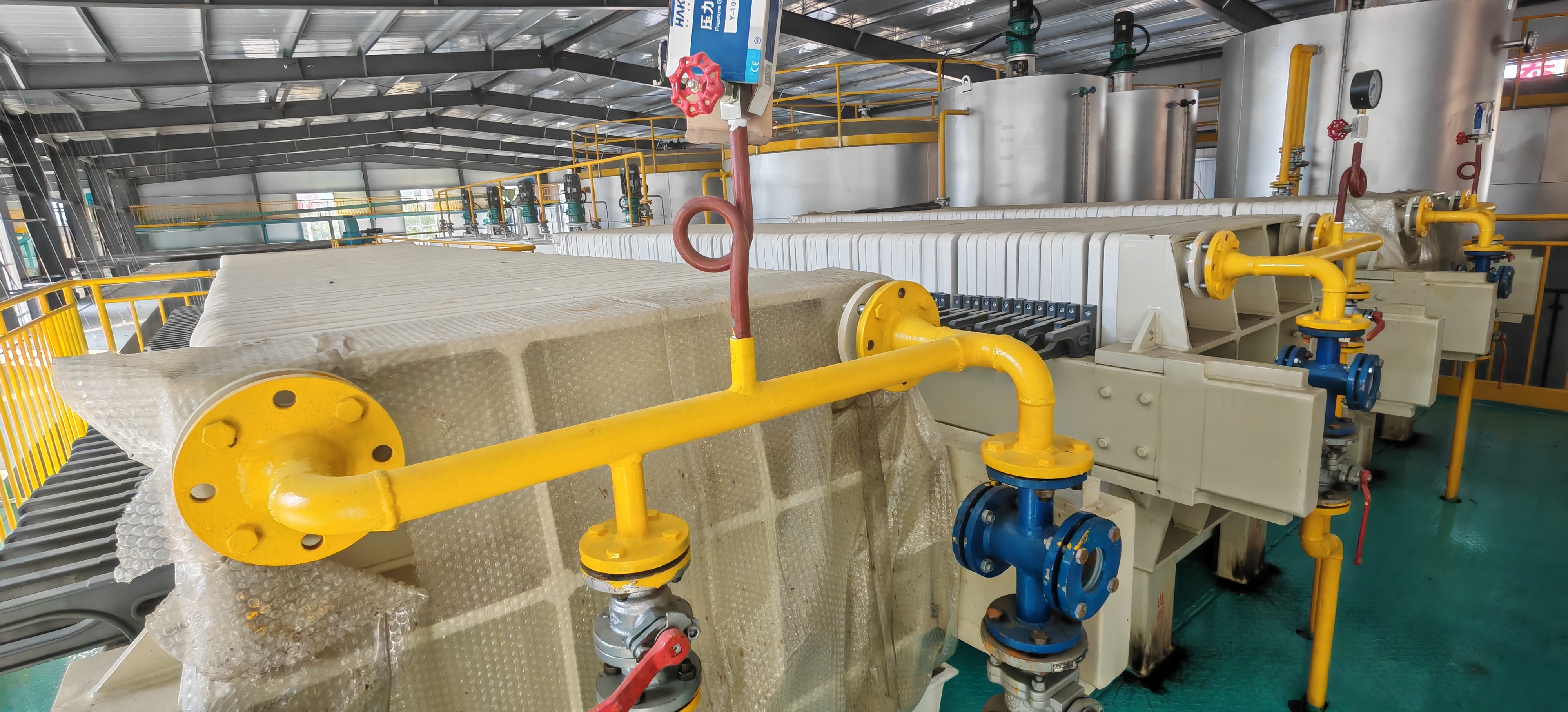
Engineering Insight: When comparing peanut oil mill quotations, confirm the feed material used for the capacity rating, guaranteed throughput, expected oil recovery, and the capacity of supporting equipment. Nominal press capacity alone is not enough to predict finished oil output.
Frequently Asked Questions
1. How do I choose the right peanut oil mill capacity?
Calculate the reliable annual peanut supply, divide it by planned operating days, and convert the daily requirement into hourly throughput. Then verify that all major equipment can handle the required rate.
2. What determines small peanut oil mill capacity?
The main factors are raw material availability, daily production targets, effective operating hours, processing method, and budget. Select equipment based on the required throughput rather than its size label alone.
3. What is the difference between peanut input capacity and oil output?
Input capacity measures the quantity of peanuts processed. Oil output measures the quantity of oil recovered. The two differ because of shell removal, residual oil in the cake, extraction performance, and processing losses.
4. Should I choose mechanical pressing or solvent extraction?
Mechanical pressing may suit projects seeking a simpler processing configuration. Solvent extraction may be appropriate when higher oil recovery justifies the additional equipment, safety controls, and operating requirements.
5. Can I expand my peanut oil mill capacity later?
Yes, if the initial design allows for additional processing units or equipment upgrades. Check utility capacity, material preparation, filtration, storage, and factory layout before finalizing the initial investment.
Ready to Start Your Peanut Oil Mill Project?
Contact our engineering team today for expert consultation, custom plant layout design, and detailed equipment quotations.
Contact Us Now