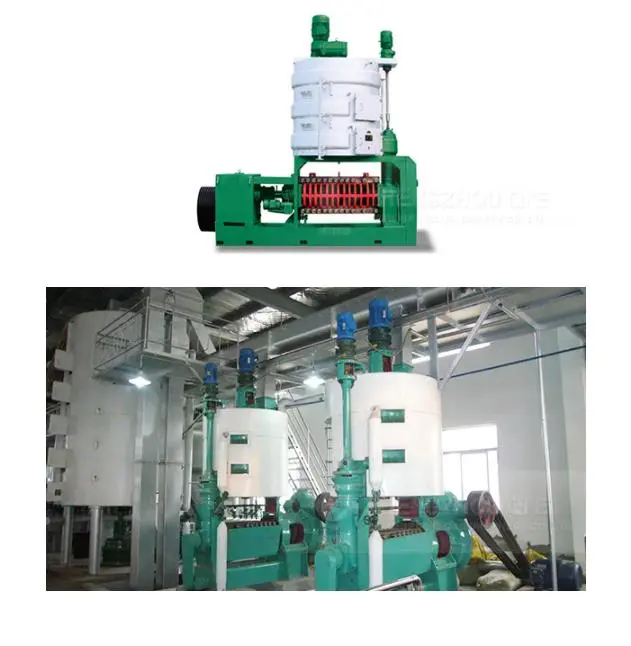
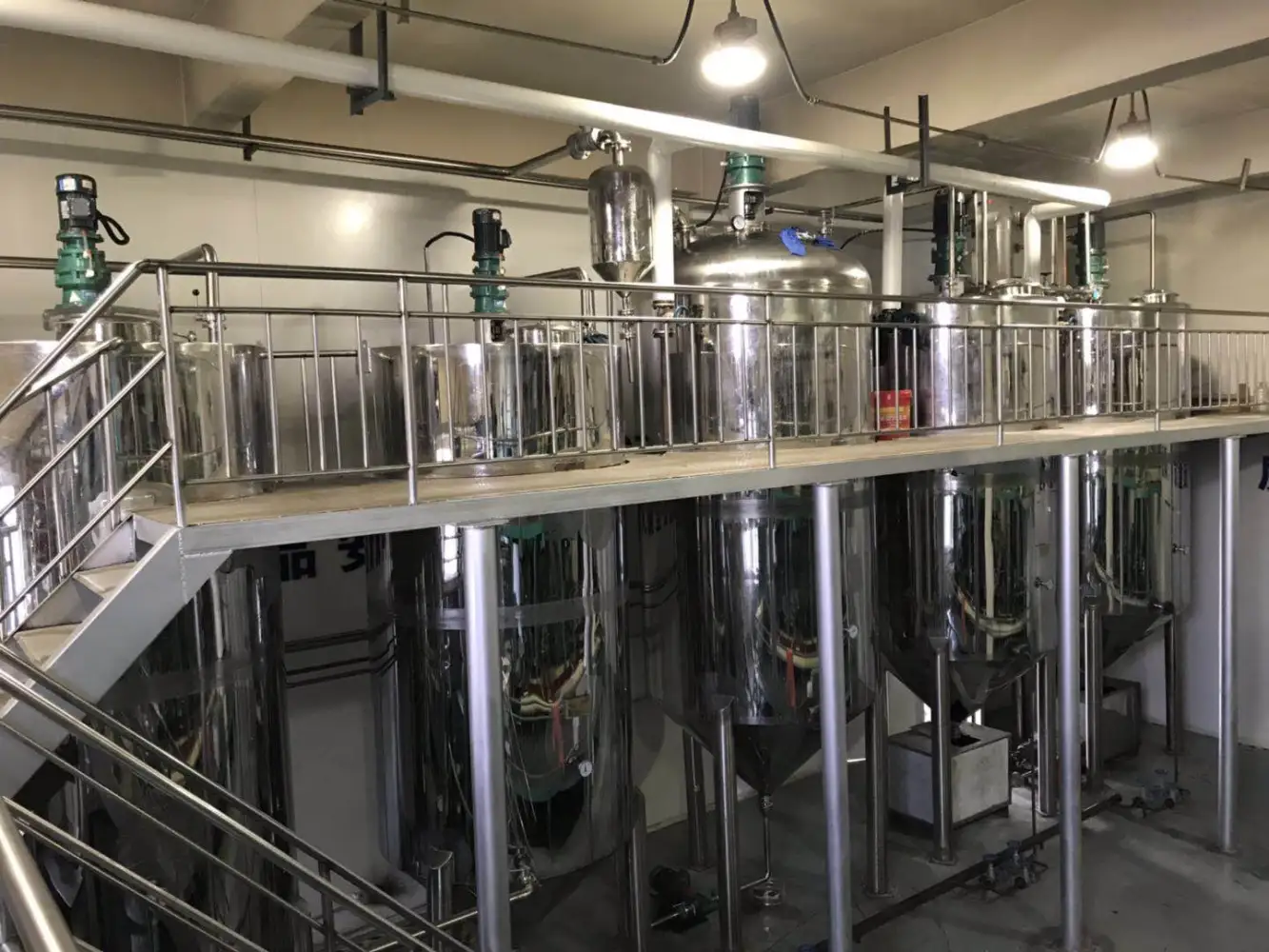
Selecting an edible oil processing line is not only a technical decision, but also a project decision. The right configuration affects raw material adaptability, production stability, product quality, operating cost, environmental performance, and future expansion. For buyers planning a new plant or upgrading an existing facility, a structured selection process helps avoid mismatched equipment, unnecessary investment, and later modification costs.
As Qi'e Grain and Oil Machinery Co., Ltd., we design and manufacture oil pressing equipment, oil production line equipment, and oil refining equipment for industrial buyers in Asia, Africa, and South America. Based on project experience across different raw materials and plant scales, this guide outlines the main factors to consider when choosing an edible oil processing line.
The raw material determines much of the process design. Different oilseeds and oil-bearing materials have different moisture levels, oil content, impurity rates, shell characteristics, and pretreatment requirements. A processing line that works well for one material may not be suitable for another without adjustment.
Before selecting equipment, clarify the following points:
A clear raw material profile is the foundation for choosing the correct oil processing line and matching the downstream refining section.
Capacity planning should reflect actual procurement, storage, and sales conditions, not just a target number. An oversized line can increase investment pressure and idle equipment risk, while an undersized line may limit future growth and create production bottlenecks.
For many buyers, a phased configuration is a practical approach: start with a line that matches the current market and expand the capacity later as supply and demand become more stable.
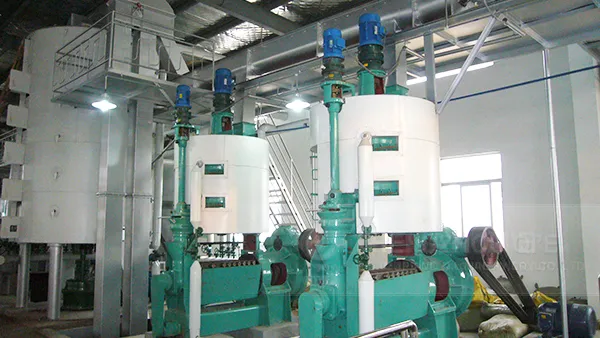
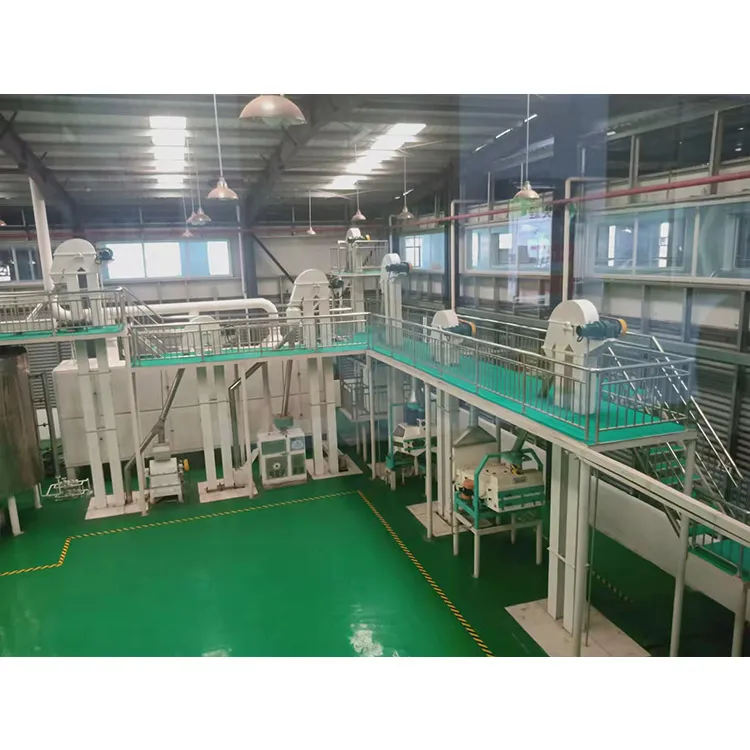
An edible oil processing line is usually built around a defined process route. The process route affects yield, oil quality, energy consumption, and final product positioning. Qi'e Grain and Oil Machinery supports different configurations according to project goals and raw material characteristics.
| Process focus | Typical consideration |
|---|---|
| Pressing | Suitable for projects that prioritize mechanical extraction and simpler operation |
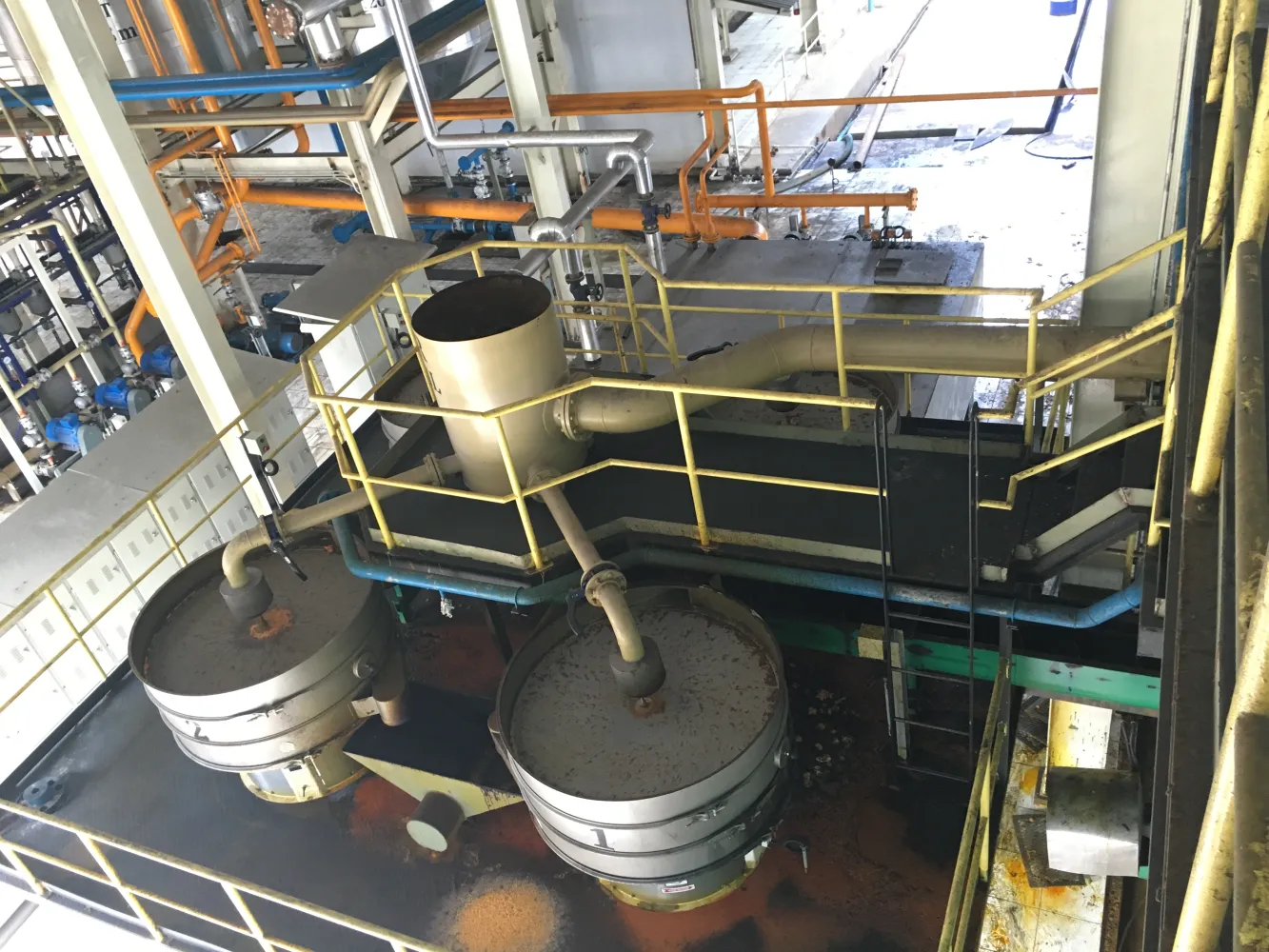
| Solvent extraction | Used when higher extraction efficiency and large-scale continuous processing are required |
| Refining | Selected when the project needs edible oil quality improvement and stable final product standards |
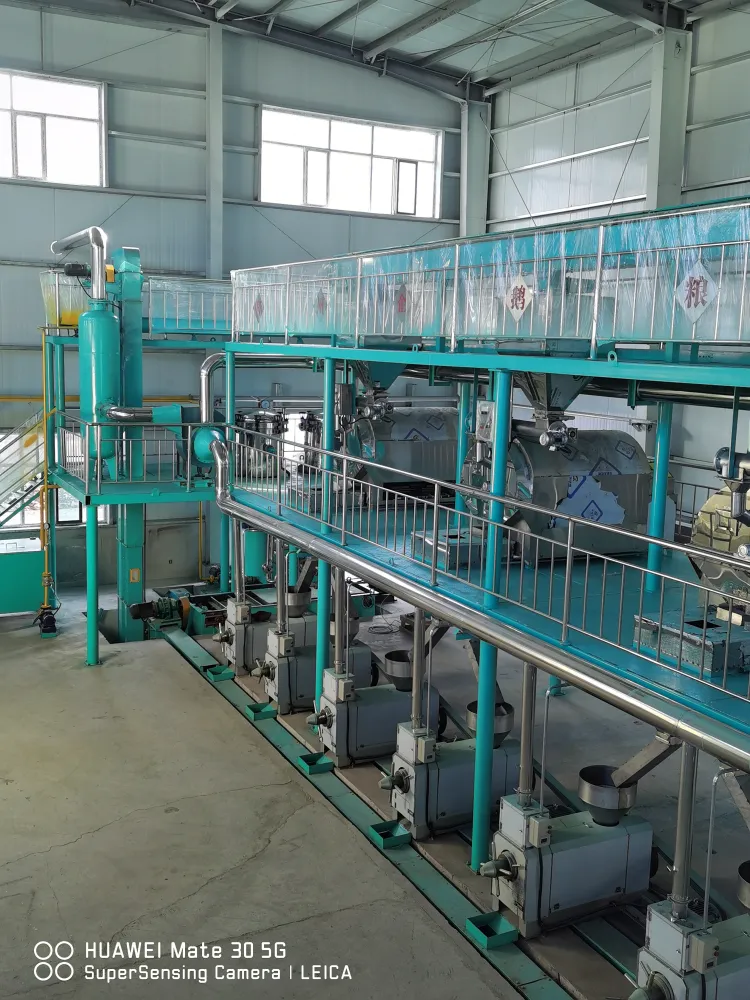
| Integrated line | Combines pretreatment, extraction, and refining for a complete production flow |
The best process route is the one that aligns with your raw material, target output, and local operating conditions—not the most complex one by default.
Automation affects labor demand, production consistency, and operating convenience. Some projects need a highly automated line to reduce manual handling, while others prefer a simpler configuration for easier investment control and maintenance.
Best suited for projects that value consistent output, reduced manual intervention, and easier line coordination across multiple sections.
Often a balanced choice for buyers seeking stable production, manageable investment, and straightforward operation.
When evaluating automation, also consider operator skills, local service support, spare parts planning, and the time required for training and maintenance.
Environmental requirements should be addressed at the planning stage, not after equipment installation. A well-designed edible oil processing line should fit local regulations, site layout, and utility conditions as closely as possible.
These factors influence not only the equipment configuration, but also the long-term operating stability of the plant.
A processing line is a long-term production asset. Reliable maintenance planning helps protect uptime, preserve product quality, and reduce unexpected interruptions. When selecting equipment, buyers should pay attention to serviceability, wear parts, operating procedures, and technical support.
A practical edible oil processing line should be easy to operate, easy to maintain, and suitable for the skill level of the local team.
At Qi'e Grain and Oil Machinery, we support projects not only with equipment supply, but also with design, installation, and technical service so that the chosen configuration can be implemented and operated more smoothly.
If you are comparing different edible oil processing line options, the following sequence can help organize your decision-making:
This framework helps buyers compare equipment configurations in a more objective way and supports a better match between investment and operational needs.
Choosing the right edible oil processing line is easier when the supplier understands the full production chain. Qi'e Grain and Oil Machinery focuses on oil pressing equipment, oil production line equipment, and oil refining equipment, with solutions designed for industrial buyers seeking dependable performance and practical project execution.
Our approach is centered on technology innovation, quality first, and service first. Guided by the principle of people-oriented operation and a commitment to quality, we aim to support customers with configurations that fit real production needs rather than generic equipment packages.
If you are planning a new edible oil plant or evaluating an upgrade to an existing line, a clear technical discussion at the early stage can save time later and help ensure that the final configuration is aligned with your raw materials, capacity goals, and operating environment.





.jpg?x-oss-process=image/resize,h_1000,m_lfit/format,webp)