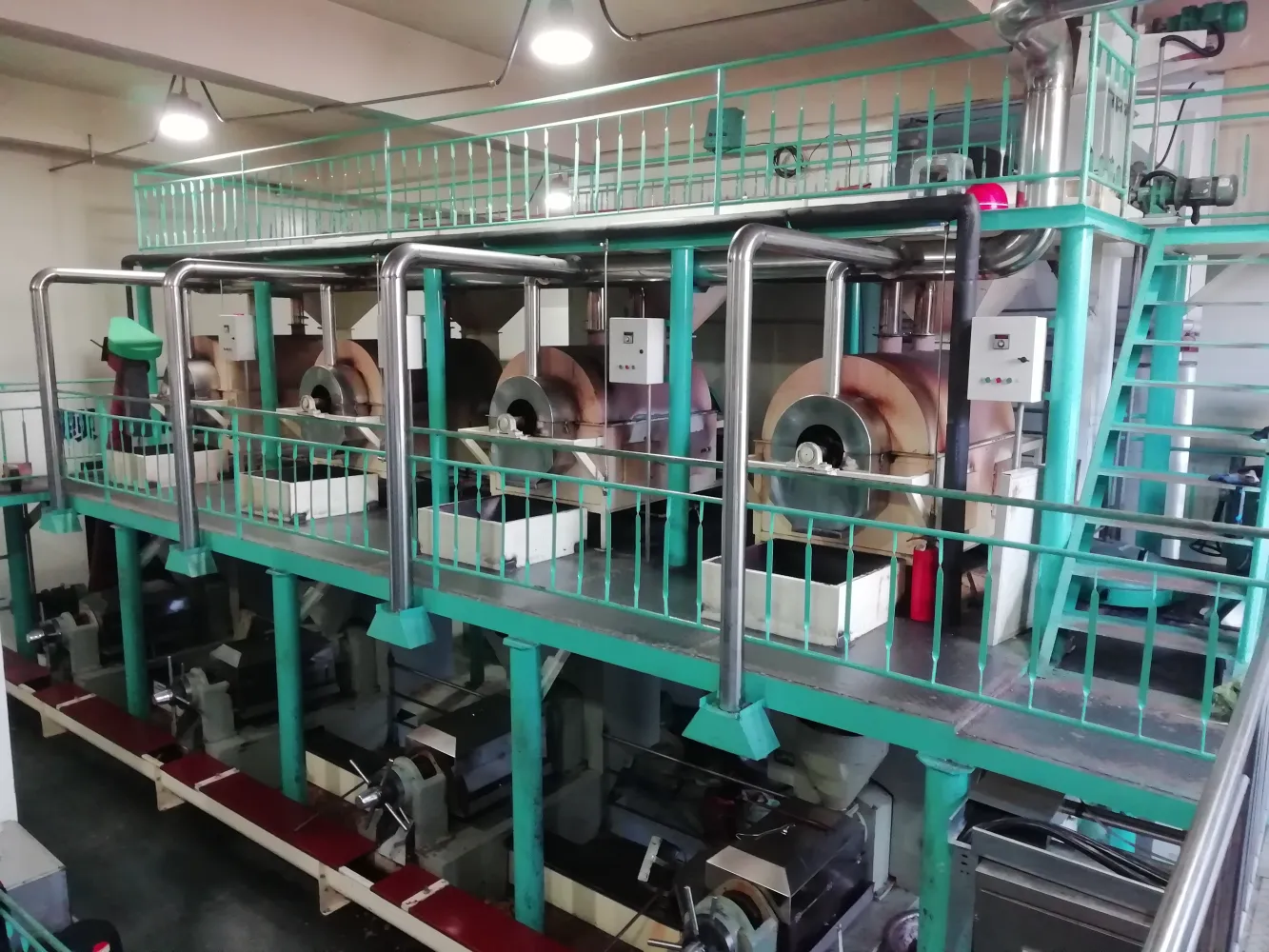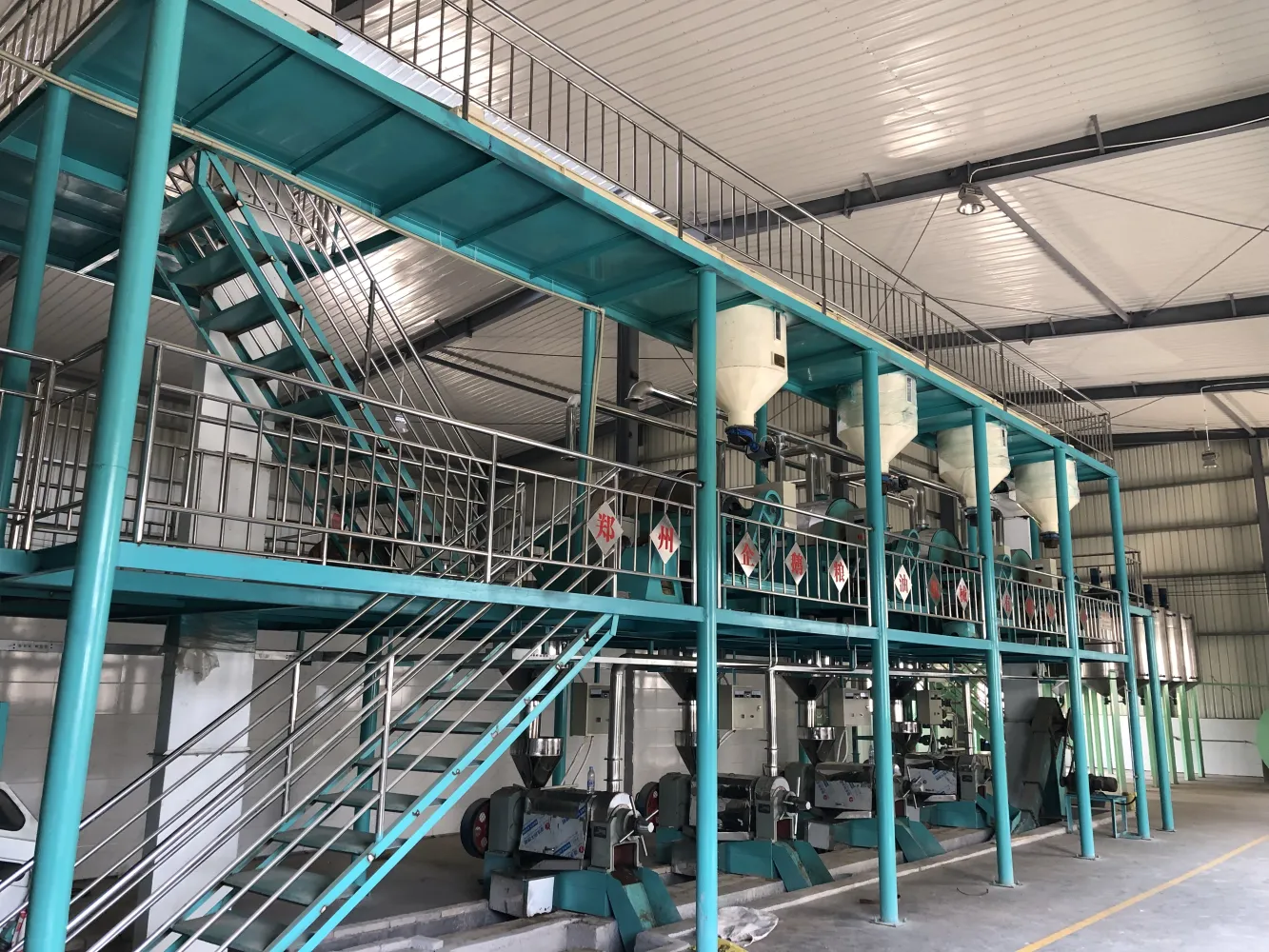
In an era when green production is increasingly becoming a core business strategy, companies in the edible oil industry are seeking advanced solutions to remain profitable while meeting environmental standards. Fully automatic rapeseed oil production lines have become key to this transformation, combining energy efficiency, high productivity, and quality assurance in alignment with global sustainable development goals.
As regulatory pressure continues to increase and consumer demand for eco-friendly products grows, traditional edible oil pressing methods are no longer suitable. Companies face challenges such as high energy consumption, waste management, and compliance with international environmental standards. However, these challenges also create opportunities for innovation and market differentiation. According to a 2023 report by the International Energy Agency (IEA), by adopting smart energy-saving technologies, the food processing industry can reduce its carbon footprint by up to 40%.
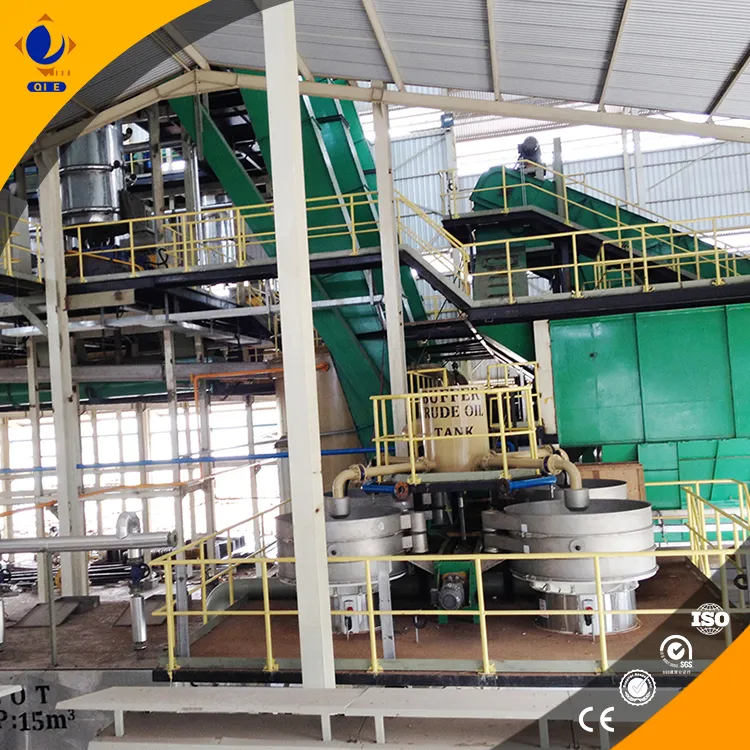
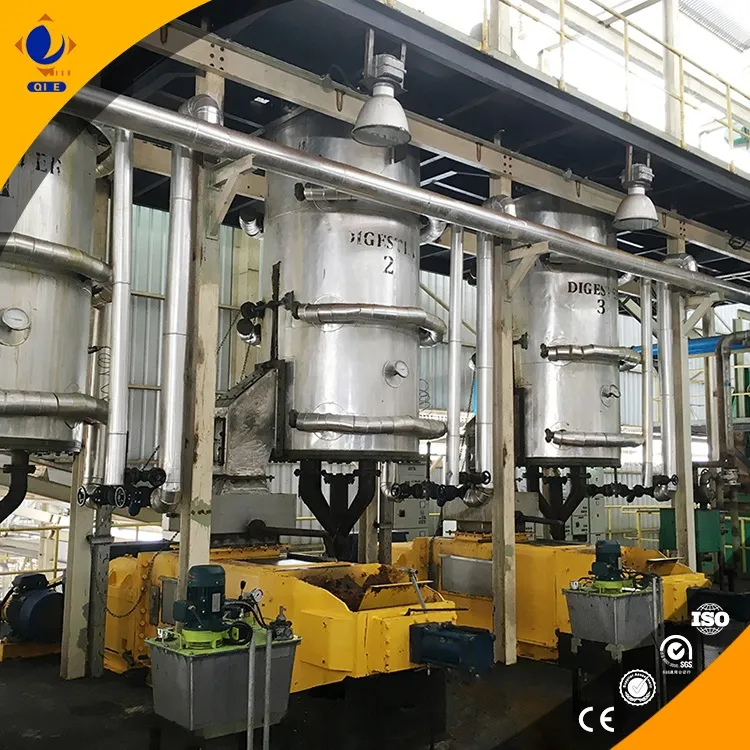
Modern fully automatic rapeseed oil production lines integrate advanced engineering technologies and intelligent control systems. These systems optimize every stage from seed conditioning to oil separation and refining. For example, precise temperature control can reduce energy consumption by up to 25%, while real-time monitoring ensures consistent product quality. In addition, the use of closed-loop systems minimizes the generation of water and chemical waste, helping to create a cleaner production environment.
| Feature | Benefit |
|---|---|
| Automatic temperature control | Reduces energy consumption by 20–25% |
| Real-time quality monitoring | Ensures the oil’s purity and clarity remain consistent |
| Waste recycling system | Minimizes environmental impact by reusing by-products |
Smart automation plays a crucial role in achieving energy efficiency. By integrating IoT-based sensors and predictive maintenance algorithms, these systems can detect inefficiencies and adjust operations in real time. A case study from a leading European manufacturer showed that implementing automation systems reduced power consumption by 30% and increased output by 18%. This not only lowered operating costs but also enhanced the company’s environmental credentials.
In today’s market, compliance with environmental and safety regulations is essential. Fully automatic rapeseed oil production lines are designed to meet international standards such as ISO 14001 and OHSAS 18001. Features such as dust suppression systems, fireproof materials, and emission control devices ensure a safe and environmentally friendly production environment. In addition, these systems help companies avoid fines and build a strong reputation among stakeholders.
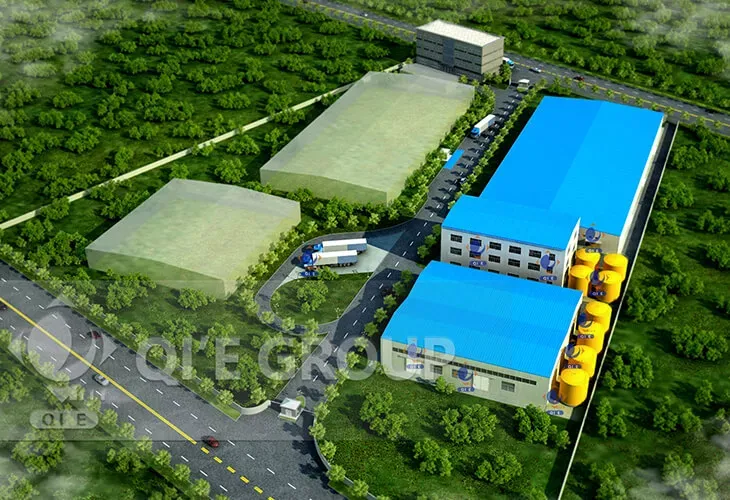
One notable example is a Chinese rapeseed oil processing company that upgraded its facility to a fully automatic rapeseed oil production line. Within one year, the company reported a 35% reduction in energy costs and a 20% increase in production capacity. In addition, their ability to offer eco-friendly products helped them secure contracts with major European retailers that prioritize sustainable sourcing. As one manager at the company said: “Switching to an automated system was the best decision we made—it not only improved our efficiency but also enhanced our brand value.”
As governments and consumers continue to drive green production practices, demand for sustainable edible oil production solutions will keep growing. Companies that adopt automated, eco-friendly systems today will be in a more advantageous leading position in the future. According to 2024 industry forecasts, driven by regulatory changes and rising consumer awareness, the global market for green edible oil processing equipment is expected to grow at a compound annual growth rate (CAGR) of 7.2%.
Ready to transform your production process and embrace a greener future?
Explore our eco-friendly solutions now


.jpg?x-oss-process=image/resize,h_1000,m_lfit/format,webp)