The global sunflower oil market has witnessed sustained growth over recent years, driven by evolving consumer preferences and rising health consciousness, especially in regions such as Asia, Europe, and the Middle East. As a key vegetable oil, sunflower oil's demand trajectory reflects shifting dietary habits, governmental trade policies, and technological advancements in processing equipment. This article offers a detailed examination of the supply-demand dynamics, export trends, competitive landscape, and production equipment suitability — empowering investors and food processors to make informed strategic decisions in a booming sector.
Global sunflower oil production reached approximately 19 million metric tons in 2023, with key producers including Ukraine, Russia, Argentina, and Turkey, accounting for over 70% of supply according to the Food and Agriculture Organization (FAO). Consumption patterns have shifted notably towards heart-healthy oils, favoring sunflower oil for its high polyunsaturated fat content and neutral flavor profile.
Asia's demand surge, notably in India and China, aligns with rising middle-class income and growing awareness of health-based cooking oils. Europe continues to lead per capita sunflower oil consumption with an average of 4.7 kg/year, while Middle Eastern markets are expanding due to increased adoption in foodservice and household cooking.
Following geopolitical events affecting Ukrainian and Russian exports, sunflower oil supply chains have diversified, opening lucrative export opportunities for producers in Argentina and Turkey. Export volumes to Asia have expanded by 12% year-on-year, with India importing over 3 million tons in 2023. Trade policies such as import tariffs, sustainability certifications, and food safety regulations increasingly determine competitive positioning.
New markets in Africa and Southeast Asia demonstrate high growth potential, fueled by urbanization and increased use of branded edible oils. Companies strategically mapping export routes toward these regions can capitalize on less saturated demand and favorable trade agreements.
Market leaders invest heavily in quality control, certifications (e.g., Non-GMO, Organic), and supply chain transparency to build trust with premium buyers. Advanced refining technologies and capacity scaling create significant barriers for smaller enterprises. However, niche players have carved out success by targeting artisanal and cold-pressed sunflower oil segments, which appeal to health-conscious consumers and premium food brands.
Innovation in packaging and direct-to-business branding further strengthens market share and customer loyalty amidst fierce competition.
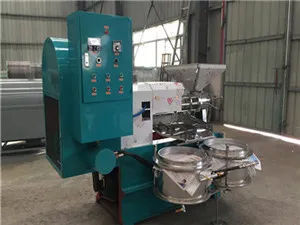
Selecting appropriate sunflower oil extraction and refining equipment depends critically on production volume, investment budget, and product positioning. Small-scale businesses may benefit from clean cold-pressing machines with capacities of 5–20 tons/day, offering quality retention and low operational costs.
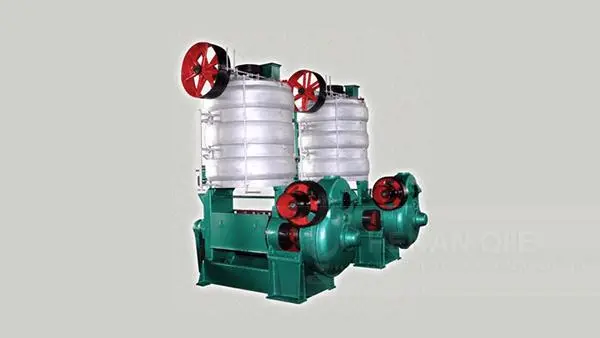
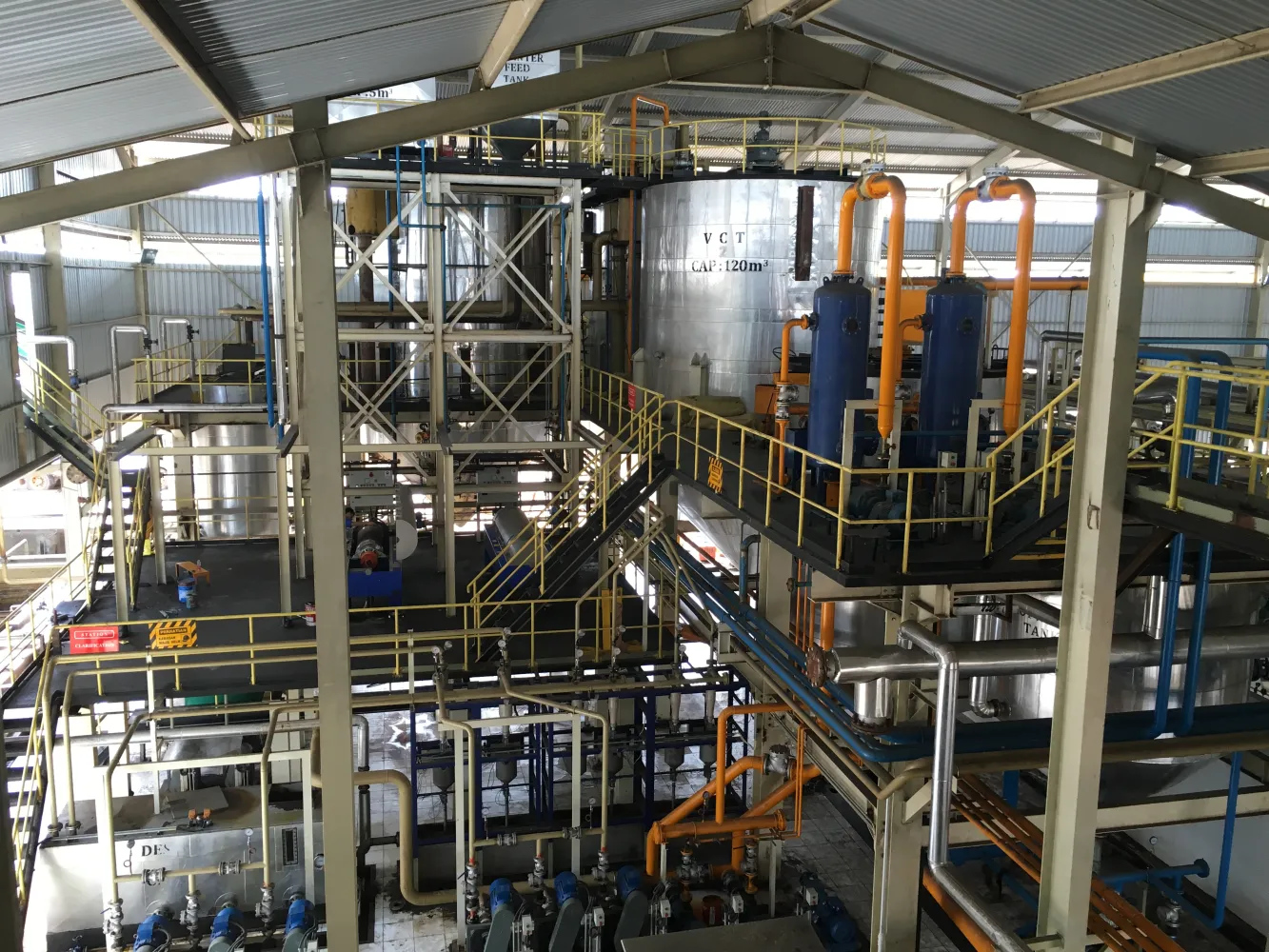
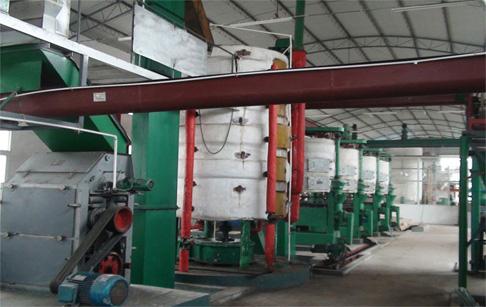
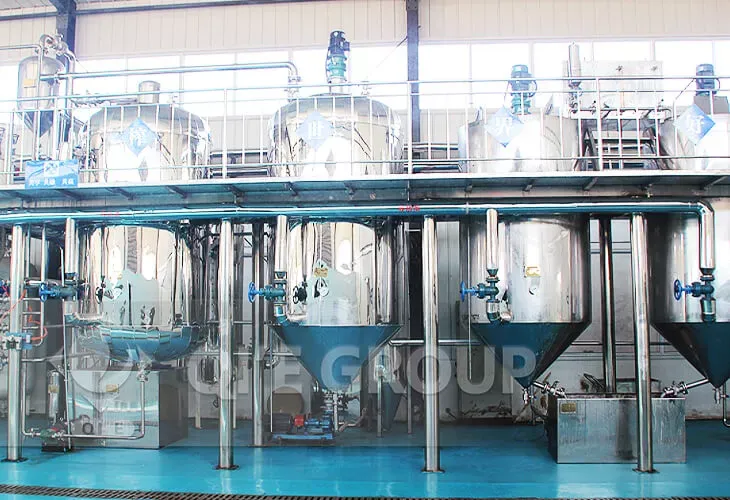
Conversely, medium to large enterprises aiming for mass market penetration require industrial-scale refining lines capable of processing up to 100 tons/day, integrating pretreatment, pressing, solvent extraction, and multi-stage refining for oil purity and shelf life extension.
Investors must evaluate regional demand growth, export accessibility, and technological advancements in oil extraction when planning entry or expansion. With regulatory emphasis shifting towards sustainability and traceability, integrating smart automated equipment with minimal environmental impact becomes a key success factor.
Future market growth is projected in specialty sunflower oils (high-oleic variants) catering to niche health markets and industrial applications such as bio-lubricants. Businesses aligning with these trends can achieve differentiated positioning and premium margins.

In conclusion, mastering the global trends and selecting the right equipment can convert every sunflower seed into tangible profits, enhancing operational efficiency and market responsiveness.



.jpg?x-oss-process=image/resize,h_1000,m_lfit/format,webp)