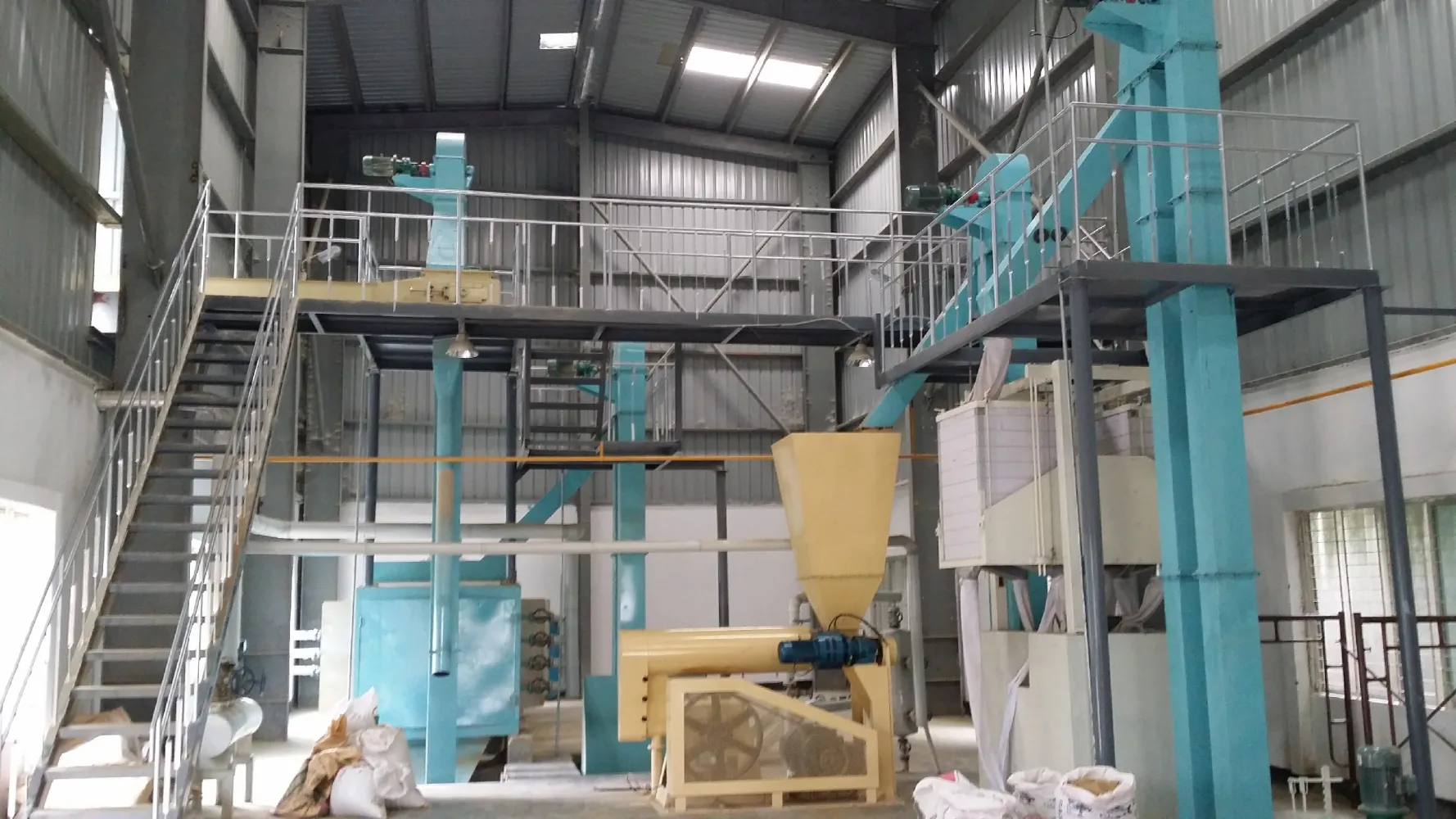
In the palm oil industry, navigating the challenges posed by diverse geographical markets and evolving technological demands has become paramount for producers seeking competitive advantage. Over the past decade, the global palm oil processing sector has witnessed an annual growth rate of approximately 5%, driven by rising demand from food, cosmetic, and biofuel applications. Correspondingly, the impetus for modernization—particularly through automation and intelligent control systems—has intensified, aiming to optimize yield, reduce environmental footprints, and adapt to varied regulatory landscapes.
Globally, more than 70% of palm oil production originates from Southeast Asia; however, emerging markets in South Asia and Eastern Europe are exhibiting promising growth potentials. Countries such as Pakistan, Ukraine, and Uzbekistan are gradually expanding their processing capacities, necessitating machinery that can accommodate regional electrical standards, raw material variability, and ecological regulations. Such diversity demands equipment with multi-voltage compatibility, robust automation, and process integration like combined cold and hot pressing technologies.
| Region | Annual Processing Capacity (tons) | Growth Rate (Last 5 Years) | Implementation of Automation (%) |
|---|---|---|---|
| Southeast Asia | > 12,000,000 | 4.8% | 65% |
| South Asia (e.g., Pakistan) | 1,200,000 | 6.2% | 45% |
| Eastern Europe (e.g., Ukraine, Uzbekistan) | 800,000 | 5.5% | 30% |
Automation technology in palm oil processing transcends simple mechanization; it encompasses intelligent control systems that dynamically optimize extraction parameters in real-time. Multi-voltage compatibility ensures seamless operation across regions supplying 110V to 440V electrical infrastructures, reducing downtime and enhancing adaptability.
Additionally, the integration of cold and hot pressing within a single machine—known as cold-hot pressing integration—enables producers to maximize oil yield while preserving nutritional quality and minimizing environmental emissions. This dual-mode processing accommodates variable input material qualities, a critical feature for suppliers sourcing from diverse palm species or seasonal harvests.
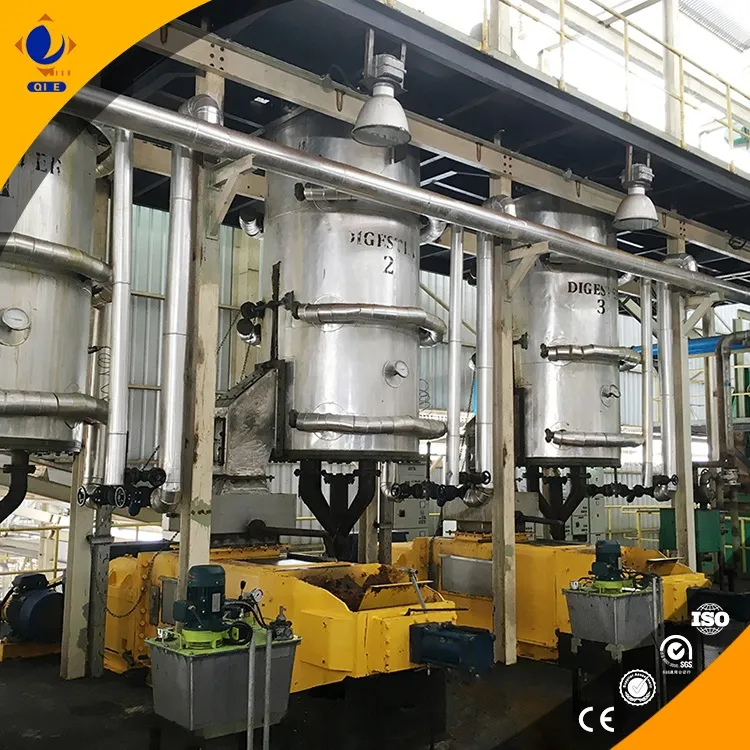
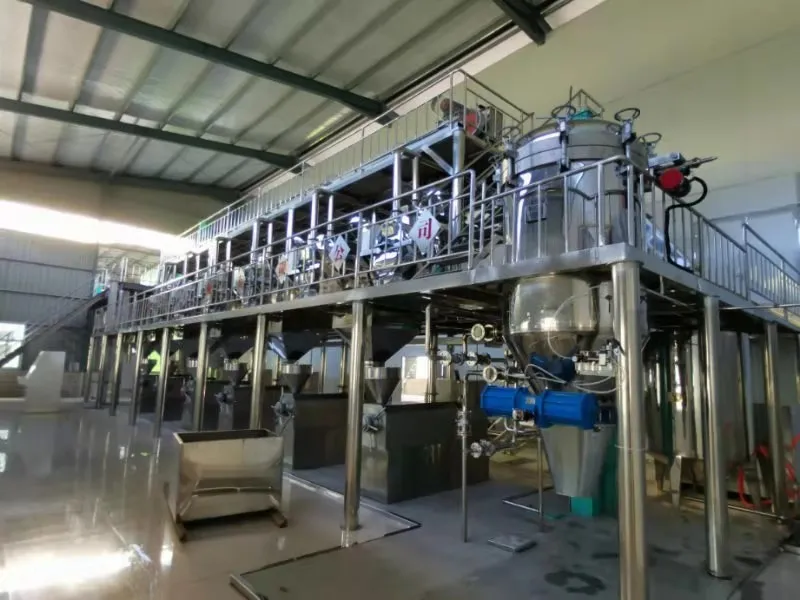
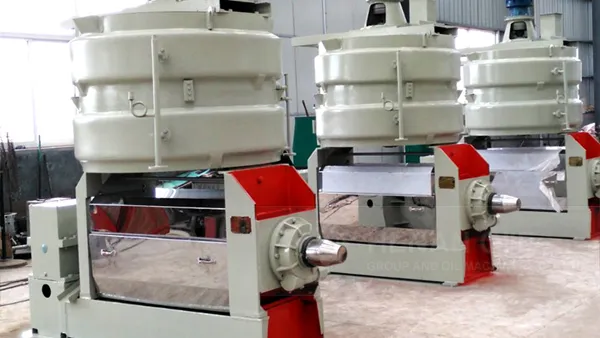
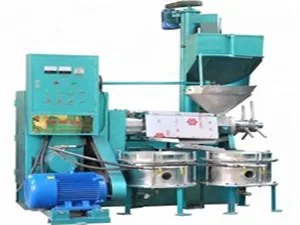
QIE Group’s flagship 20-ton fully automated industrial palm oil processing machine exemplifies these innovations. Constructed from high-grade 304 stainless steel, it complies with ISO9001 standards, guaranteeing durability against corrosion and stringent food safety requirements. The device’s modular automation integrates PLC-based control with real-time sensor feedback, achieving extraction efficiencies upwards of 95%, surpassing global averages near 85-88%.
The QIE Group’s strategic market penetration in Pakistan, Ukraine, and Uzbekistan illustrates effective globalization coupled with precise localization. In Pakistan, the hot climate and fluctuating grid voltage necessitated machines equipped with advanced cooling subsystems and multi-voltage input modules, reducing equipment failure by 20% during peak summer months.
In Ukraine, strict environmental regulations compelled deployment of cutting-edge exhaust and effluent treatment technologies integrated within the processing line, aligning with EU standards and enhancing sustainable compliance.
Uzbekistan benefited from the automatized data analytics platform embedded within QIE Group’s equipment, facilitating predictive maintenance and operational transparency for decentralized processing facilities.
For food and beverage companies and large-scale processing plants, understanding market-specific challenges is critical to optimizing investment and operational decisions. Selecting equipment that offers multi-voltage compatibility, robust automation, and integrated pressing technologies ensures versatility and future-proofing amid shifting market dynamics and regulatory tightening.
QIE Group’s end-to-end solutions provide a turnkey approach—from equipment sourcing and installation to ongoing technical support—facilitating a seamless transition towards green manufacturing. The adoption of stainless steel 304-grade machinery not only complies with hygiene and safety norms but also extends equipment lifecycle, maximizing return on investment.
In summary, the pathway to sustainable and efficient palm oil processing hinges on embracing automation innovations, regional adaptability, and comprehensive support frameworks. QIE Group’s advanced 20-ton automated palm oil processing machine represents a benchmark in quality and versatility, effectively addressing the needs of varied markets such as Pakistan, Ukraine, and Uzbekistan.
By choosing QIE Group, enterprises unlock the potential to embark on a green, intelligent palm oil processing era—one marked by elevated productivity, environmental stewardship, and resilient global market presence.