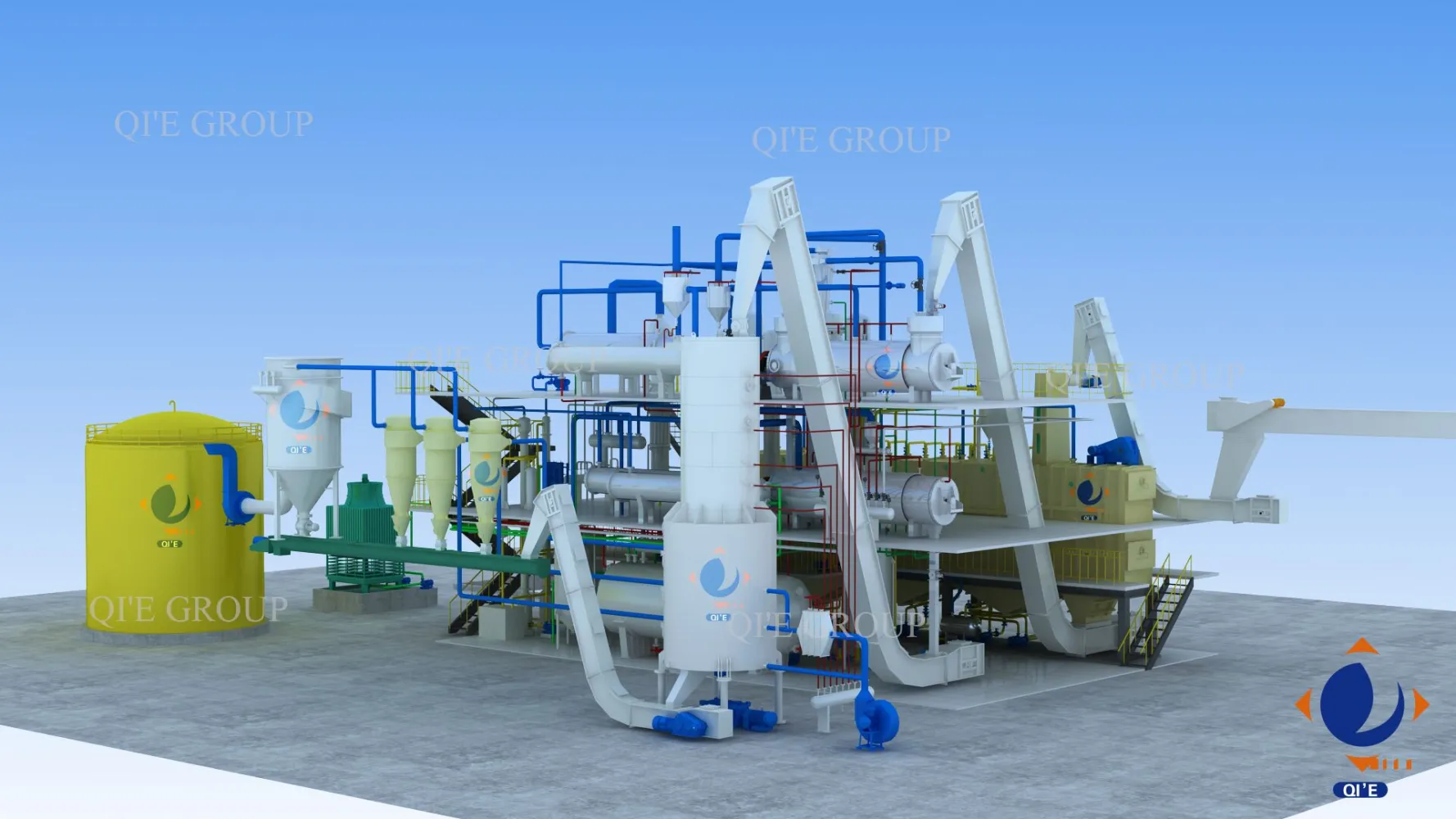
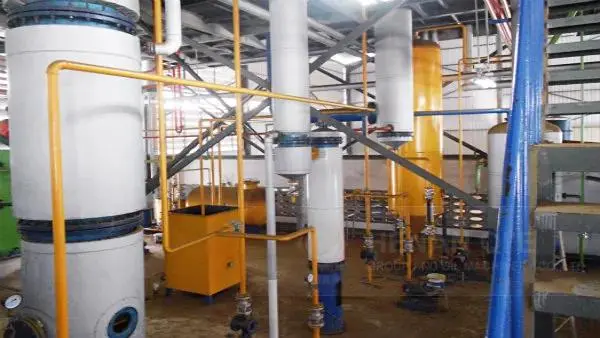
This industry study analyzes the complete sunflower oil processing chain, emphasizing practical controls from seed cleaning and dehulling to pressing, filtration, and refining. It targets production managers and operators with actionable guidance to improve processing efficiency, ensure consistent oil color, and maximize good-product yields, all aligned with market quality expectations.
In sunflower oil processing, the journey begins with seed preparation—cleaning and dehulling—to reduce impurities and moisture. Flaking increases surface area for oil release, followed by controlled heating and mechanical pressing to extract crude oil. Subsequent filtration and clarification remove solids and mucilage before the oil undergoes refining steps to stabilize color and aroma.
| Stage | Typical Parameter | Notes |
|---|---|---|
| Seed Preparation | Moisture 6–8%; impurities <0.15% | Pre-cleaning lowers downstream energy use |
| Dehulling & Flaking | Hull removal >95%; flake thickness 0.25–0.35 mm | Increases oil release surface area |
| Pressing | Oil yield 34–44% of seed weight; temp 60–90°C | Balances yield and quality |
| Filtration | Crude oil clarity ≤ 50 NTU pre-refining | Immediate clarification minimizes fouling |
| Refining & Color Management | Color index crude 8–12; refined 2–4; PV 2–3 meq/kg; FFA 0.1–0.3% | Bleaching/deodorization reduce color and odors |
Effective color stabilization relies on tightly controlled refining sequences—degumming to remove phospholipids, bleaching to strip pigments, and deodorization to purge volatile compounds. When these steps are tuned to seed quality and downstream filtration, color consistency improves without compromising safety or flavor.
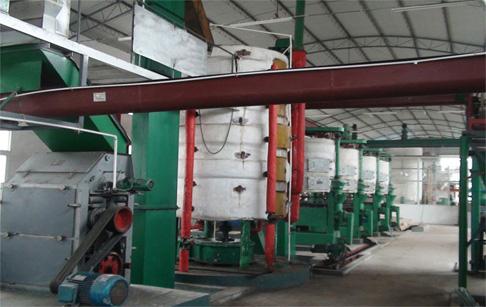
The refining train—degumming, bleaching, and deodorization—directly impacts oil color. Degumming reduces phosphorus compounds that can re-oxidize pigments, while bleaching clays minimize carotenoids and chlorophyll-derived hues that darken the oil. Deodorization, performed under vacuum at elevated temperatures, removes volatile compounds that influence perceived color and odor.
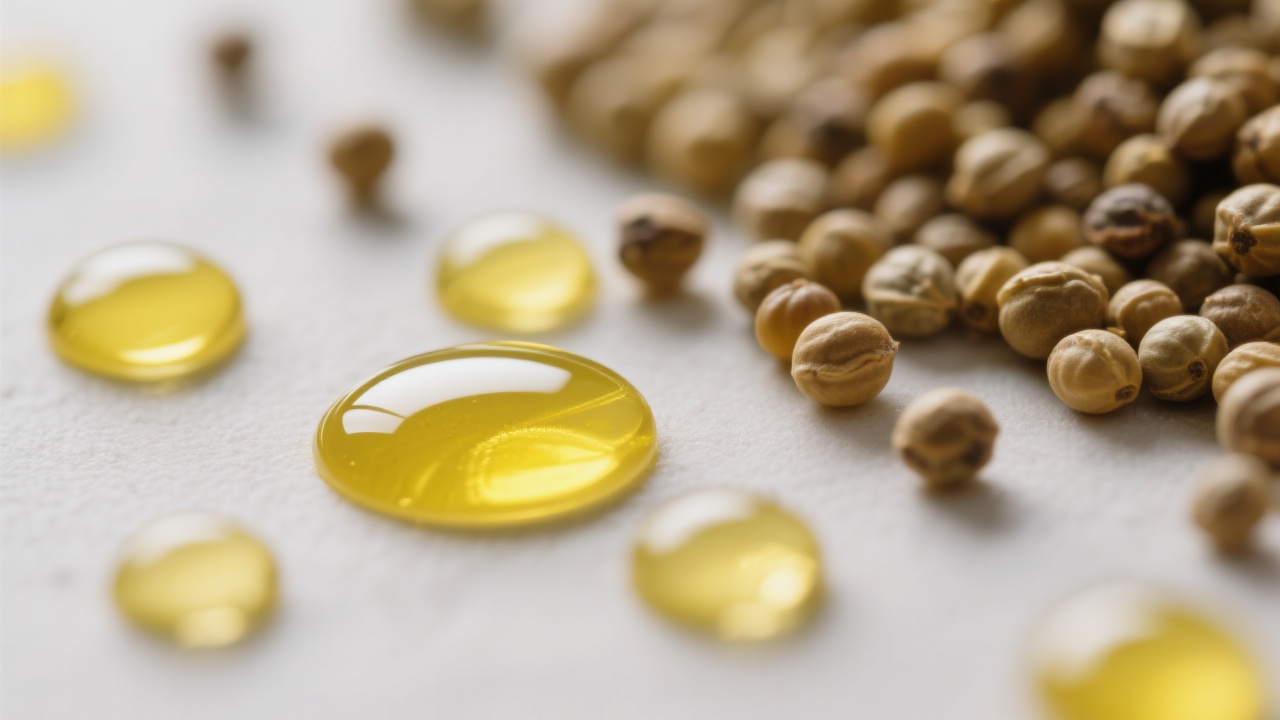
In practice, good-product yield hinges on minimizing losses during the early stages and maintaining steady process conditions across equipment. Seed quality is foundational: seeds with lower moisture content reduce steam consumption and energy waste in conditioning. Real-time monitoring of moisture, oil content, and temperature enables proactive adjustments to pressing speed and feed rate, preventing overheating that could degrade color or flavor.
Typical oil yield from sunflower seeds ranges around 34–44% of seed weight under conventional mechanical pressing, depending on seed quality and equipment efficiency. Seed oil content commonly sits in the 45–50% range for high-quality varieties; under optimal mechanical extraction, the practical yield tends to cluster near the upper end of this range. These figures guide plant planning, equipment sizing, and energy budgeting for sunflower oil processing facilities.
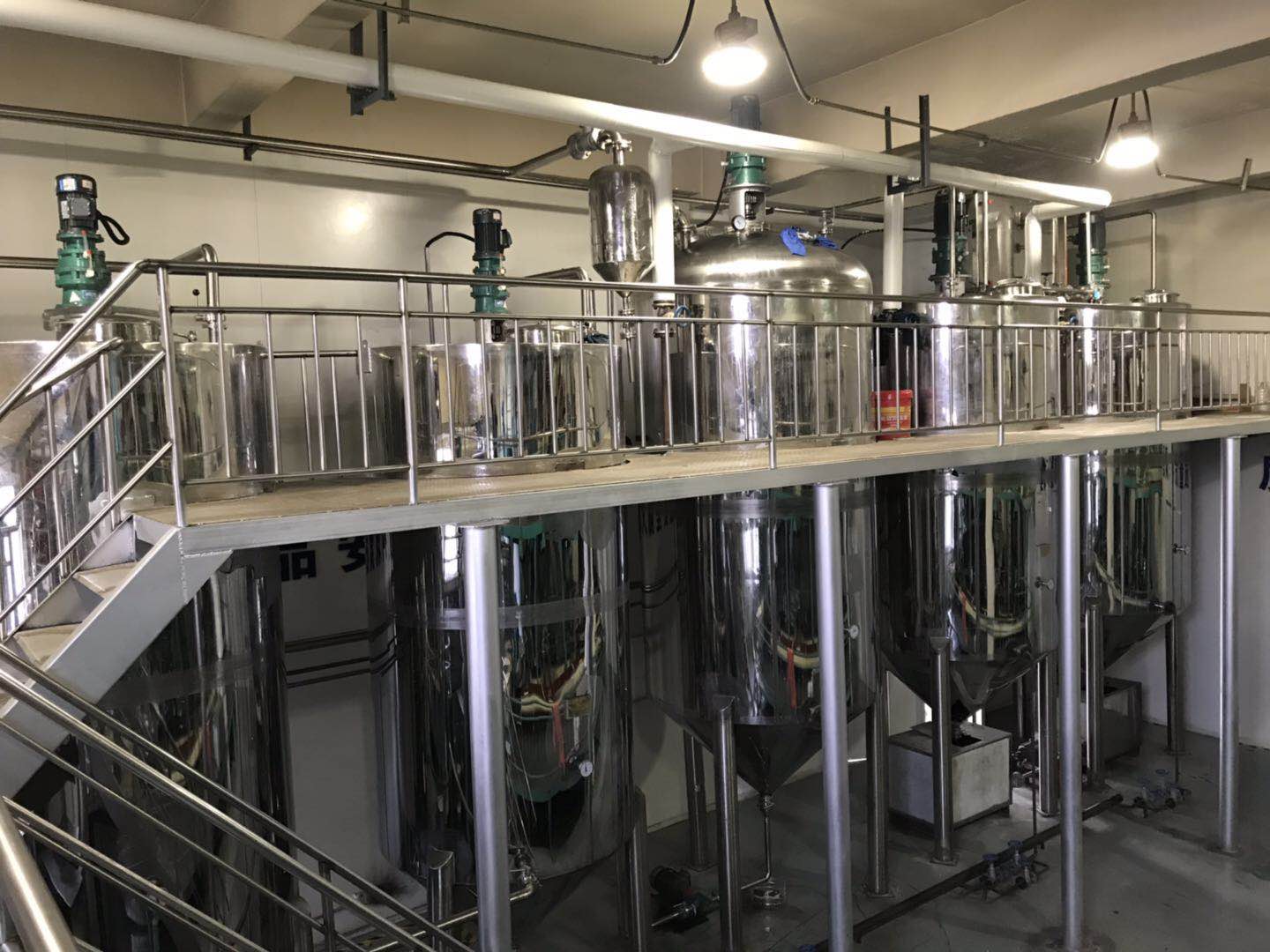
A data-driven culture supports stable color and high good-product rates. Implement real-time dashboards that track moisture, oil content, yield, color index, peroxide value, and free fatty acidity at key steps. Regular audits of degumming efficiency, clay bleaching, and deodorization parameters help prevent color drift and off-flavors. A structured operator training program ensures adherence to standard operating procedures and reduces variance across shifts.
For facilities targeting exports or branded consumer markets, aligning refining outputs with regional color and odor standards is essential. Short cycles of process optimization, guided by inline analytics, deliver measurable improvements in color stability and yield within weeks rather than months.
For production teams seeking to maintain color stability while maximizing yield, the integration of robust pre-cleaning, precise conditioning, and refined filtration is essential. The combination of seed quality control, well-tuned refining steps, and real-time monitoring creates a resilient platform for consistent edible sunflower oil performance.