What equipment is needed for a complete palm oil production line?
The construction of a palm oil production line requires the coordinated operation of a series of specialized equipment. From the receiving and pre-processing of palm fruits to pressing and oil extraction, to the refining of crude oil and final product packaging, each stage has its specific key equipment. Understanding the composition of this equipment is crucial for planning and establishing an efficient and complete palm oil production line.
A Complete Guide to Palm Oil Production Line Equipment: From Raw Materials to Finished Products
Palm oil, as one of the world's highest-producing vegetable oils, has an annual demand exceeding 70 million tons and is widely used in food processing, bioenergy, and daily chemical industries. Building an efficient and environmentally friendly palm oil production line requires not only scientific process design but also suitable production equipment. This article will detail the core equipment and functions required for a complete palm oil production line, helping investors and business decision-makers gain a comprehensive understanding of this field.
I. Basic Process Flow of Palm Oil Production
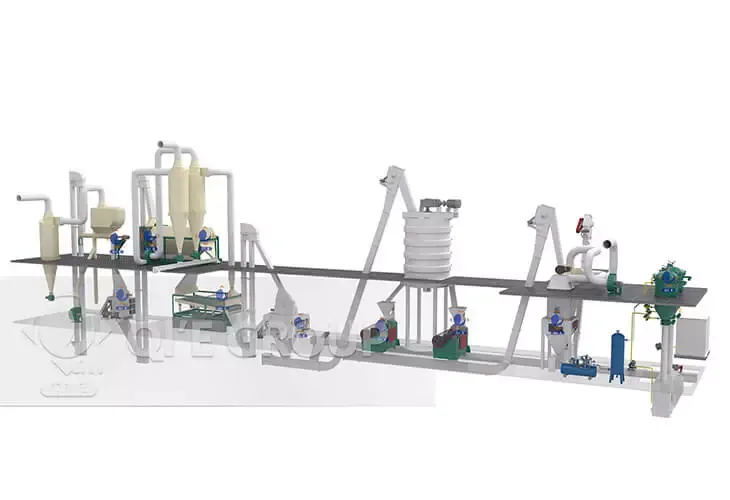
The complete palm oil production process typically includes the following main stages: receiving and sterilizing fresh fruit bunches → fruit removal → steaming → pressing → crude oil processing → refining → fractionation. Each stage requires specific equipment to work in concert to ensure the final product quality and production efficiency.
II. Detailed Explanation of Core Production Equipment Configuration
1. Raw Material Processing Equipment
After palm fruit bunches arrive at the factory from the plantation, they first need to undergo strict pre-processing. Key equipment in this stage includes:
- Fresh Fruit Bundle Conveyor: Responsible for transporting palm fruit bunches from the unloading area to the processing workshop. It typically uses a belt or chain conveyor system. The conveying capacity needs to be determined according to the scale of the production line, generally 5-20 tons/hour.
- Washing and Disinfection Machine: Through high-pressure spraying and disinfectant treatment, it removes mud, impurities, and microorganisms from the surface of the fruit bunches, reducing the risk of contamination during subsequent processing.
- Fruit Debonding Machine: Adopting a drum or hammer design, it separates palm fruits from the fruit bunch, with a fruit deboning rate of over 95% to ensure the utilization rate of raw materials.
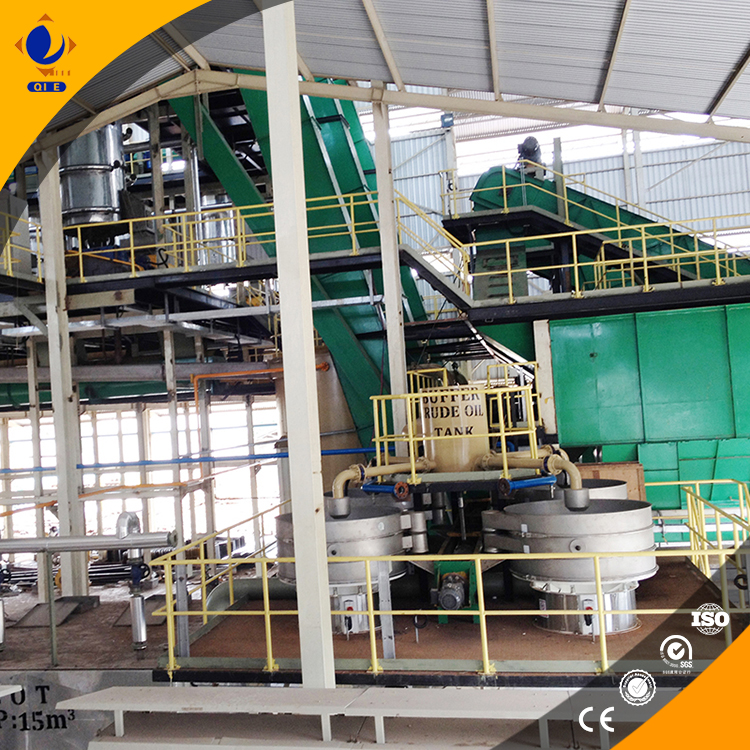
2. Cooking and Pressing Equipment
The pre-treated palm fruit needs to be cooked and softened to facilitate oil extraction.
The core equipment in this stage includes:
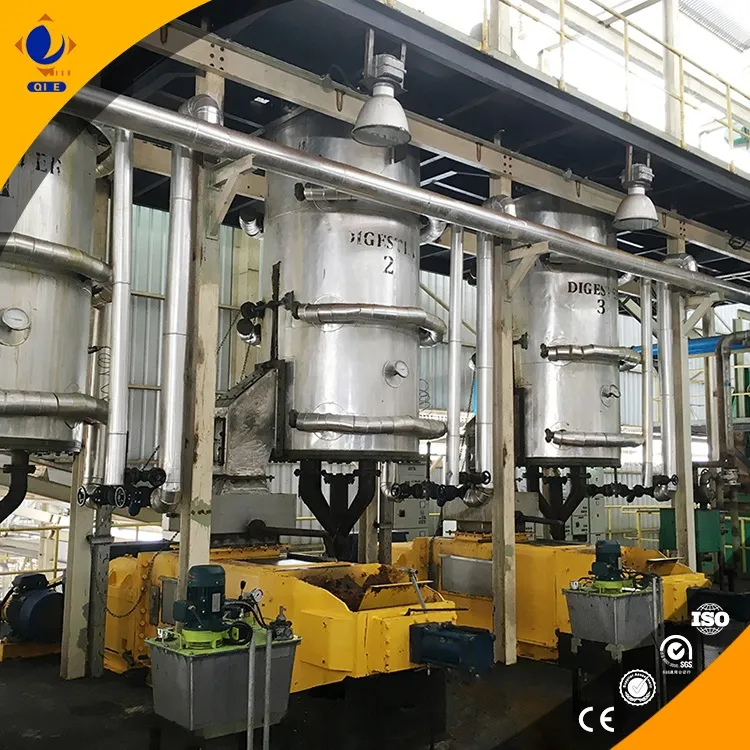
- Cooker: Typically a horizontal high-pressure cooker, operating at 110-130℃, pressure 0.15-0.3MPa, and cooking time 30-60 minutes, separating the fruit pit from the pulp while simultaneously breaking down the oil cell structure.
- Screw Press: This is the key equipment for oil extraction. It separates the oil from the pulp through the squeezing action of the screw shaft, achieving a pressing efficiency of 85-90%. Depending on the production capacity, single-stage or double-stage presses can be selected.
- Pack Crusher: This crushes the pressed pomace, facilitating subsequent secondary oil extraction or its use as biomass fuel.
3. Crude Oil Processing Equipment
The crude palm oil obtained from pressing contains a lot of impurities and needs to undergo preliminary processing before entering the refining stage:
- Vibrating Screen: Removes large particulate impurities from the crude oil. The screen mesh size is usually 60-100 mesh.
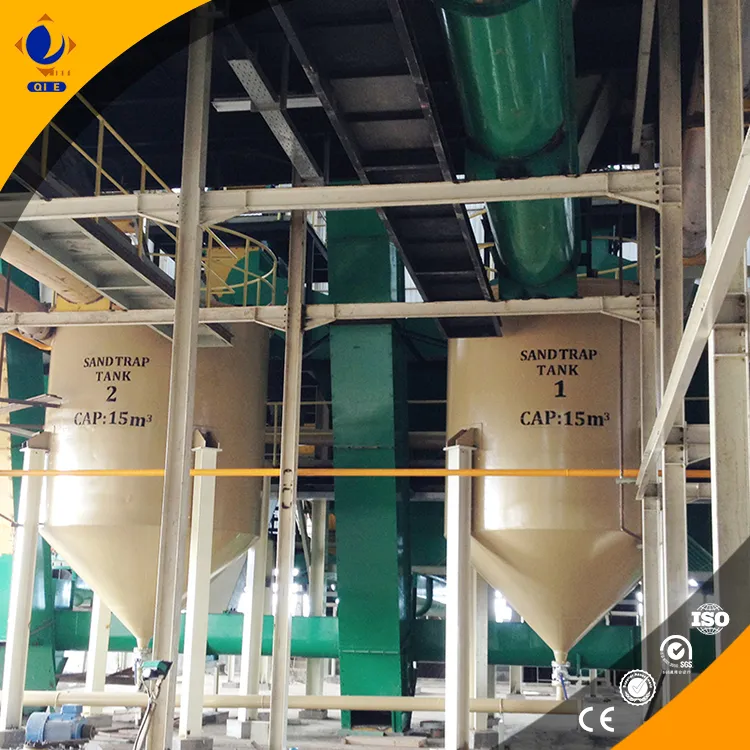
- Centrifuge: Uses centrifugal force to separate water and fine impurities from the oil. The separation factor can reach 3000-5000g, and the water content of the processed crude oil can be reduced to below 0.5%.
- Storage Tanks: Used for temporary storage of processed crude oil, typically made of stainless steel and equipped with temperature control and stirring devices.
4. Refining Equipment
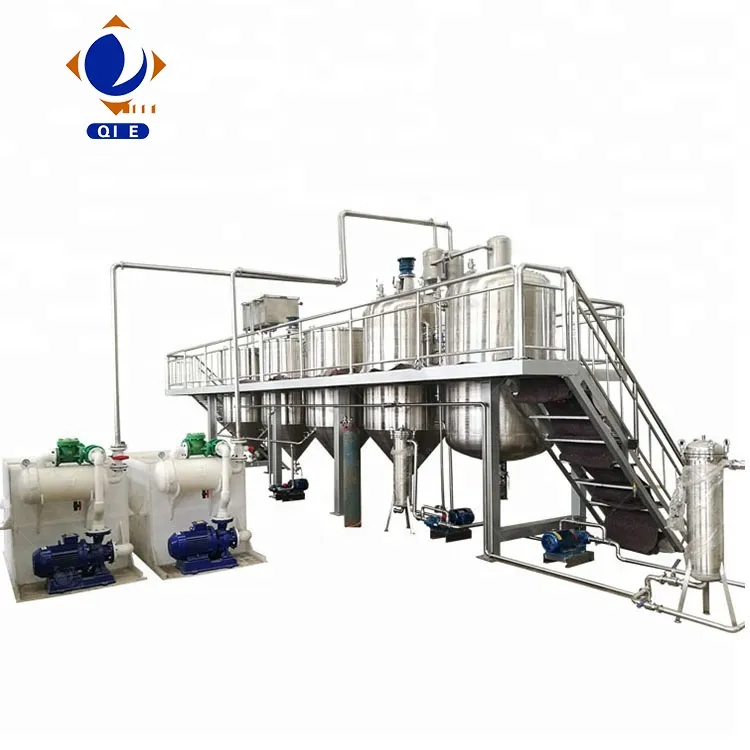
To obtain palm oil that meets food-grade standards, crude oil needs to undergo refining. The main equipment includes:
- Degumming Equipment: Removes gum impurities from the oil by adding phosphoric acid or citric acid.
- Decolorization Tower: Uses activated clay or activated carbon to adsorb pigments and odor substances from the oil, ensuring the oil's color meets national standards. **Deodorization Tower:** Removes volatile odor components from oils under high vacuum (residual pressure <5 mmHg) and high temperature (220-260℃). **Fracturing Equipment:** For production lines producing palm stearin and palm oil, fractionation equipment is also required to achieve solid-liquid separation of the oils by controlling temperature and crystallization conditions. **III. Auxiliary Equipment and Systems** **In addition to the core production equipment mentioned above, a complete palm oil production line also requires the following auxiliary systems:** **Steam System:** Includes boilers, steam pipes, and valves, providing a heat source for cooking, refining, and other processes. Biomass boilers are typically used to reduce operating costs. Water Treatment System: Provides production water and boiler water, while treating wastewater generated during production to meet environmental discharge standards. Electrical Control System: Employs a PLC control system to automate and monitor the production process, improving efficiency and stability. By-product Processing Equipment: Such as palm shell crushers and fiber dryers, used to process by-products such as palm shells and fibers generated during production, achieving comprehensive resource utilization.
Customize Your High-Efficiency Palm Oil Production Line Solution
QIE Group has 20 years of experience in the R&D and manufacturing of palm oil processing equipment, and can provide you with complete production line solutions ranging from 5 tons/day to 500 tons/day. Our equipment is exported to more than 30 countries and regions, including Indonesia, Malaysia, and Nigeria.
Get a Customized Production Line Design
When planning a palm oil production line, factors such as local raw material supply, energy costs, environmental requirements, and market demand must be considered. It is recommended to choose an experienced equipment supplier to ensure the stability of the production line and return on investment. Equipment configurations vary significantly depending on the scale of the production line. Small production lines (10-30 tons per day) can use partially semi-automatic equipment, while large production lines (over 100 tons per day) require a fully automated continuous production system.
Get a Customized Production Line Design
When planning a palm oil production line, factors such as local raw material supply, energy costs, environmental requirements, and market demand must be considered. It is recommended to choose an experienced equipment supplier to ensure the stability of the production line and return on investment. Equipment configurations vary significantly depending on the scale of the production line. Small production lines (10-30 tons per day) can use partially semi-automatic equipment, while large production lines (over 100 tons per day) require a fully automated continuous production system. With increasing global emphasis on sustainable development, modern palm oil production lines should also consider environmental and social responsibility factors, such as adopting energy-saving equipment, wastewater treatment systems, and production processes that comply with RSPO (Roundtable on Sustainable Palm Oil) standards. These will become future development trends in the palm oil industry.











.jpg?x-oss-process=image/resize,h_1000,m_lfit/format,webp)