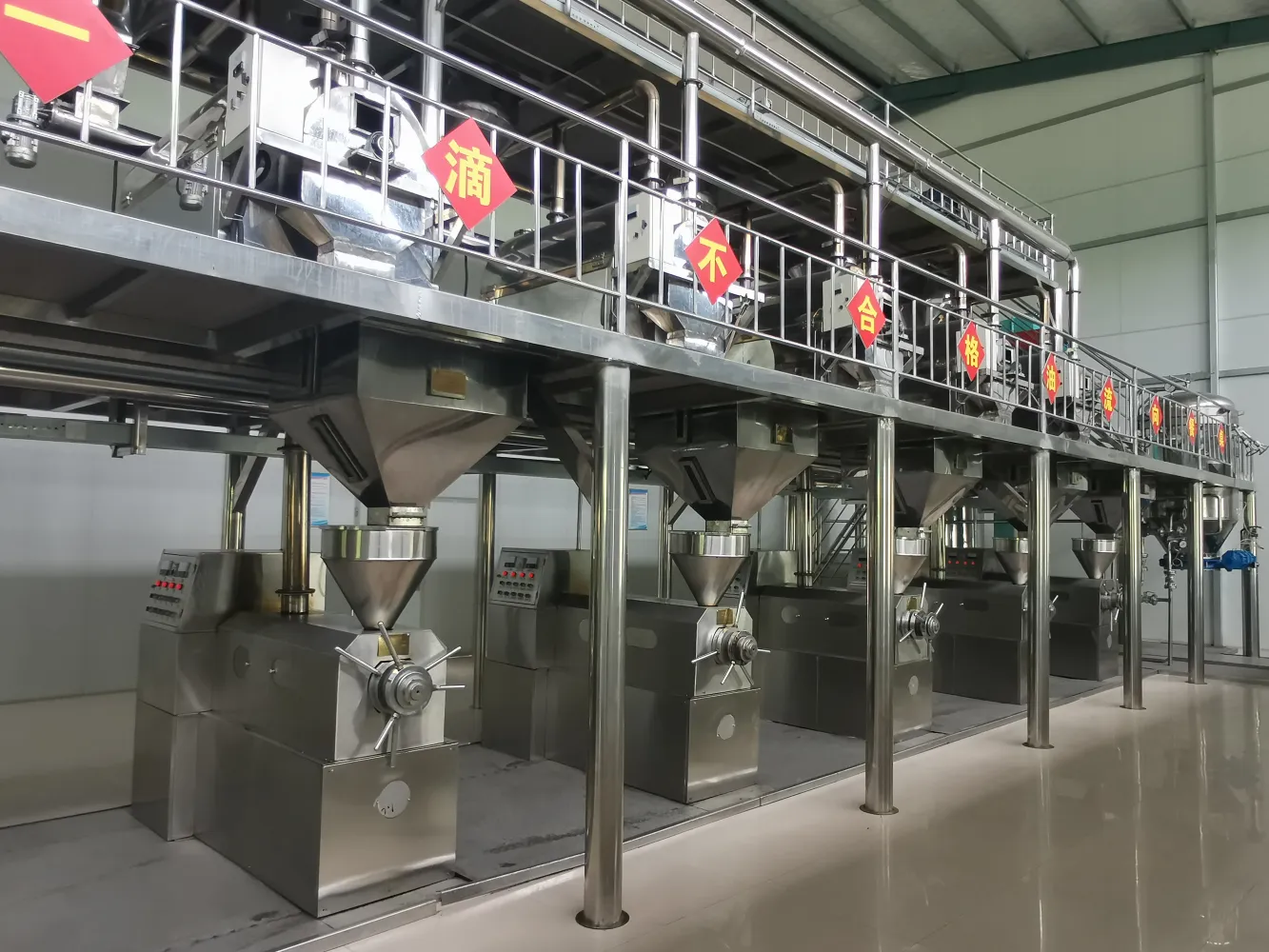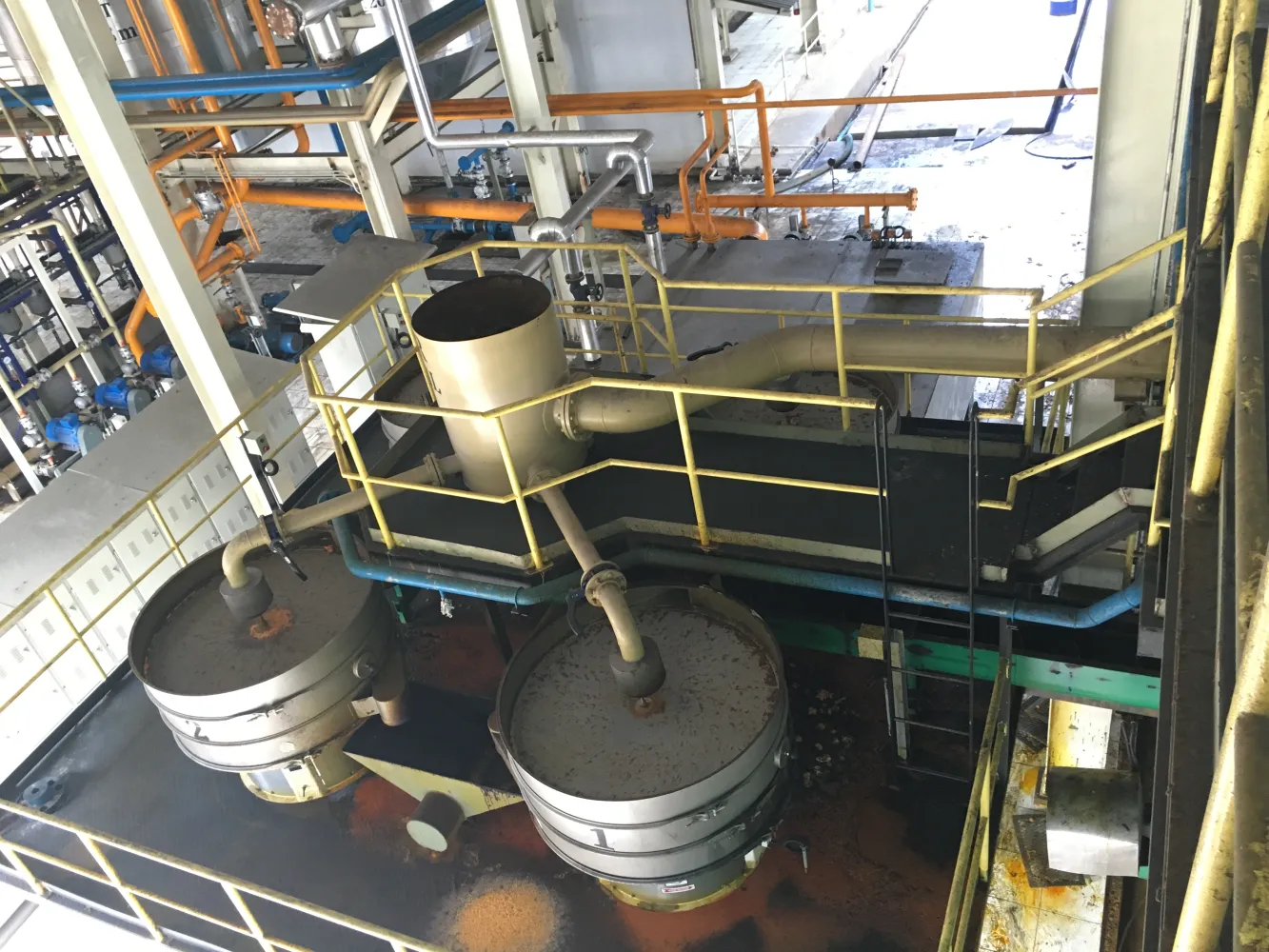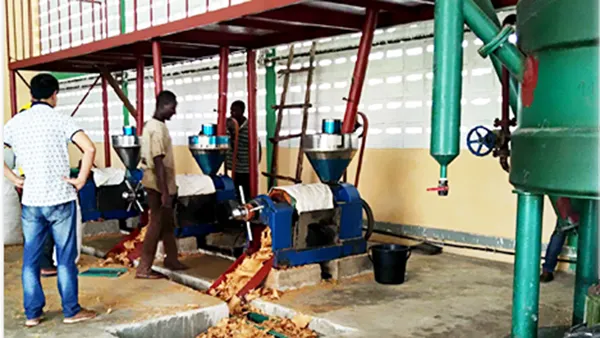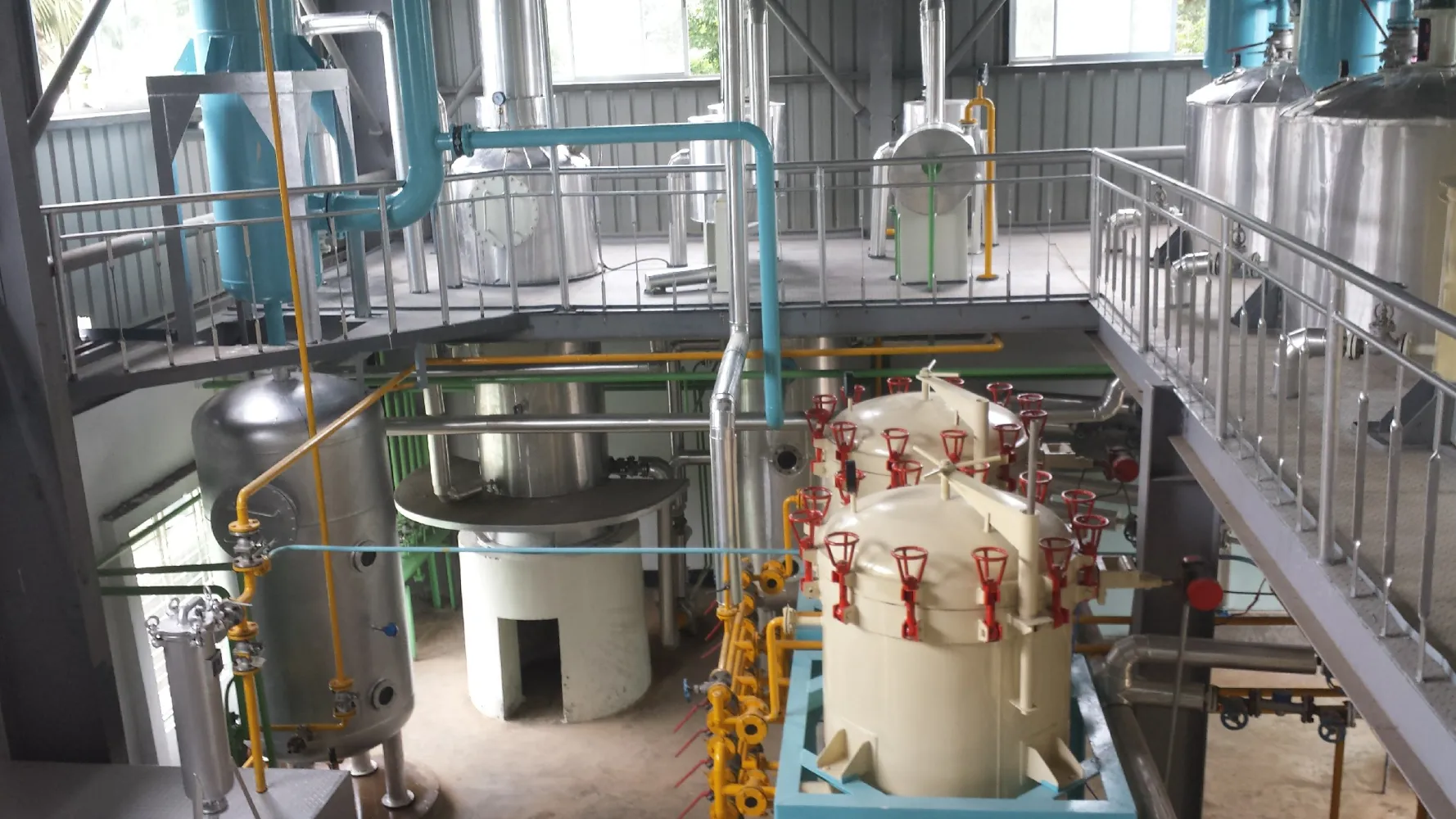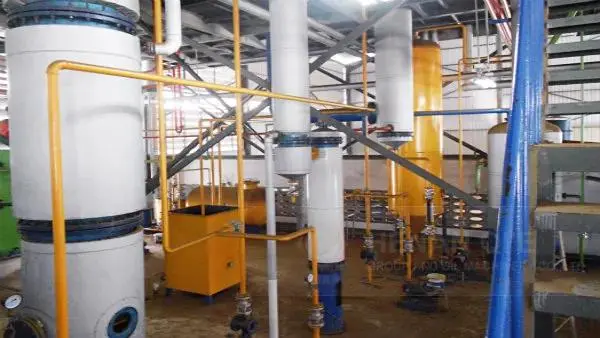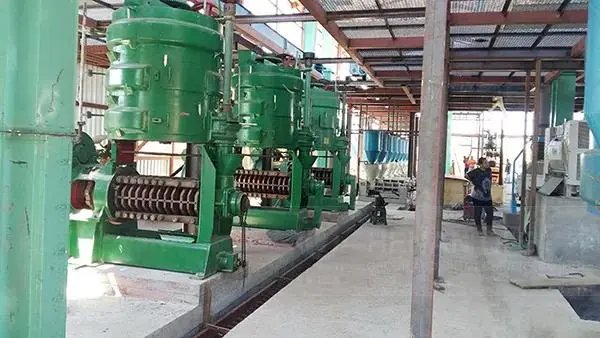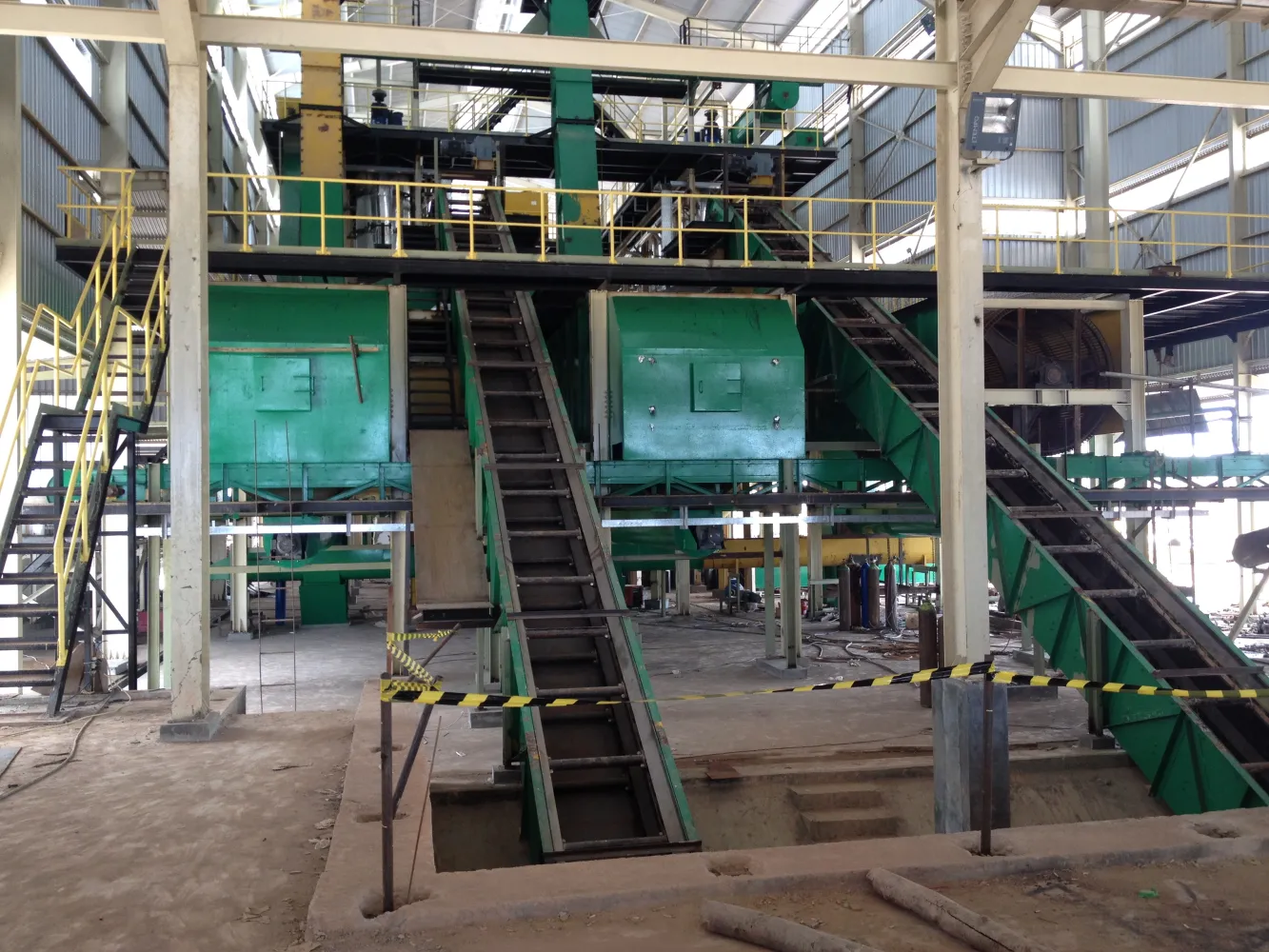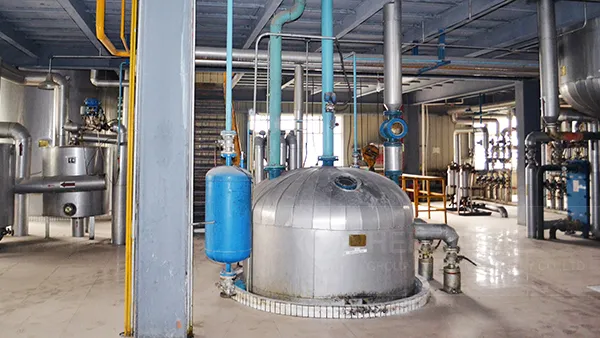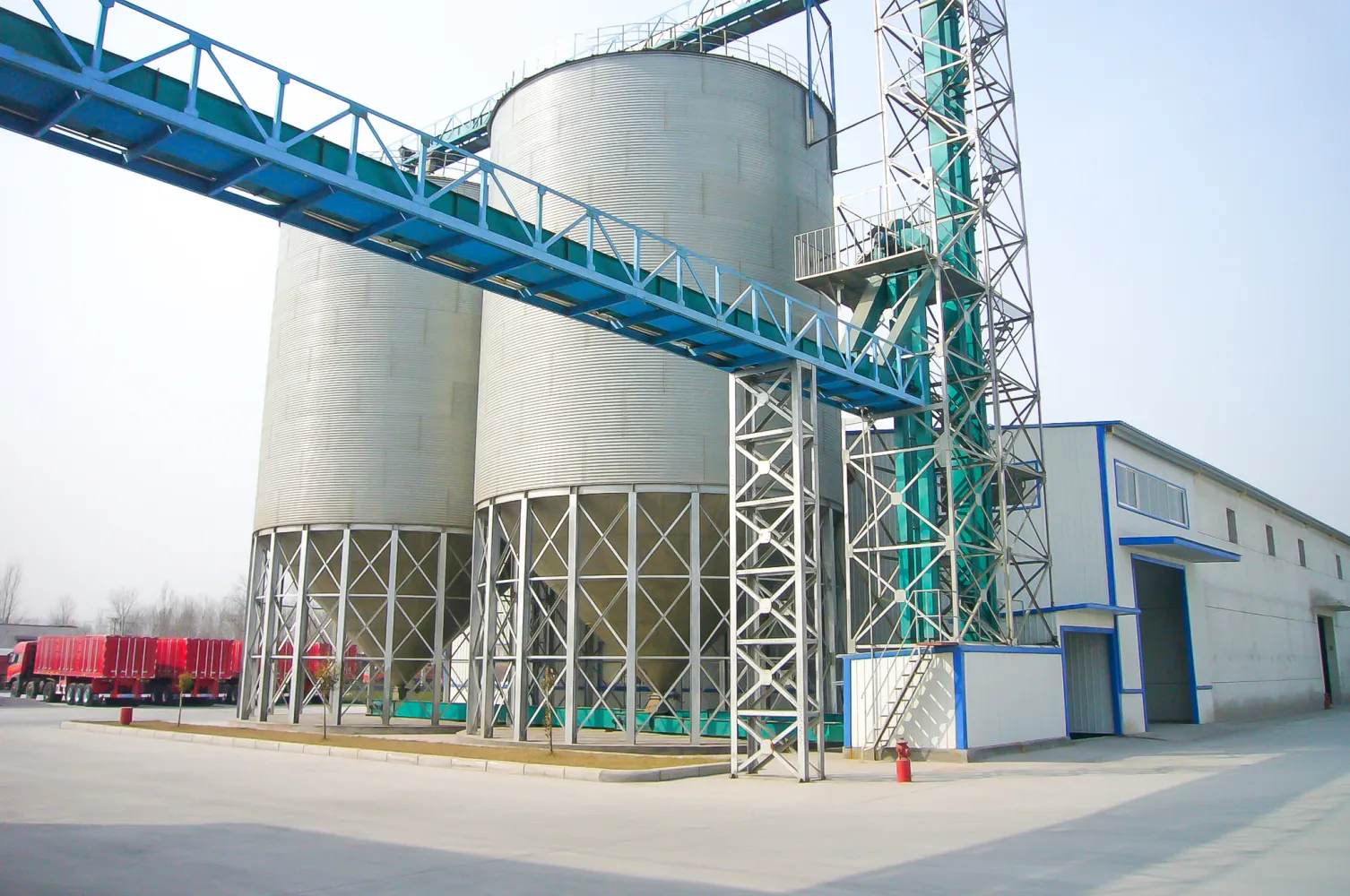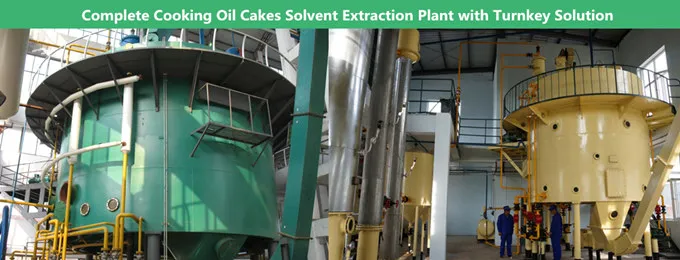
In the competitive landscape of edible oil processing, where every percentage point of efficiency directly impacts profitability, the continuous solvent extraction plant stands as the heart of modern oil mills. Industry data shows that unscheduled downtime in these critical systems can cost processors up to $15,000 per hour in lost production and potential product quality issues. This comprehensive guide explores the maintenance strategies, troubleshooting protocols, and operational best practices that separate industry leaders from the competition.
Preventive maintenance isn't merely a recommended practice—it's an essential investment that pays dividends through enhanced reliability and extended equipment lifespan. A well-maintained continuous solvent extraction system typically achieves 96-98% uptime, compared to 85-88% for systems operating on reactive maintenance schedules alone.
Industry Insight:
According to the International Association of Edible Oil Processors, plants implementing structured preventive maintenance programs report 37% fewer major equipment failures and 22% lower maintenance costs compared to reactive maintenance approaches.
Proper lubrication forms the foundation of mechanical reliability in continuous extraction systems. Gearboxes, bearings, and drive components require precise lubricant selection and application schedules:
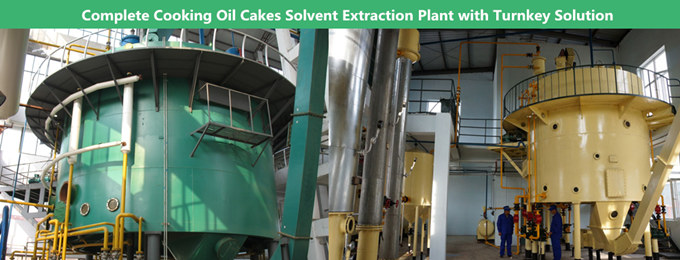
Residue buildup and contamination represent significant threats to extraction efficiency and product quality. Implementing systematic cleaning protocols reduces the risk of unexpected downtime:
Daily cleaning tasks should include screen mesh inspection and cleaning, visual inspection of solvent distribution nozzles, and verification of proper steam trap operation. Weekly maintenance should focus on complete solvent circuit flushing, while quarterly deep cleaning should address heat exchanger tube bundles and column internals.
Even with meticulous maintenance, occasional issues arise. Understanding typical failure patterns enables rapid response and minimizes downtime. The most common failure modes include extraction efficiency decline, solvent leakage, and mechanical component wear.
A mid-sized soybean processor in Iowa experienced a 7% drop in oil yield over a two-week period, threatening their profit margins. Initial assumptions pointed to solvent quality issues, but systematic troubleshooting revealed the root cause:
The plant's DTDC (Desolventizer-Toaster-Dryer-Cooler) system air flow had gradually diminished due to filter media clogging, resulting in incomplete desolventization and increased solvent carryover. This case demonstrates how seemingly unrelated systems can impact overall extraction efficiency.
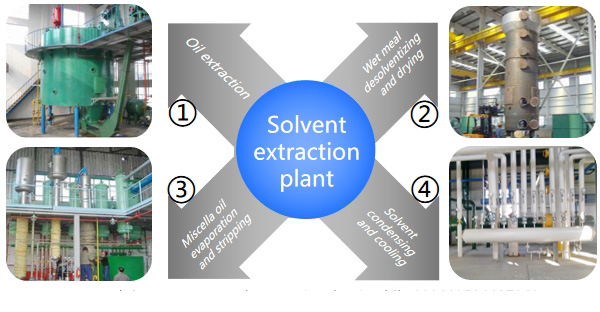
Solvent leakage presents both safety hazards and economic losses, with even minor leaks potentially costing thousands in lost solvent annually. Modern systems incorporate multiple detection mechanisms:
Standardization of operational procedures reduces variability and creates a foundation for consistent performance. Well-documented SOPs should address startup sequences, shutdown procedures, normal operating parameters, and emergency protocols.
Operator training programs should include both classroom instruction and hands-on experience with emphasis on recognizing early warning signs of potential issues. Studies show that operators trained in predictive maintenance techniques can identify 80% of potential failures before they result in unplanned downtime.
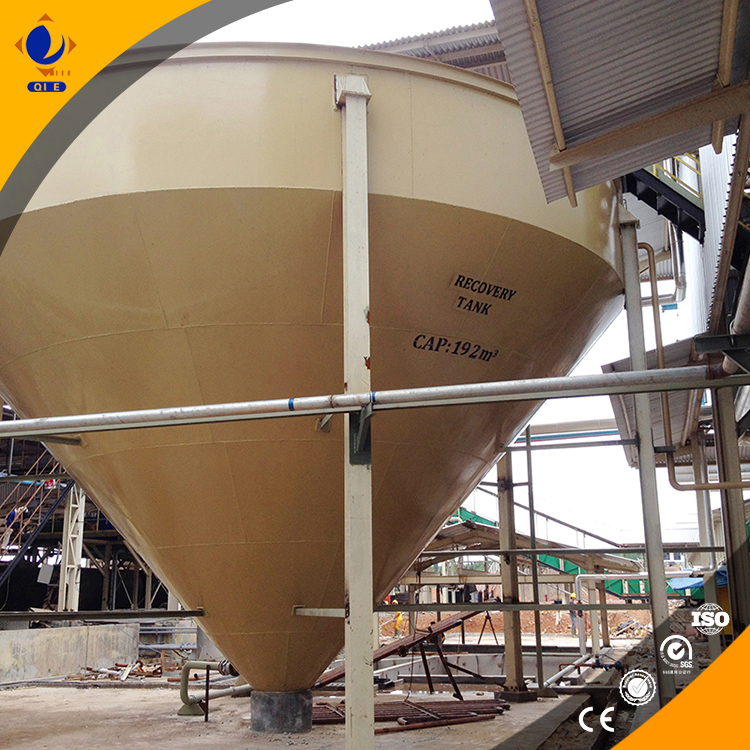
Energy consumption represents a significant portion of operating costs in solvent extraction plants, particularly in the desolventizing and solvent recovery stages. Implementing energy-saving measures can reduce overall plant energy usage by 15-20%:
Discover how advanced continuous solvent extraction technology can reduce downtime, improve yield, and enhance safety in your processing facility.
Explore Efficiency SolutionsIn today's competitive edible oil market, operational excellence in solvent extraction directly translates to market advantage. By implementing the maintenance strategies, troubleshooting protocols, and efficiency measures outlined in this guide, processors can achieve the reliable performance and cost-effectiveness required to thrive in the global marketplace. The most successful operations view maintenance not as a necessary expense, but as a strategic investment in long-term profitability and sustainability.