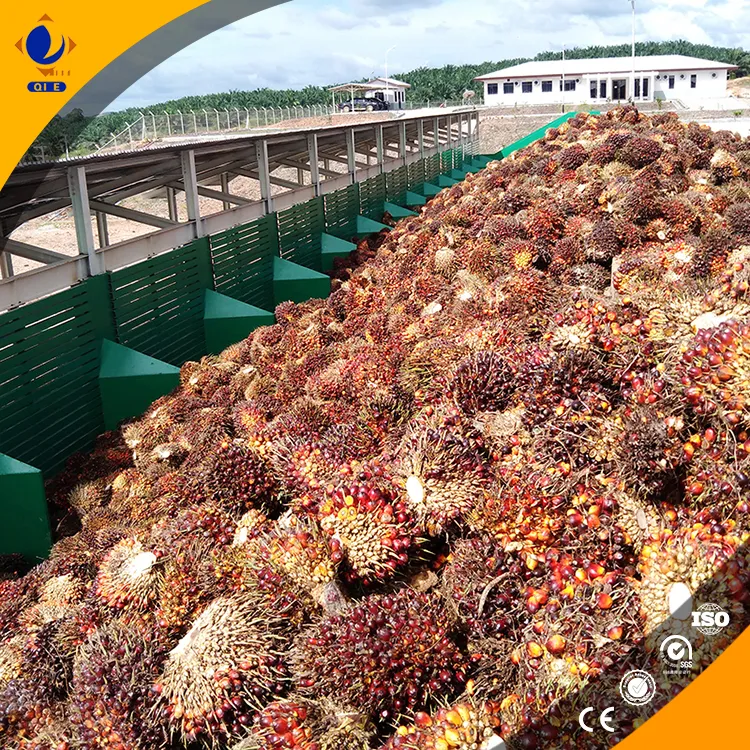
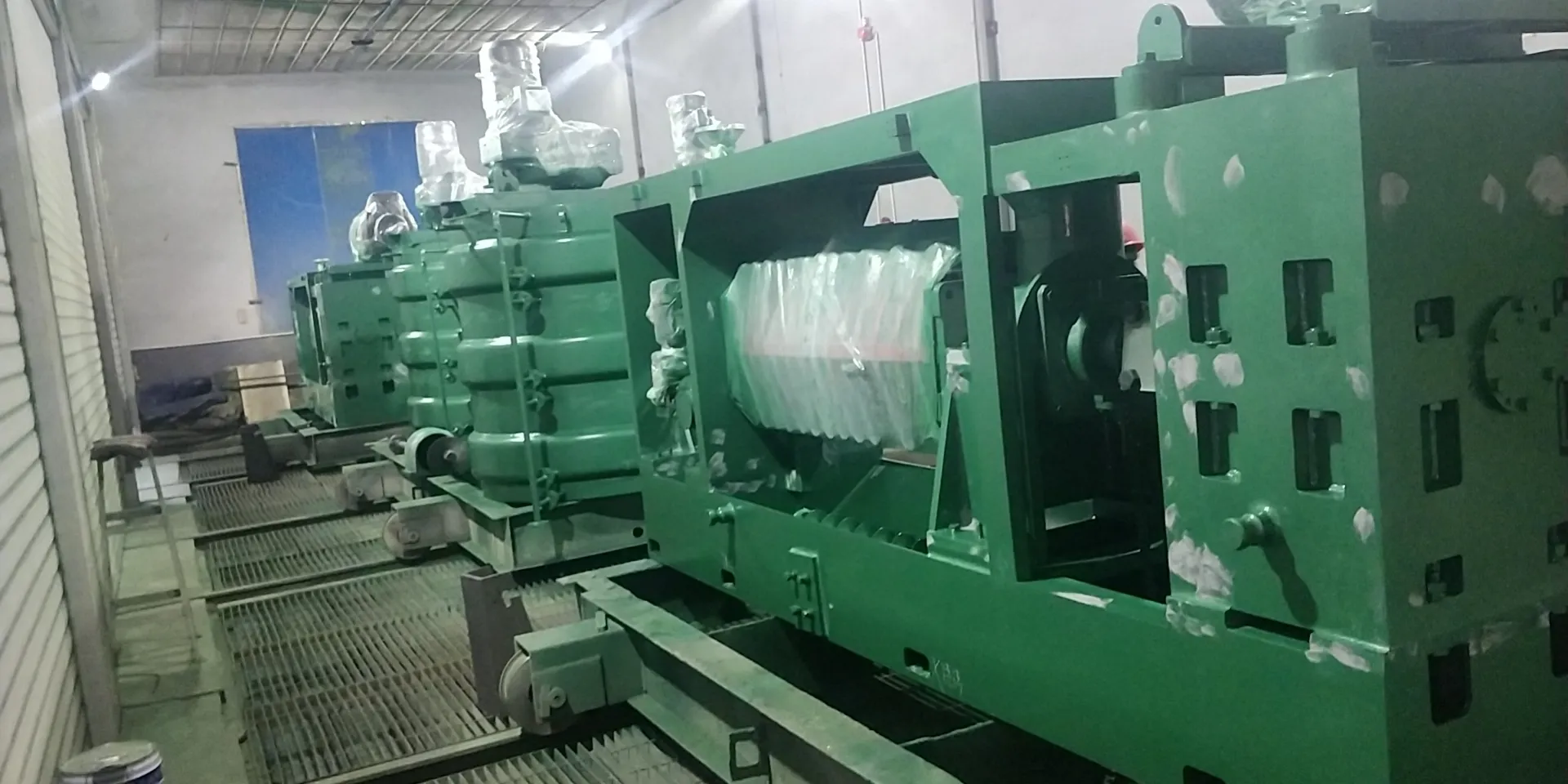
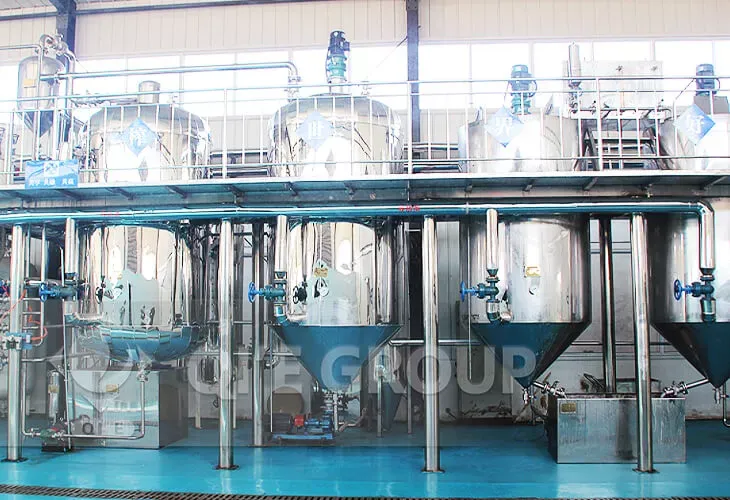
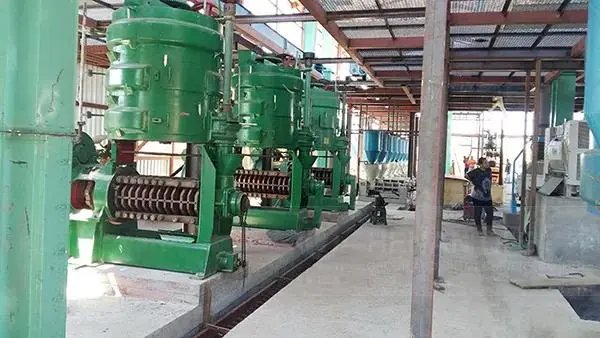
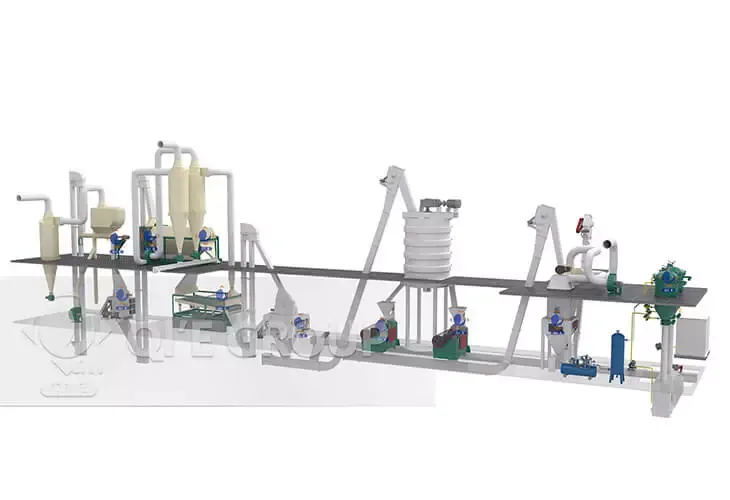
The international oilseed multi-functional processing line is a sophisticated system designed for efficient processing of various oilseeds such as soybeans, peanuts, and rapeseeds. The core process flow typically includes cleaning, conditioning, crushing, and extraction.
Cleaning is the initial step to remove impurities from the oilseeds. It can improve the quality of the final products and reduce equipment wear. For example, using a vibrating screen can remove large debris, and a magnetic separator can eliminate iron particles. In a well - designed cleaning process, it can remove up to 95% of the impurities.
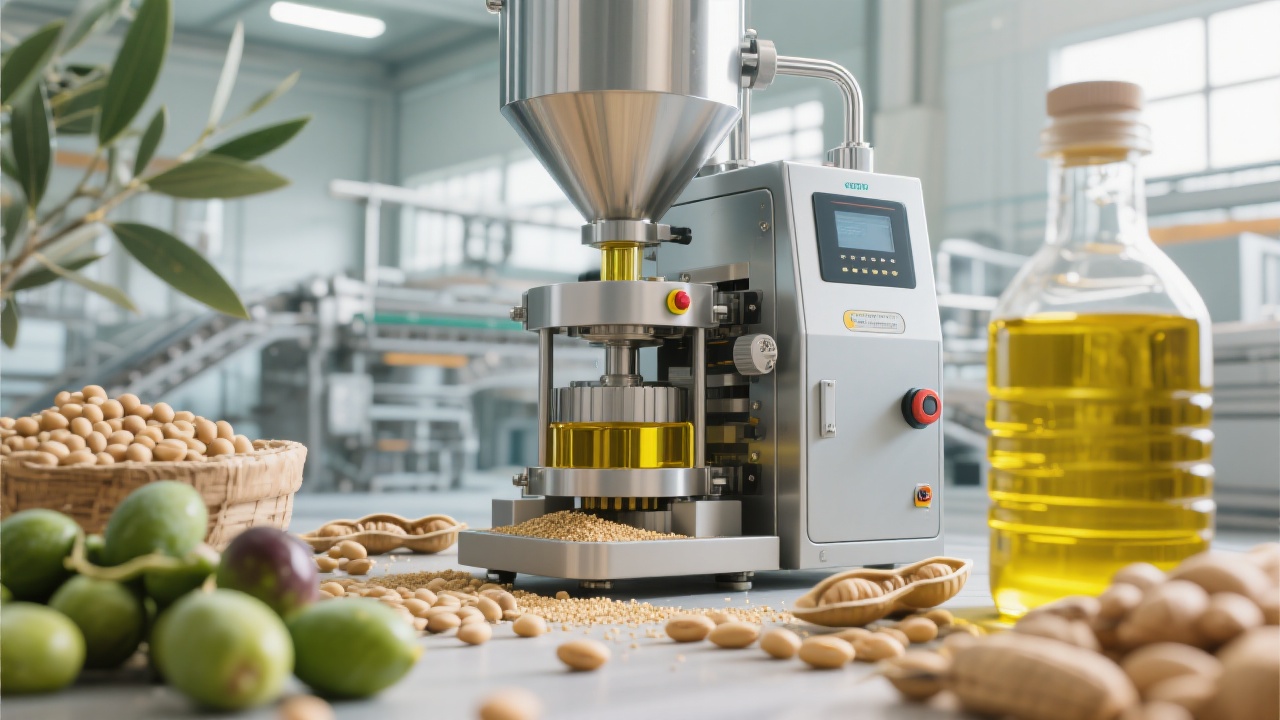
Conditioning is crucial for adjusting the moisture and temperature of the oilseeds to make them more suitable for subsequent processing. For soybeans, the optimal moisture content for crushing is around 10 - 12%. By using a conditioner, the moisture and temperature can be precisely controlled, which can increase the oil yield by about 2 - 3%.
Crushing is the process of breaking the oilseeds into smaller pieces to expose the oil cells. Different types of crushers are used according to the characteristics of the oilseeds. After crushing, the oil - containing materials are in a more favorable state for extraction.
Extraction is the final step to separate the oil from the crushed materials. Solvent extraction is a common method, which can achieve an oil extraction rate of over 90% for most oilseeds.
Automatic adjustment technology plays a vital role in the international oilseed multi - functional processing line. It can be applied in various aspects such as flow control, temperature regulation, and pressure adjustment.
In the cleaning process, automatic flow control systems can adjust the feed rate of the oilseeds according to the impurity level, ensuring the efficiency of the cleaning equipment. For example, if the impurity level is high, the feed rate will be reduced to ensure thorough cleaning.
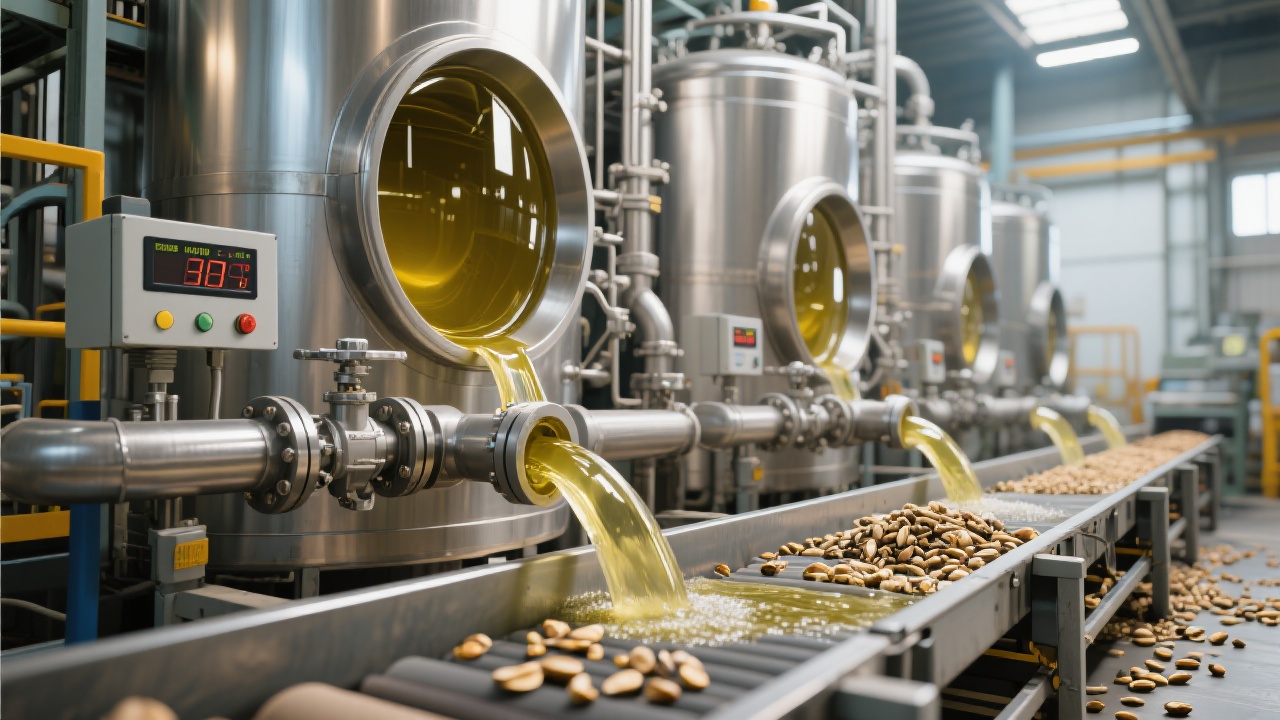
In the conditioning process, temperature and moisture sensors are used to monitor the parameters in real - time. The automatic adjustment system can then adjust the heating and humidifying devices to maintain the optimal conditions. This can save energy by up to 15% compared to manual control.
In the extraction process, pressure sensors are used to ensure the stability of the extraction process. The automatic adjustment system can adjust the pressure according to the type of oilseeds and the extraction conditions, improving the oil extraction efficiency.
Proper installation and commissioning are essential for the normal operation of the oilseed processing equipment. Before installation, the foundation should be carefully prepared to ensure the stability of the equipment. The alignment of the equipment components is also crucial, with an allowable deviation of no more than ±0.5mm.
During commissioning, a series of tests should be carried out, including no - load test and load test. The no - load test is used to check the mechanical operation of the equipment, such as the rotation of motors and the movement of conveyors. The load test is to verify the performance of the equipment under actual working conditions. It usually takes about 2 - 3 days for a comprehensive commissioning process.
Regular maintenance is the key to ensuring the long - term stable operation of the oilseed processing equipment. The maintenance work mainly includes lubrication, cleaning, and inspection. For example, the lubrication of bearings should be carried out every 500 - 800 working hours to reduce friction and wear.
Common faults in the oilseed processing equipment include blockage, leakage, and abnormal noise. For blockage, the equipment should be shut down immediately, and the blocked parts should be cleaned. For leakage, the sealing parts should be checked and replaced if necessary. When abnormal noise occurs, it may indicate mechanical problems, and professional technicians should be invited for inspection and repair.
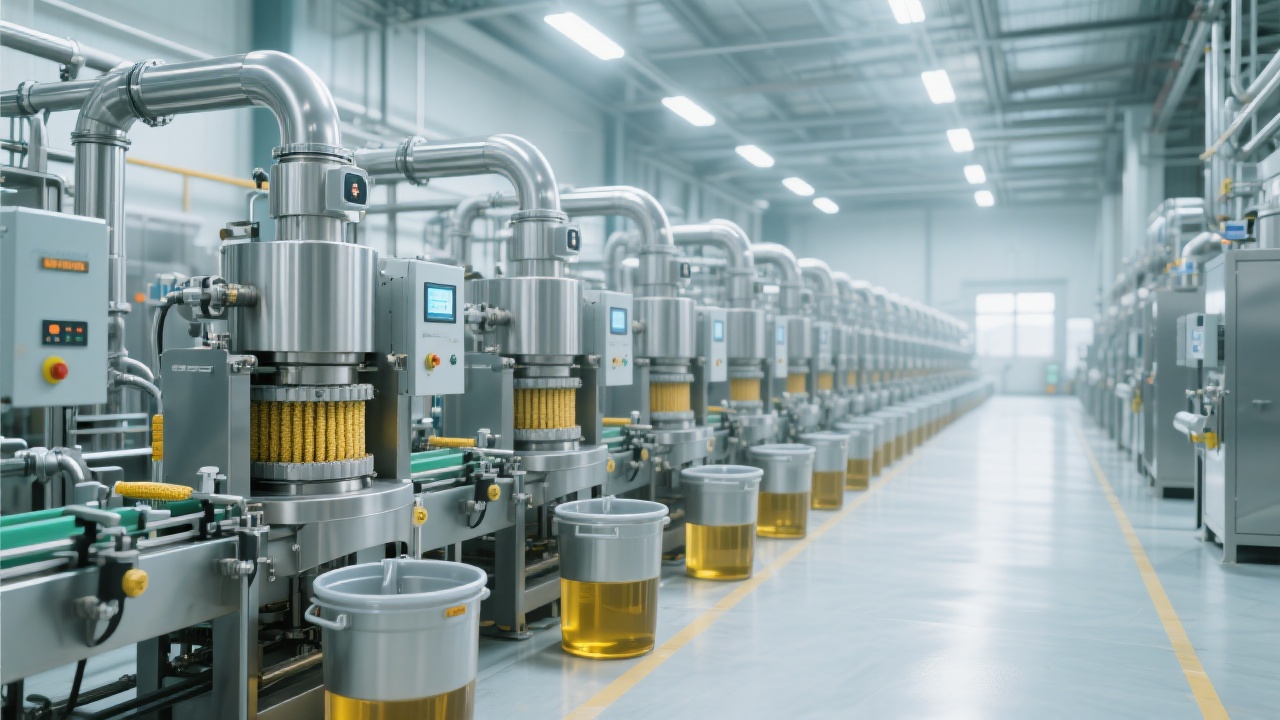
Let's take a soybean processing plant as an example. After optimizing the equipment management and applying automatic adjustment technology, the plant increased its daily production capacity from 500 tons to 600 tons, with an increase in oil yield from 18% to 20%. At the same time, the energy consumption per ton of processed soybeans decreased by 12%, achieving significant economic benefits.
In modern oilseed processing, green environmental protection concepts are highly emphasized. The by - product, soybean meal, has high utilization value. It can be used as high - quality feed for livestock and poultry, realizing resource recycling. Moreover, the waste water and exhaust gas generated in the processing process can be treated through advanced treatment technologies to meet environmental protection standards.
The international oilseed multi - functional processing line has strong market adaptability. With the increasing demand for high - quality edible oils and feed in the international market, the equipment can be adjusted according to different market requirements. In addition, with the development of technology, the equipment has great upgrade potential, such as the application of more intelligent control systems and more efficient extraction technologies.
Explore the advanced international oilseed processing technology and equipment now! Click here to learn more