Best Soybean Oil Press Machine: How to Choose for High Yield and Quality
27 02,2026
Tutorial Guide
Selecting the best soybean oil press machine depends on your production scale, desired oil yield, and the quality standards you need. This guide highlights the most important factors to compare—press type (cold vs. hot pressing), capacity, motor power, temperature control, filtration options, and ease of cleaning—so you can choose a reliable machine that produces stable, high-quality soybean oil for home, small business, or industrial use.
What Is the Best Oil Press Machine for Soybean?
Soybean oil is one of the world’s most produced edible oils, but “best” soybean oil press machine depends on what you’re optimizing for: higher yield, lower operating cost, food-grade compliance, easier maintenance, or flexible output for different markets. In real factories, the right choice usually comes down to your capacity target (kg/h), your oil yield expectations, and whether you plan to run mechanical pressing only or a pressing + solvent extraction process.
Quick Reality Check: Soybean Is Not Like Peanut or Sesame
Soybeans typically contain about 18–20% oil (varies by variety and season). That’s lower than rapeseed/canola (~40%) or sunflower (~40–45%). So if someone tells you a single small “cold press” will deliver extremely high soybean oil output without process controls, be cautious.
In practice, soybean oil processing often benefits from conditioning (cleaning, cracking, flaking, cooking/temperature control) before pressing. Done well, it improves press stability, reduces residual oil in cake, and can help you reach consistent quality.
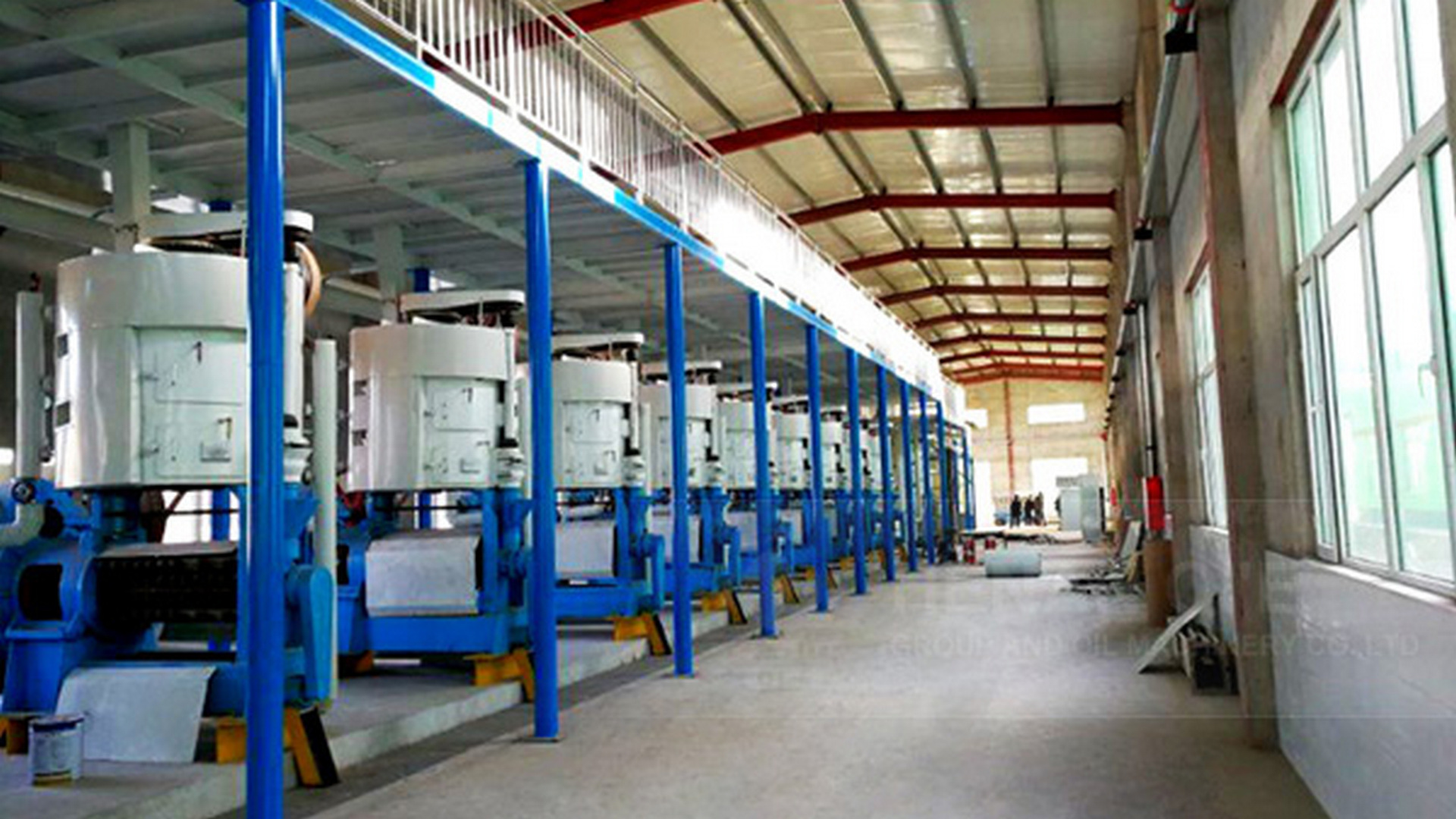
The 3 “Best” Soybean Oil Press Machine Types (and Who Each One Fits)
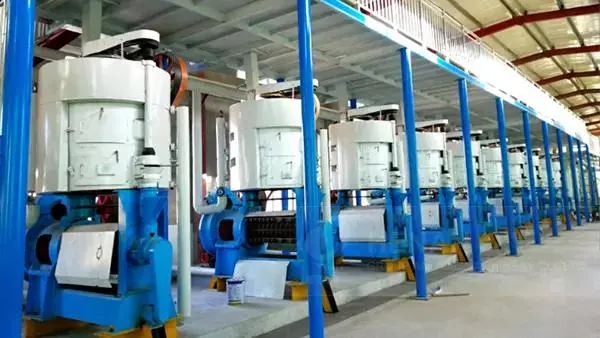
1) Screw Oil Expeller (Single Press) — Best for Small-to-Mid Production
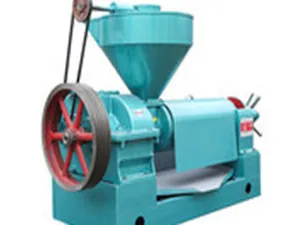
A screw oil expeller is the most common answer when buyers ask for a “soybean oil press machine.” It’s compact, scalable, and relatively easy to operate. For edible oil startups, regional brands, and small industrial plants, this is usually the best balance of footprint and output.
- Typical capacity range: ~30 kg/h to 500+ kg/h (model-dependent)
- Typical residual oil in cake: often ~6–10% without advanced pre-treatment; can improve with better conditioning
- Best for: mechanical pressing lines, flexible product changeovers, simpler maintenance
- Watch-outs: soybean needs stable temperature control to avoid poor pressing and excessive fines
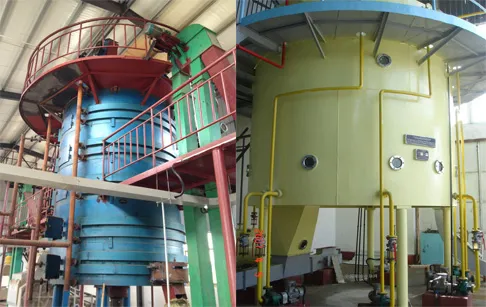
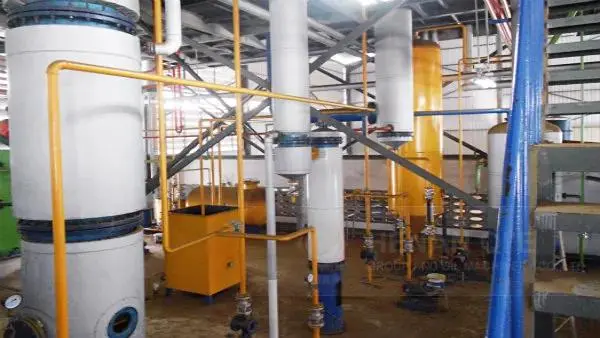
2) Pre-Press + Solvent Extraction — Best for Maximum Yield at Industrial Scale
If your KPI is lowest cost per ton and highest oil recovery, the most profitable approach for soybean at scale is often pre-pressing (to remove a portion of oil) followed by solvent extraction. This is how many high-volume soybean plants operate.
- Typical capacity range: 10–1,000+ tons/day (project-dependent)
- Typical residual oil after extraction: can reach ~1% or lower with optimized systems
- Best for: large refineries, commodity-grade output, consistent economics at high throughput
- Watch-outs: higher compliance requirements, safety systems, and process expertise
3) Cold Press (Low-Temp Marketing) — Best for Specialty Positioning, Not Highest Yield
“Cold pressed soybean oil” is a niche story in many markets because soybean oil is often refined. Cold pressing can be used if your brand strategy is built around minimal processing, and you accept that the yield may be lower than hot/conditioned pressing.
- Typical capacity range: smaller to mid-scale setups
- Best for: premium local retail, farm-to-bottle narratives, short supply chains
- Watch-outs: soybean can be harder to cold press efficiently; filtration and shelf-life control matter
How to Choose the Best Soybean Oil Press Machine (Decision Checklist)
A) Capacity & Runtime: Don’t Buy by “Model Name,” Buy by Daily Output
A common sourcing mistake is buying a machine that can technically hit a peak capacity but can’t sustain it all day. For a realistic estimate, plan around 70–85% utilization after warm-up, cleaning, and routine stops.
| Target Output |
Recommended Setup |
Operational Note |
| 0.2–1 ton/day |
Single screw press + basic filter |
Focus on stable feeding & temperature |
| 1–10 tons/day |
Industrial expeller + conditioner + multi-stage filtration |
Cake value & downtime become major profit drivers |
| 10+ tons/day |
Pre-press line + solvent extraction integration |
Engineering, compliance, and safety systems are critical |
B) Yield Targets: Know What’s Realistic for Soybean
With soybeans at ~18–20% oil content, your process design matters as much as the press itself. As a reference point, many mechanical pressing lines aim for ~80–90% oil recovery of available oil (depending on conditioning and press design). Industrial extraction systems can push recovery higher.
If you’re comparing suppliers, ask them to state expected residual oil in cake (with test conditions), not just “high yield.”
C) Food-Grade Build: The Quiet Difference Buyers Notice Later
For edible soybean oil, a “best” press is also one that survives audits and daily cleaning. Look for stainless contact parts where appropriate, stable welding, reasonable access to the press cage, and a filtration system sized for soybean’s fine particles.
- Smooth product-contact surfaces and easy disassembly points
- Reliable bearings and seals (heat + long runtime is the real stress test)
- Motor power margin for high-load soybean pressing
Recommended Soybean Processing Flow (Practical, Press-Friendly)
If your goal is a stable operation with fewer surprises, a realistic flow is:
Cleaning & destoning → cracking → flaking → conditioning/cooking (commonly around 60–90°C, depending on target oil profile) → screw pressing → oil filtration → storage.
Many buyers skip pre-treatment to save upfront cost, then spend more on wear parts, inconsistent cake, and clogged filters. If you want “best,” prioritize a system that keeps output steady on your busiest day, not just in a demo video.
Key Questions to Ask Before You Buy (Use These in RFQs)
- What soybean moisture range and impurity level is the press designed for?
- What is the expected residual oil in cake with soybean, and under what test conditions?
- Which parts are consumables (screw, press ring/cage, bars), and what are typical replacement intervals?
- What filtration method is included (plate filter, leaf filter, centrifugal), and what is the filtration throughput?
- What controls are included for temperature and feeding stability?
- What documentation is available for food safety and electrical compliance for my market?
The Best Machine Is the One That Matches Your Business Model
If you’re selling bulk crude soybean oil, you’ll likely care most about throughput, uptime, and extraction efficiency. If you’re building a local edible oil brand, you’ll care more about clean design, stable flavor, and consistent filtration. And if your buyers are industrial users, your strongest differentiator may be repeatability: the same cake quality, the same oil clarity, the same operating rhythm every week.
That’s why “best soybean oil press machine” isn’t a single model—it’s a matching exercise between your raw material, your capacity plan, and your market promise.
Get a Soybean Oil Press Recommendation Based on Your Target Output
Share your soybean type, expected tons/day, and whether you want mechanical pressing only or a full line. We’ll reply with a practical configuration, estimated oil recovery range, and a maintenance-friendly layout.
Request a Soybean Oil Press Machine Solution
Typical reply time: 24 hours on business days. Technical English support available.
Some plants fall in love with peak capacity numbers; the better approach is to choose equipment that stays calm under real soybean conditions—variable moisture, long runtime, and the kind of everyday operator habits you can’t control perfectly.





.jpg?x-oss-process=image/resize,h_1000,m_lfit/format,webp)