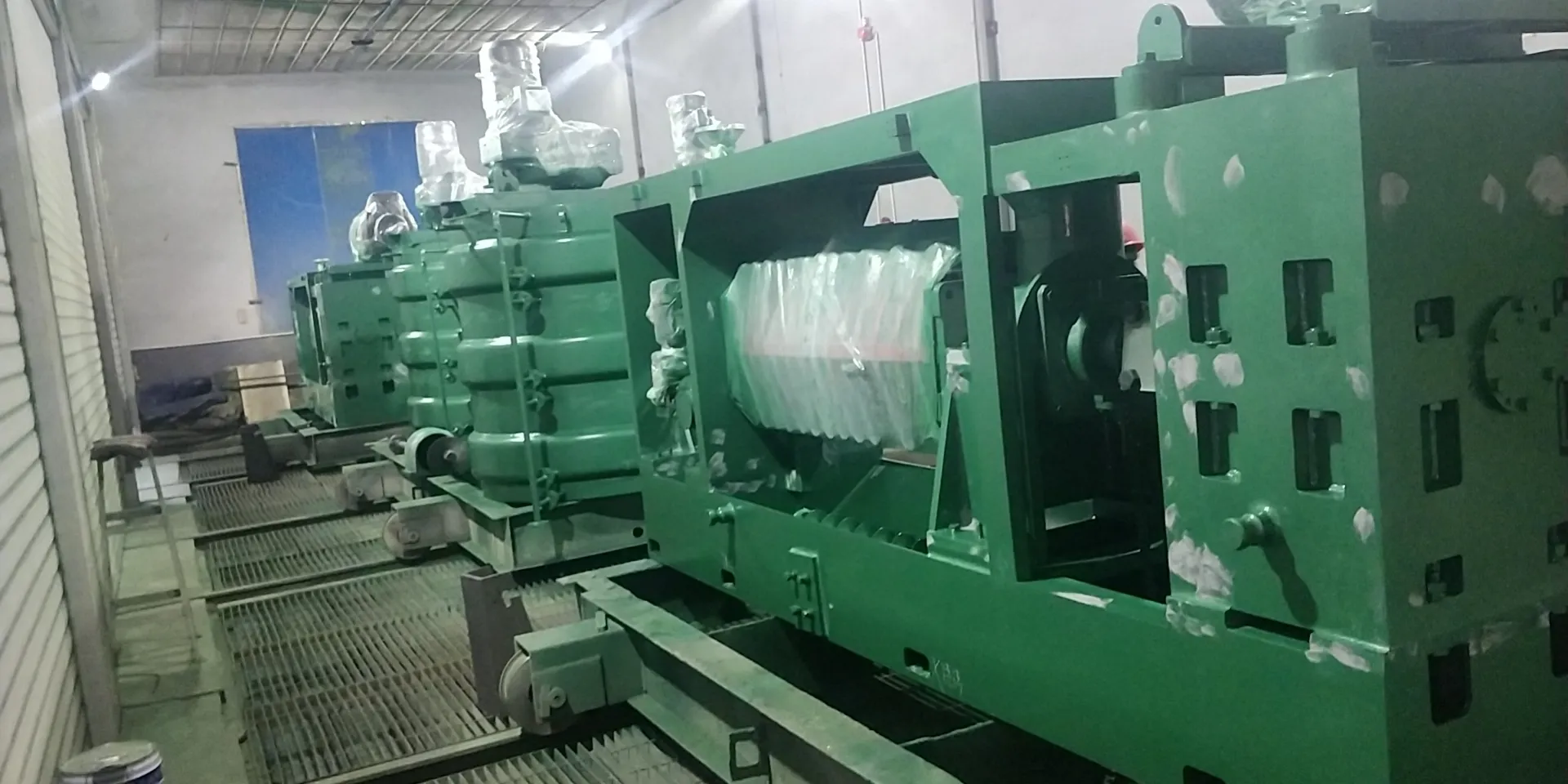
As we step into 2024, the soybean oil manufacturing machine market is undergoing significant changes driven by technological advancements, evolving consumer demands, and global trade dynamics. This article aims to provide a comprehensive analysis of the market trends, export opportunities, and effective marketing strategies for businesses and investors in this sector.

Based on in - depth data analysis and industry research, several key trends are shaping the 2024 soybean oil manufacturing machine market. One of the primary driving factors is the increasing demand for high - quality soybean oil worldwide. This has led to a growing need for more efficient and advanced manufacturing machines.
Technological innovation is another significant trend. Manufacturers are constantly developing new technologies to improve the performance of soybean oil manufacturing machines, such as enhanced extraction efficiency, reduced energy consumption, and better automation. For example, the integration of smart sensors and control systems in modern machines allows for real - time monitoring and adjustment of the production process.
There are various types of soybean oil manufacturing machines available in the market, each with its own advantages and disadvantages. Small - scale machines are suitable for small businesses or farms with limited production needs. They are relatively inexpensive and easy to operate, but their production capacity is limited.
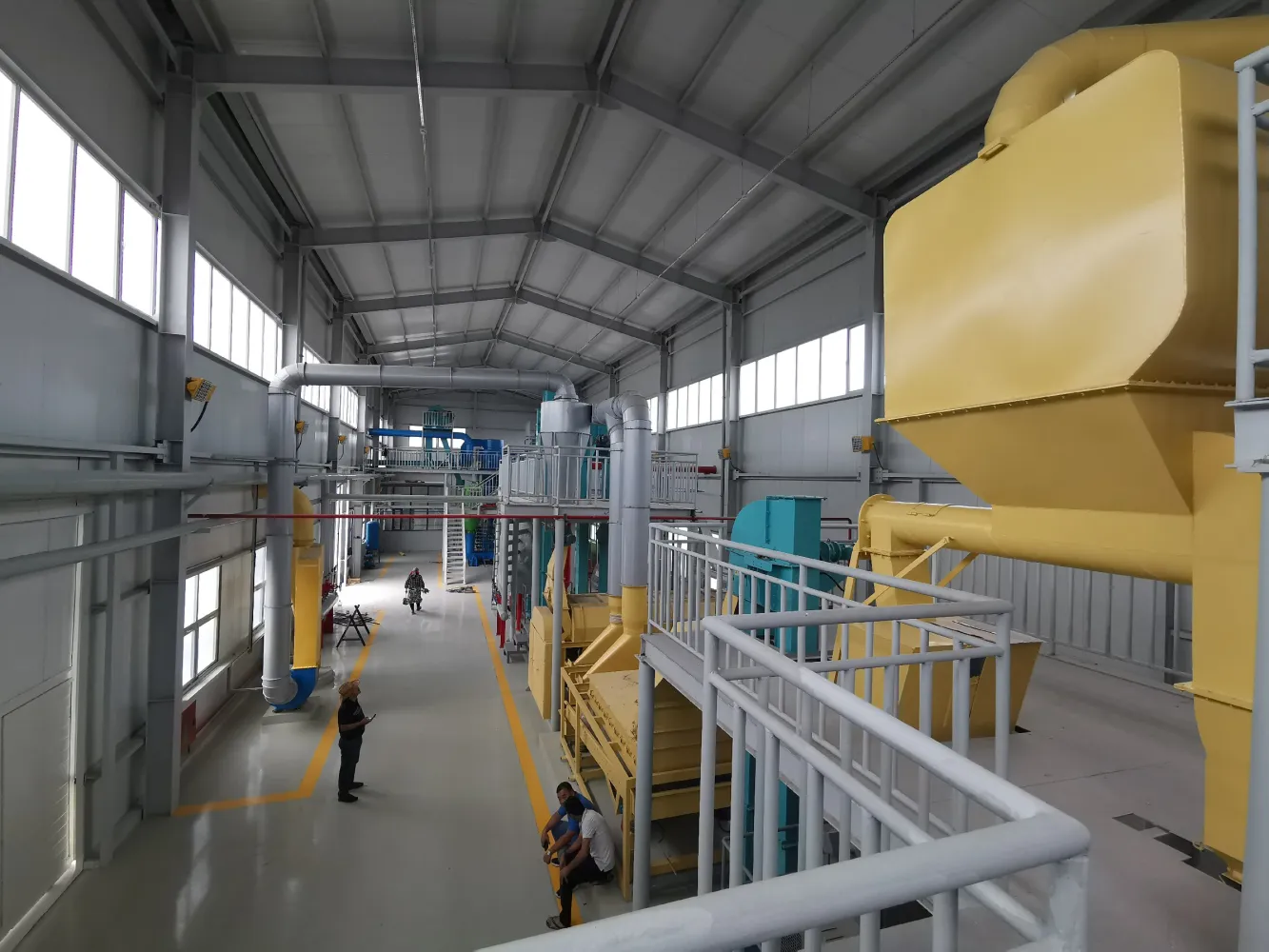
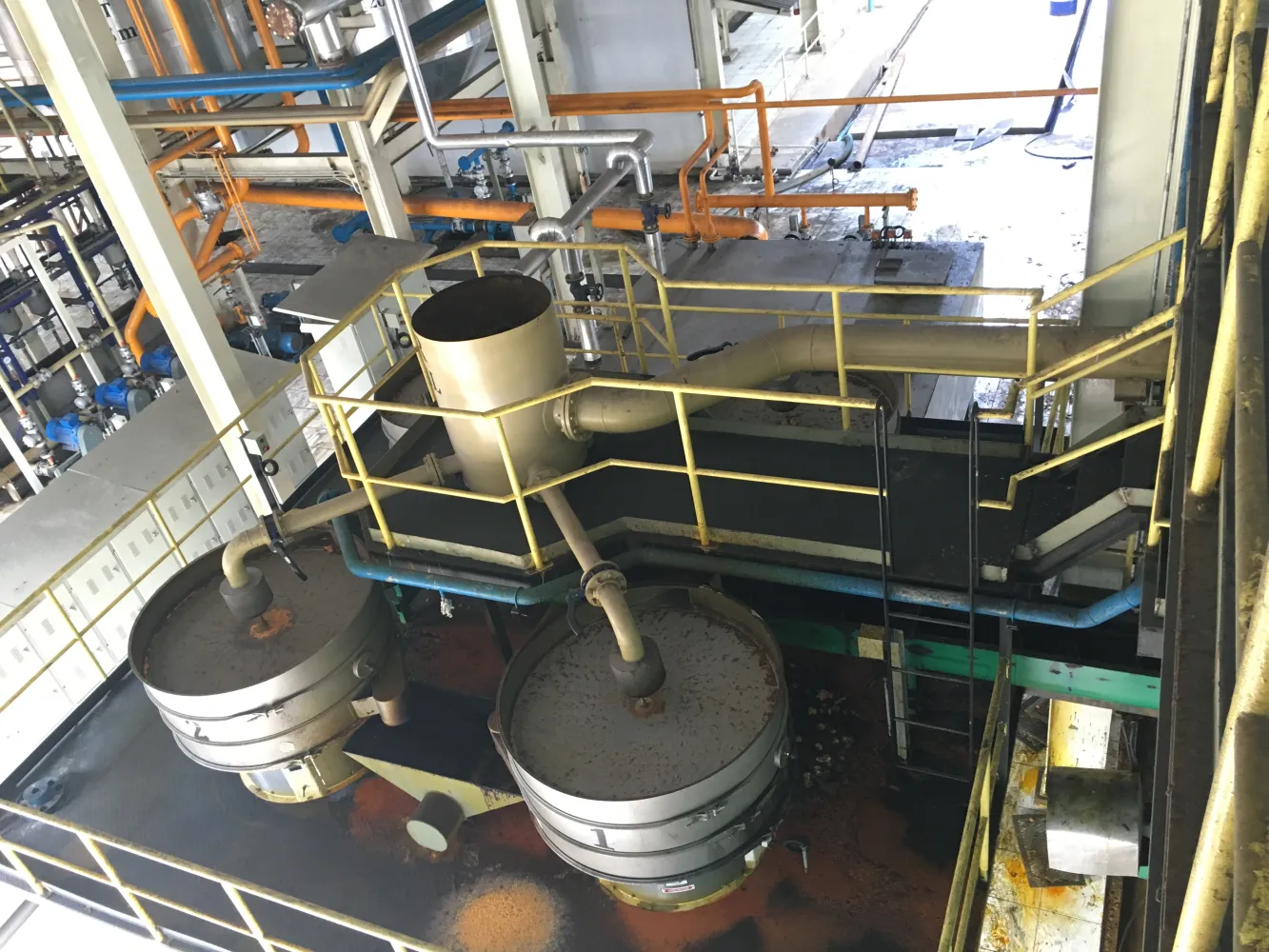
Integrated machines offer a comprehensive solution, combining multiple functions such as cleaning, crushing, and extraction. They are ideal for medium - sized enterprises looking for a one - stop production solution. Large - scale machines, on the other hand, are designed for large - scale industrial production, with high - volume output and advanced technology.
Helical and hydraulic machines also have their unique features. Helical machines are known for their high extraction efficiency, while hydraulic machines are more suitable for producing high - quality oil with less damage to the oil molecules. A comparison table of these machines' performance and application scenarios is shown below:
| Machine Type | Advantages | Disadvantages | Application Scenarios |
|---|---|---|---|
| Small - scale | Low cost, easy to operate | Limited production capacity | Small businesses, farms |
| Integrated | Comprehensive functions | Higher cost | Medium - sized enterprises |
| Large - scale | High - volume output | High investment, complex operation | Large - scale industrial production |
| Helical | High extraction efficiency | May cause some damage to oil molecules | General production |
| Hydraulic | High - quality oil production | Lower production speed | High - end oil production |
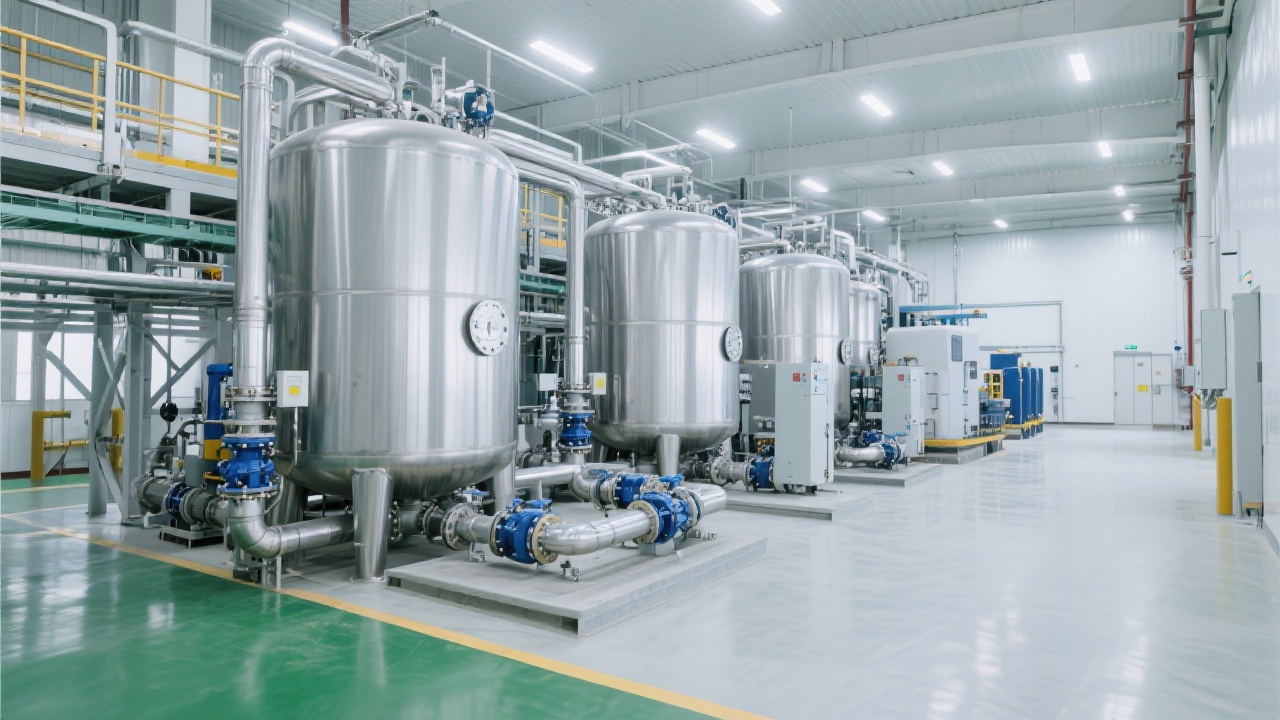
The export market for soybean oil manufacturing machines presents significant opportunities. There is a growing demand in emerging economies, where the food processing industry is expanding rapidly. Regions such as Southeast Asia, South America, and Africa are showing great potential. However, there are also challenges, including trade barriers, different regulatory requirements, and competition from local manufacturers.
The international trade environment has a profound impact on the industry. Fluctuations in exchange rates, trade policies, and geopolitical factors can all affect the export performance of soybean oil manufacturing machines. For example, changes in import tariffs can either stimulate or restrict the flow of these machines across borders.
In today's digital age, optimizing marketing channels is crucial for businesses in the soybean oil manufacturing machine industry. Websites play a vital role in brand promotion and customer conversion. A well - designed website can showcase the company's products, technologies, and services, and provide valuable information to potential customers.
Search engine optimization (SEO) is also essential to ensure that the website ranks high in search engine results, increasing its visibility and attracting more traffic. Social media platforms can be used to engage with customers, share industry news, and build brand awareness.
To enhance market share and competitiveness, businesses should adopt a combination of technological innovation and customer - centric marketing strategies. For example, companies can focus on developing customized solutions based on customers' specific needs. They can also invest in research and development to stay ahead of the technological curve.
Building strong relationships with customers through after - sales service, technical support, and continuous communication is also crucial. By providing high - quality products and excellent customer service, businesses can increase customer loyalty and generate repeat business.
Explore Our High - Performance Soybean Oil Manufacturing Machines and Seize Export Opportunities!


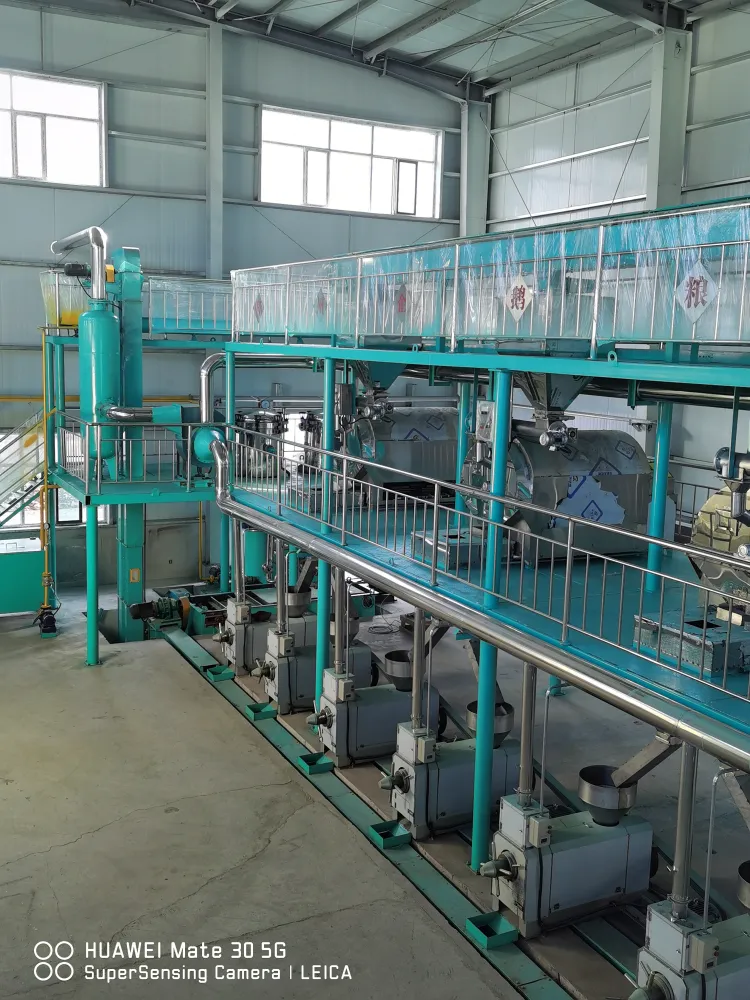





.jpg?x-oss-process=image/resize,h_1000,m_lfit/format,webp)